
Like in 1997, a Kabila
The road will undoubtedly be hard, but nothing can break the resolve of a people engaged in an existential struggle.
In 1997, after 32 years of Mobutu's brutal dictatorship, deliverance came from the east of the DRC (the Kivu), backed at the time by our Rwandan and Ugandan brothers.
It should be remembered that, during the colonial era, there was a Belgian Congo and a Rwanda-Urundi. Many Rwandan citizens helped the Union Minière, now Gécamines, to flourish, and it was once the jewel of the Congolese economy.
Several towns in the Kivu once belonged to what is now Rwanda. Sadly, political half-truths and manipulation prefer to peddle a more flattering tune. It is therefore no surprise that many localities, hills and rivers in North and South Kivu bear names derived from Kinyarwanda.
a decision owned
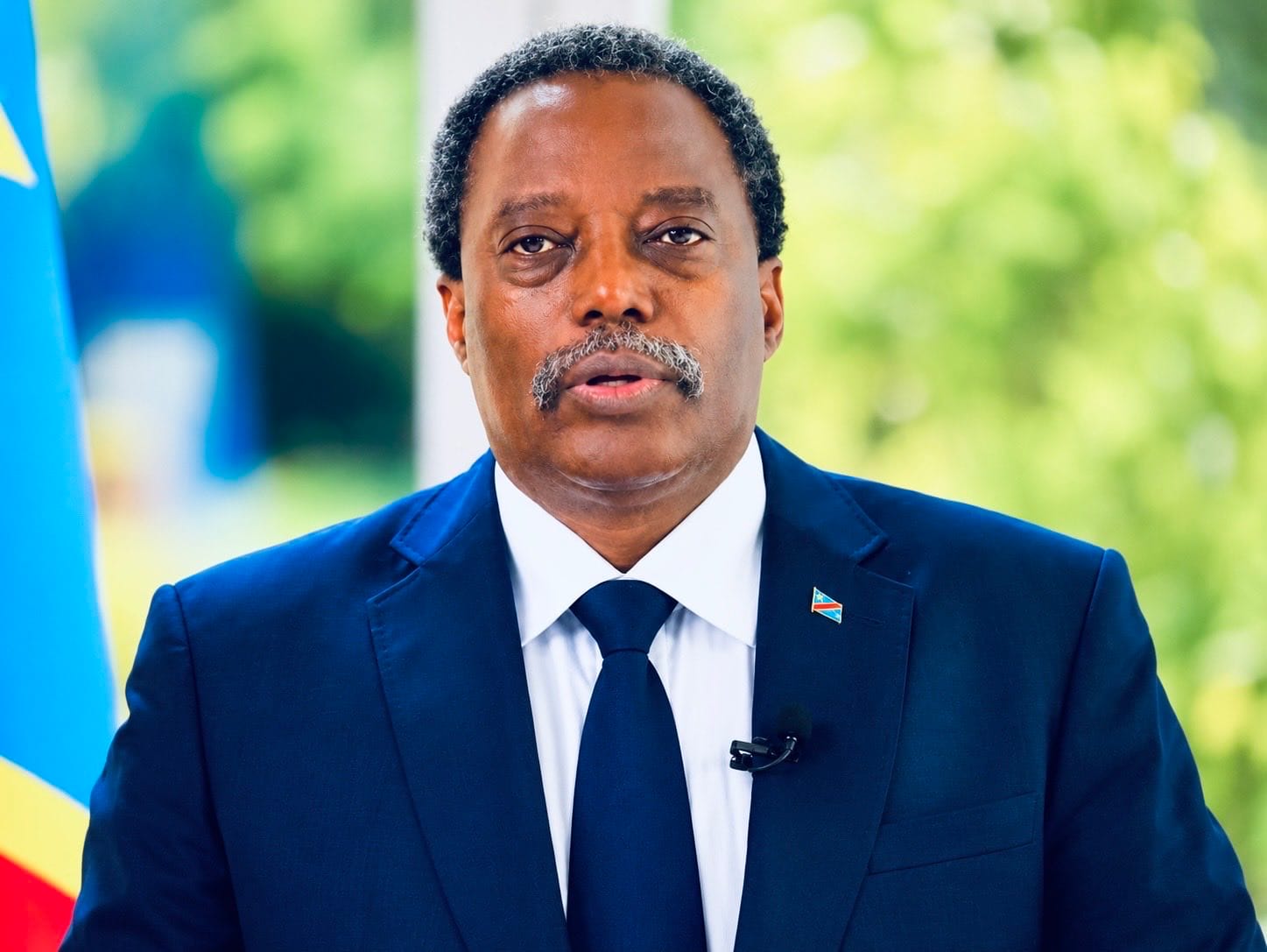
Former president Joseph Kabila Kabange has taken a historic decision for the salvation of the DRC. He fought alongside his father to free the country from Mobutu's clutches, then handed power peacefully to Félix Tshisekedi in January 2019, before the latter resorted to cunning and turned himself into a monstrous dictator.
In his address to the nation on Friday 9 October 2026, Mr Kabila painted a very bleak picture of the current situation in the Democratic Republic of Congo. He also promised to set out his position, and the action to be taken, in the coming hours and days.
Monday 12 October was a historic day. In Goma, the AFC/M23 gave way to a new political-military movement, the Front for the Refoundation of the Nation (FRN), which succeeds the AFC. Mr Kabila takes the helm, supported by Corneille Nangaa, Bertrand Bisimwa and Major General Sultani Makenga.
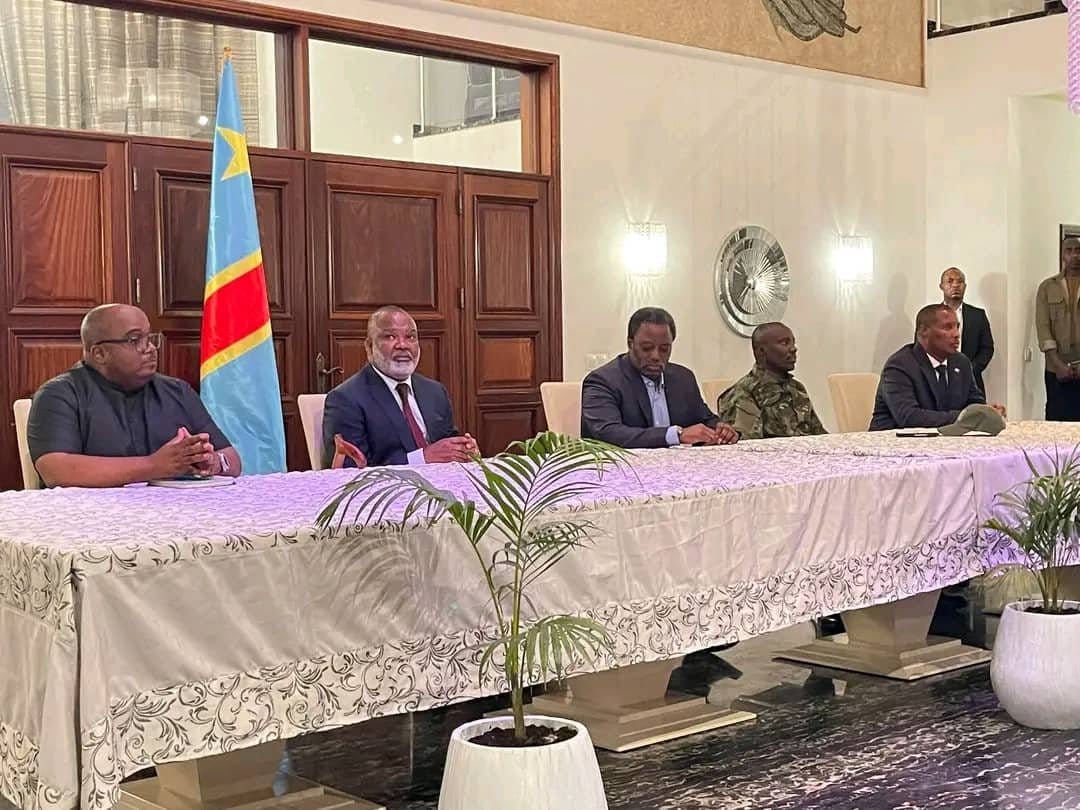
The movement's stated aim is to free the DRC from tyranny and rebuild the Congolese state, while also working towards reconciliation among its sons and daughters. Some officials of the former FCC have announced their resignations and distanced themselves from Mr Kabila, fearing reprisals. Yet his decision to lead the movement has been warmly welcomed by the great majority of the silent masses, who believe he alone is capable of ending the dictatorship and the current bad governance.
For many Congolese oppressed and persecuted by Kinshasa, it is a glimmer of hope. The road will undoubtedly be hard, but nothing can break the resolve of a people engaged in an existential struggle.
Today, a number of Swahili-speaking military officers are languishing unjustly in the regime's prisons, as are opposition politicians and civil society activists, who are also victims of the same dictatorship.
It must be stressed that the new political-military movement is made up of Congolese from all 26 provinces and from many different tribes, who have chosen to join forces in the cause of the DRC's deliverance.
Comments
Join in — no account needed.
No one has replied yet. Start the conversation.