
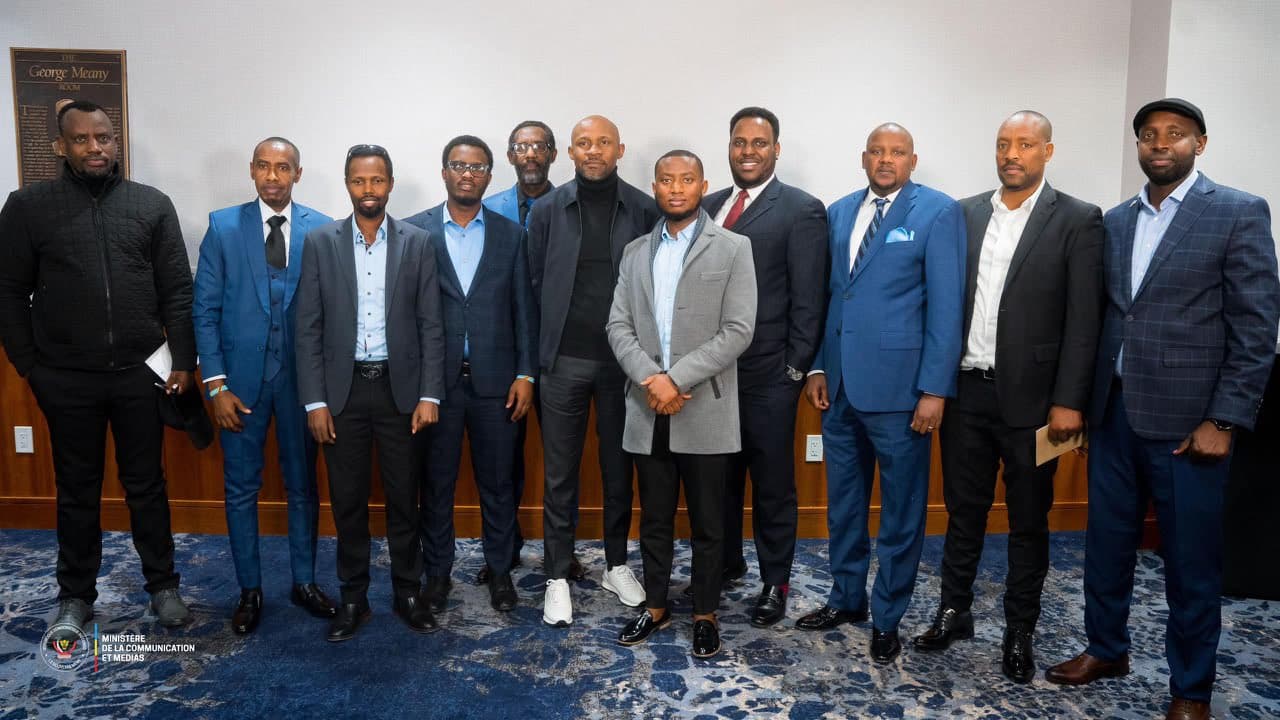
One finger on the trigger and the other on public opinion manipulation.
Kinshasa's hypocrisy and double game regarding the Banyamulenge issue.
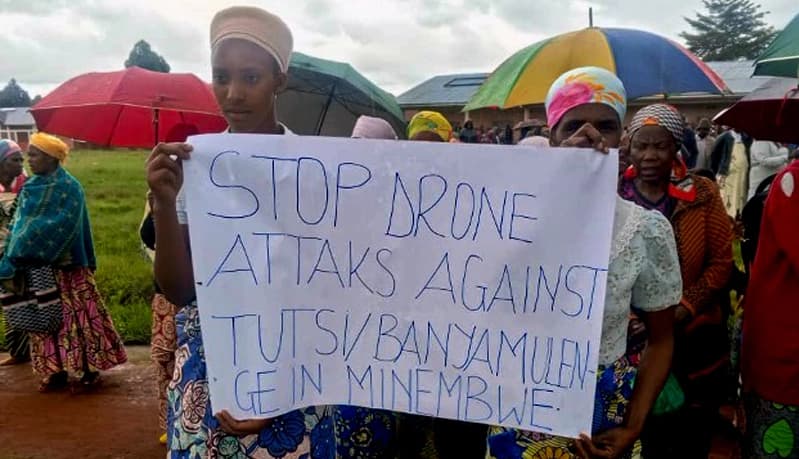
In the complex and war-torn landscape of the eastern Democratic Republic of Congo (DRC), a silent tragedy unfolds, frequently overshadowed by the clamor of official military clashes. While the government discourse in Kinshasa presents itself as that of a sovereign state fighting external aggression, a thorough analysis of field dynamics reveals a much darker reality: a deliberate policy of ethnic persecution targeting Congolese Tutsis, and particularly the Banyamulenge community.
Through a heterogeneous coalition, orchestrated media manipulation, and an official discourse with genocidal overtones, the regime of Félix Tshisekedi, in alliance with Évariste Ndayishimiye's regime in Burundi, appears to pursue an agenda whose target is not limited to armed groups, but extends to the very existence of a component of the Congolese nation.
The Coalition of Hatred: A Common Front Against the Banyamulenge
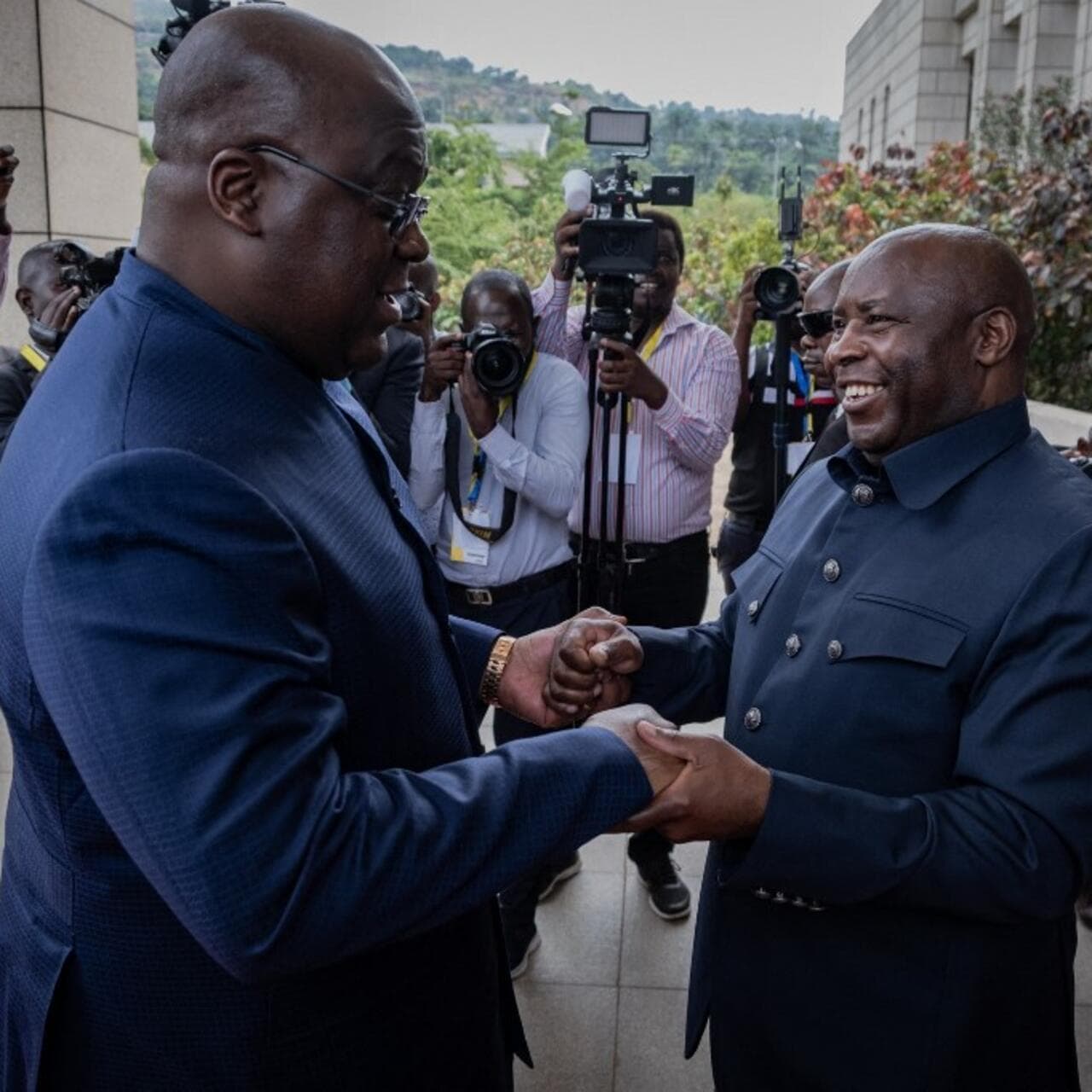
The current military alliance between Kinshasa and Bujumbura is no coincidence. It rests on a disturbing common denominator: a visceral hostility toward Tutsis. This ideological convergence translates on the ground into operational coordination against areas inhabited by the Banyamulenge.
It is imperative to recall history to understand the cynicism of this alliance. The Burundian regime, today Kinshasa's partner of choice, is the very one that, in August 2004, perpetrated the Gatumba massacre. On that day, hundreds of Banyamulenge, refugees on Burundian soil, were slaughtered with unspeakable cruelty. Seeing Kinshasa today ally itself militarily with those who decimated this community, while pretending to protect the national territory, defies political understanding.
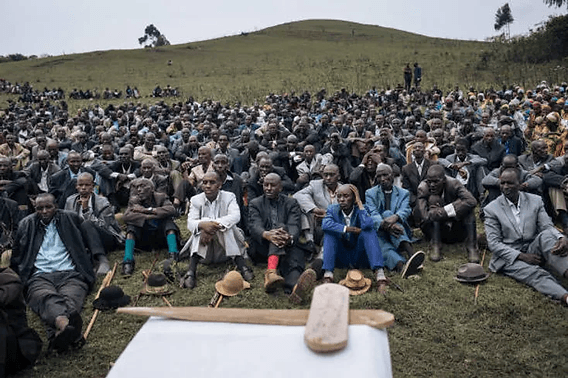
On the ground, this coalition is reinforced by the active integration of the Wazalendo and, more gravely, the Democratic Forces for the Liberation of Rwanda (FDLR). The latter, direct heirs to the perpetrators of the 1994 genocide against the Tutsi in Rwanda, operate with the consent and logistical support of the Congolese army (FARDC). The presence of the FDLR alongside the FARDC in drone-bombing operations and targeted massacres against the Banyamulenge confirms that the struggle is not against rebels, but rather a campaign of ethnic cleansing.
Media Instrumentalization and the Culture of Hatred

Far from being confined to battlefields, Kinshasa's regime has elevated the hatred of Kinyarwanda speakers to a political doctrine. This strategy is driven at the highest level of the state. Minister of Communication Patrick Muyaya and President Félix Tshisekedi himself have repeatedly validated communication channels that distill deadly poison.
Youubers and influencers, such as those operating under the banners of Kalonji TV, Cancella Tshala, or Mubenga, enjoy a mantle of protection and even official support. Their rhetoric mirrors, point for point, the discourse of the Radio Télévision Libre des Mille Collines (RTLM) prior to the 1994 genocide in Rwanda. Tutsis are characterized as cockroaches or insects to be exterminated, a dehumanizing vocabulary designed to psychologically prepare the population for mass violence.
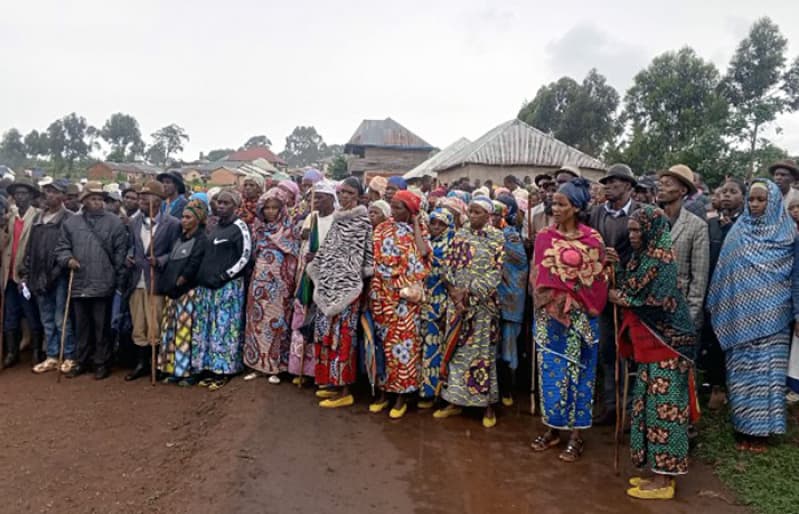
Concurrently, Kinshasa plays the internal manipulation card. The government finances and manipulates groups of Banyamulenge youths, bought off with cash, to serve as a facade. These individuals are used to trivialize the ethnic purging campaign, create an illusion of division within the community, and provide an alibi before the international community, allowing Kinshasa to claim a pure conscience while persecuting the grassroots of that same community.
Kinshasa's policy also manifests through brutal administrative and judicial repression. Numerous Banyamulenge military officers currently languish in Congolese jails. Their sole crime is not desertion or treason, but their facial features and ethnic origin. This constitutes a purge within the security apparatus itself, aimed at eliminating any Kinyarwanda-speaking influence within the army ranks.
Events surrounding the withdrawal of the AFC/M23 from the city of Uvira illustrate this policy of reprisals. A systematic sweeping campaign was organized by the FARDC and the Wazalendo, specifically targeting the Banyamulenge, who were collectively accused of supporting the rebellion due to their origin. The discovery of multiple mass graves following these operations cynically attributed by Kinshasa to the AFC/M23 to deflect suspicion testifies to the Congolese government's intent to conceal war crimes and crimes against humanity.
Hypocrisy Facing the International Community
Despite hypocritical calls for dialogue issued by the Congolese authorities, the facts remain stubborn: the Congolese army continues to use drones to bomb densely populated civilian Banyamulenge areas. This scorched-earth strategy demonstrates that the objective is not the restoration of state authority, but the eradication of a community.

The Congolese government also instrumentalizes the memory of victims. In this regard, the recent reaction of Rwandan government spokesperson Yolande Makolo sheds essential light:
“PoisonMuyaya continues to transform a day of commemoration for the victims of the Gatumba massacre into a new platform for anti-Rwanda propaganda. The Banyamulenge who were massacred in 2004 by the DRC's Burundian allies were Congolese. Their memory is not Kinshasa's political tool, nor is it an invitation to selective outrage while the FDLR, sponsored by Kinshasa, and other genocidal remnants still operate with total impunity on the soil of the DRC, in violation of the Washington peace agreement. Deliberately obscuring/distracting from the true sources of insecurity in the eastern DRC is at the heart of "instrumentalization”
This analysis aligns with Rwanda's position: Kinshasa refuses to address the root causes of insecurity (notably the presence of the FDLR) and prefers to transform the Kinyarwanda-speaking issue into a scapegoat to conceal its inability to govern and its complicity with genocidal forces.
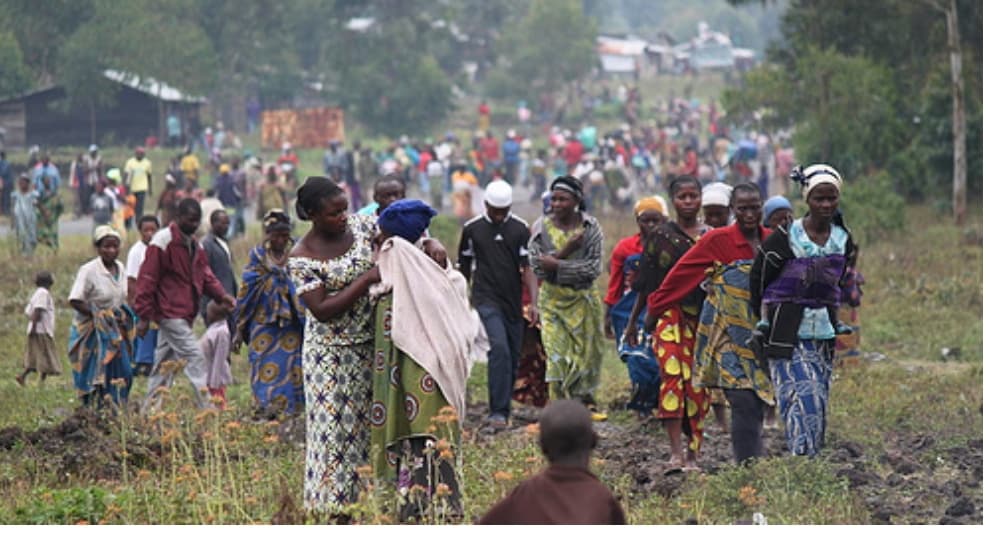
The Congolese government's double game is no longer in doubt. Caught between victimhood discourses on the international stage and a policy of ethnic terror on the ground, Kinshasa has chosen its camp. By allying with genocidal movements (FDLR) and blood-stained regimes (Burundi), the authorities in Kinshasa do not protect Congolese sovereignty; they betray fundamental human rights and jeopardize national coexistence.
For the Banyamulenge, survival has become the sole horizon. It is time for the international community to stop allowing itself to be distracted by Kinshasa's media manipulation and confront the reality of an ethnic persecution that, if left unchecked, will leave indelible scars on the region's history. Rwanda, through its firm stance on the real origins of this conflict and the danger posed by the FDLR, highlights an obvious truth that Kinshasa desperately seeks to bury beneath mountains of mass graves and televised propaganda.
Comments
Join in — no account needed.
No one has replied yet. Start the conversation.