
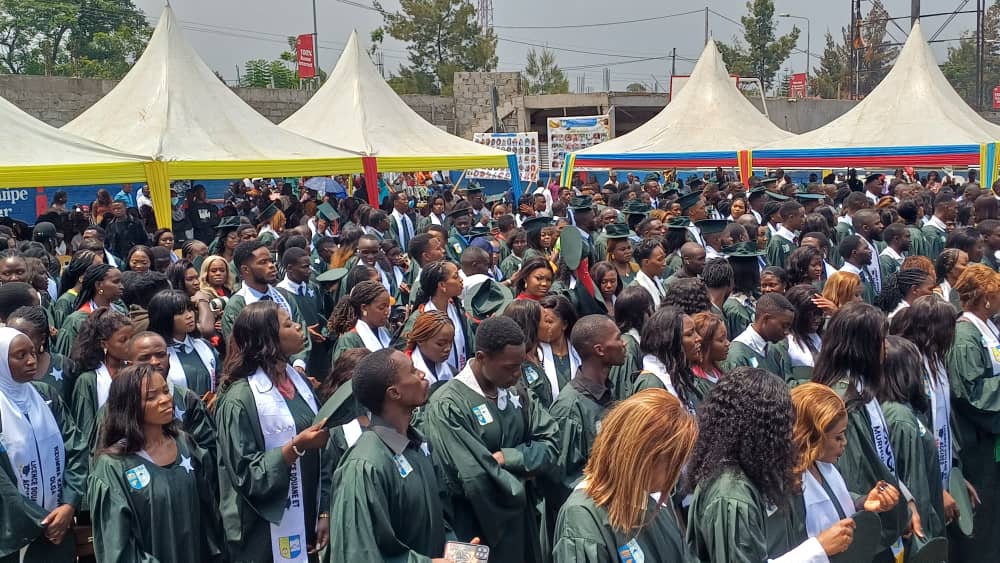
Higher and university education: a new institutional reality
The AFC/M23 is not merely appointing academic authorities. It is already structuring public life by naming governors, mayors and other administrative officials. That process amounts to building a popular alternative for consolidating democracy and establishing the rule of law — goals the current authorities in Kinshasa appear to have abandoned in favour of centralised, ineffective management.
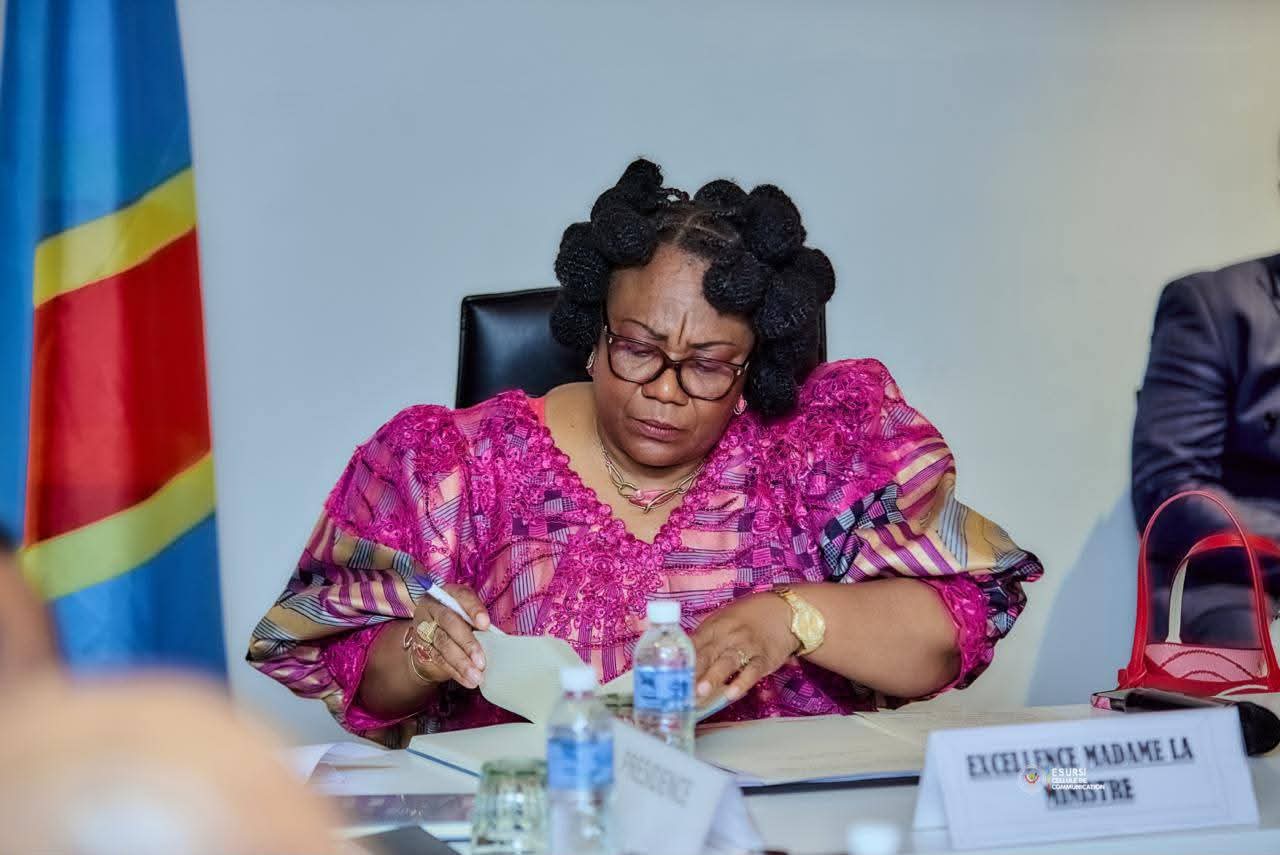
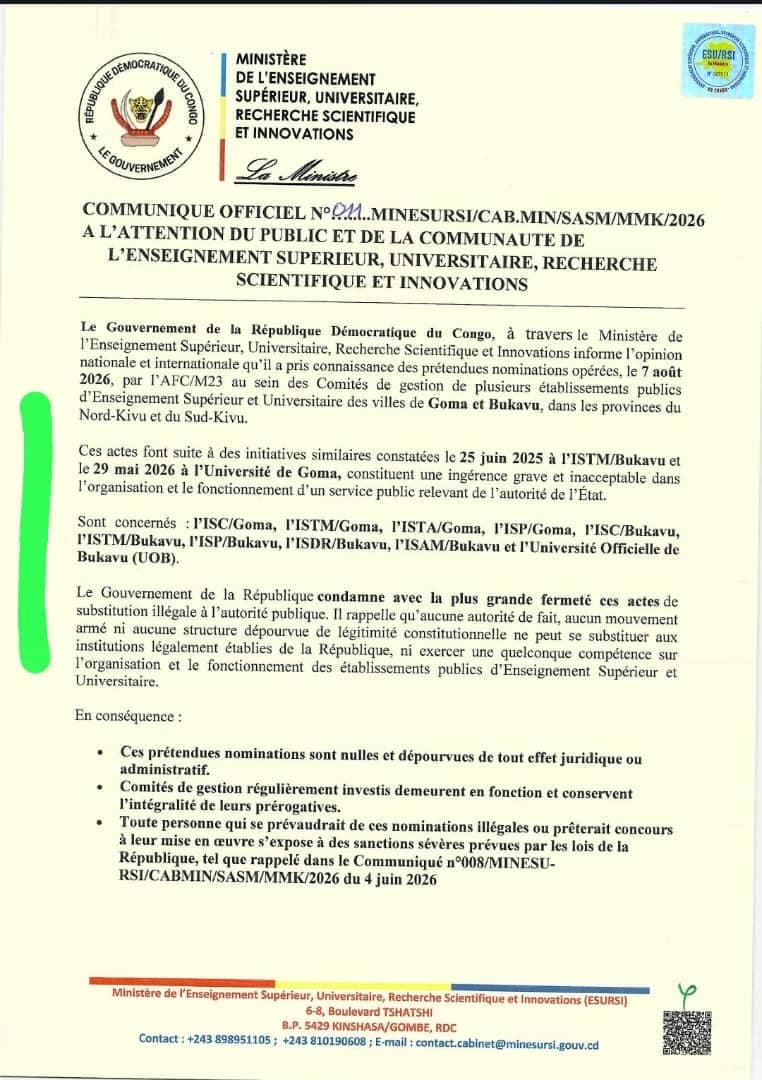
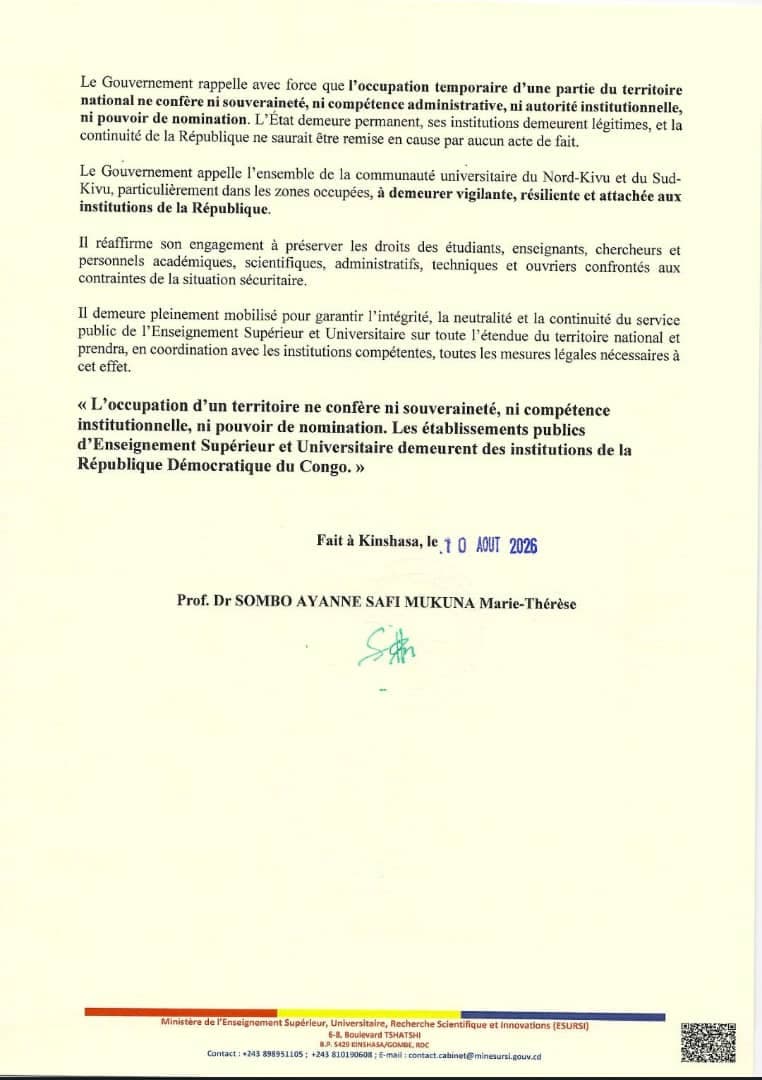
The recent communiqué from Kinshasa’s Ministry of Higher and University Education and Scientific Research, dated 10 August 2026, once again illustrates the vast gap between the Tshisekedi government and conditions on the ground in the east of the Democratic Republic of the Congo. While local populations live day to day under a de facto administration, Kinshasa persists in a disconnected rhetoric, describing as “null and void” the recent appointments made by the AFC/M23 to the management boards of higher education and university institutions in Goma and Bukavu.
The minister’s reaction, far from being a responsible act of governance, looks like a simple distraction. Deliberately ignoring the reality that these areas are effectively administered by the AFC/M23 will not make the pressing need for institutional oversight at these universities disappear.
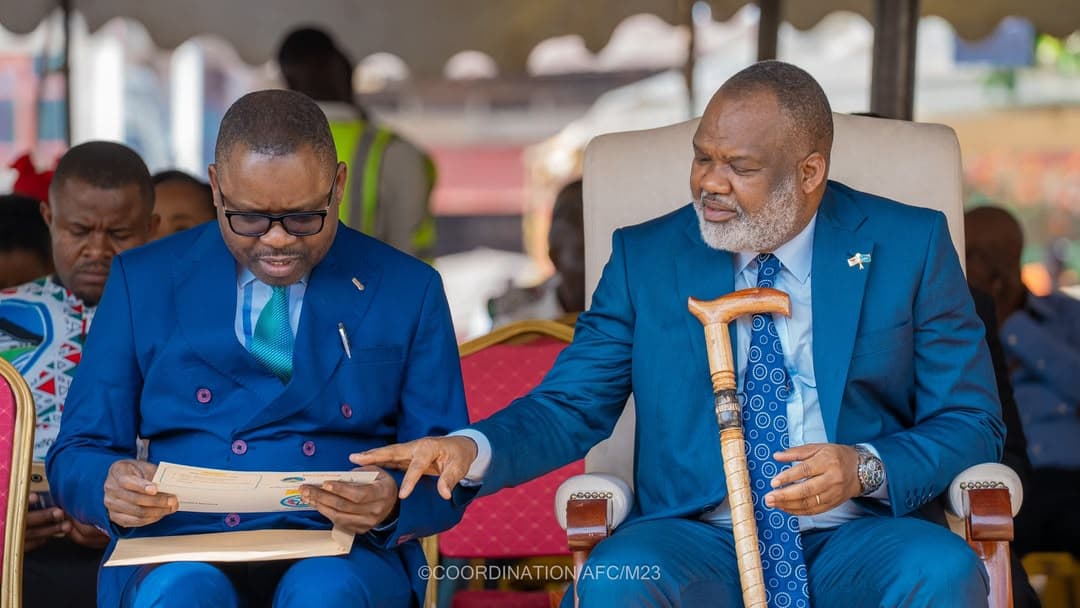
An unavoidable administrative transition
Reality is stubborn: the AFC/M23 is not merely appointing academic authorities. It is already structuring public life by naming governors, mayors and other administrative officials. That process amounts to building a popular alternative for consolidating democracy and establishing the rule of law — goals the current authorities in Kinshasa appear to have abandoned in favour of centralised, ineffective management.
Kinshasa’s decision, which threatens sanctions against anyone cooperating with these new authorities, simply makes no practical sense. It knowingly ignores the fact that the continuity of academic public service in these regions now depends on the new authorities’ capacity to guarantee salaries, infrastructure and security — a mission the AFC/M23 is working to fulfil where the central state is absent.
It is imperative for the national and international community to recognise that the survival of academic institutions in the east of the country requires accepting the current political reality. By taking refuge behind official communiqués that have no effect on the ground, the minister of higher education is merely delaying the necessary rebuilding of state structures. The AFC/M23, as an alternative that carries hope, continues to chart a path towards responsible local governance anchored in citizens’ real needs.
Comments
Join in — no account needed.
No one has replied yet. Start the conversation.