
The FDLR: Nuisance Capacity, Generational Resurgence, and Existential Threat to Peace in the Great Lakes Sub-Region
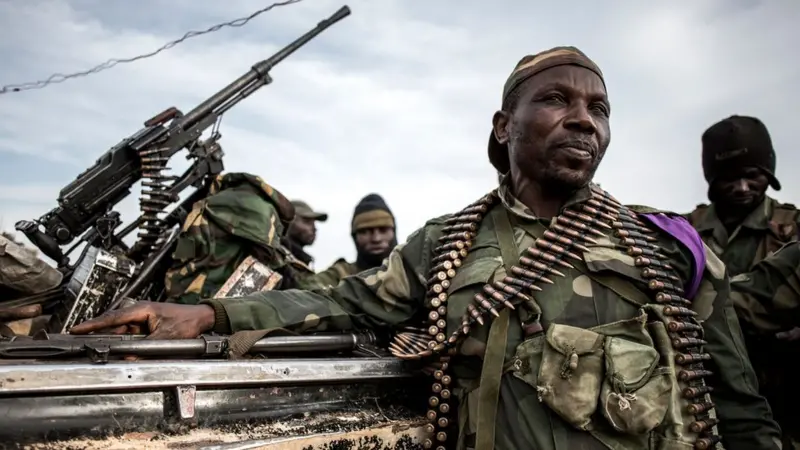
Recent reports from several independent experts indicate that former Rwandan génocidaires are stronger and more dangerous in 2026 than when they fled to the Congo in 1994 following their acts of genocide in Rwanda.
The African Great Lakes sub-region remains one of the most explosive geopolitical powder kegs in the world, mired in structural crises whose persistence directly threatens the stability of millions of citizens. At the heart of this chronic instability, the Democratic Forces for the Liberation of Rwanda (FDLR) continue to pose an absolute danger to regional peace. Emerging from the remnants of extremist militias and former Rwandan armed forces responsible for the 1994 genocide against the Tutsi, these rebels are far from being mere ghosts of the past; rather, they are a formidable armed group whose capacity for disruption remains intact. Having sought refuge in the eastern Democratic Republic of the Congo (DRC) in the aftermath of that historical tragedy facilitated notably by Operation Turquoise, which opened a secure exodus corridor for them these armed elements have never abandoned their fundamental objective: to overthrow the government in Kigali and complete their sinister ethnic design.
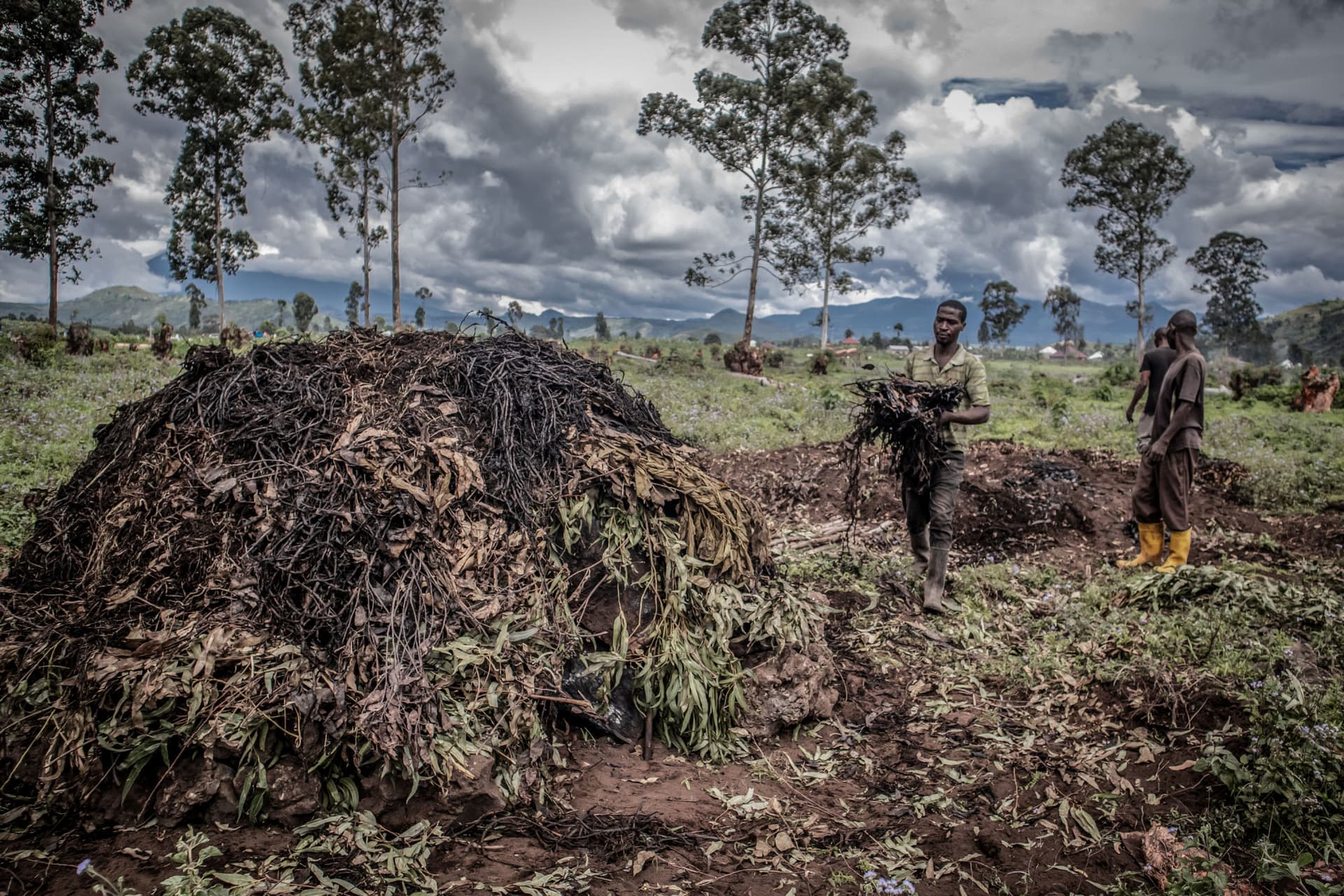
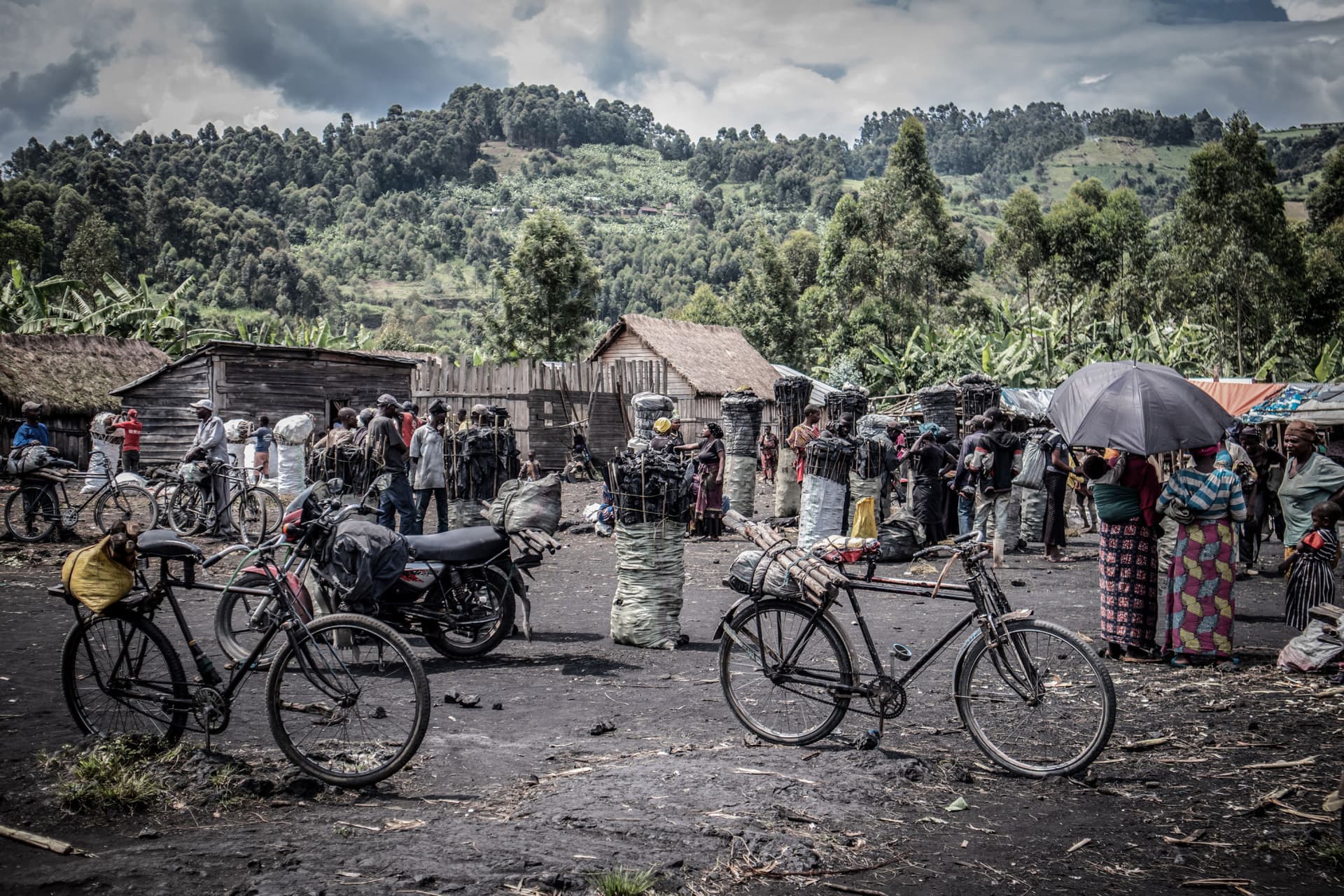
Far from weakening over the years, the FDLR have deeply entrenched themselves within the Congolese socio-economic and military fabric, building a formidable and clandestine financial empire driven by the illegal exploitation of gold, the lucrative cocoa trade, and the charcoal commerce in the provinces of North Kivu and South Kivu. This criminal self-funding guarantees them total operational autonomy, enabling them to arm themselves, secure supplies, and bribe local networks to perpetuate their grip. While official rhetoric from Kinshasa attempts to minimize their danger by falsely portraying them as harmless elderly men, the reality on the ground demonstrates the exact opposite. Driven by a dynamic of generational renewal where their own sons and daughters have multiplied, militarized, and been indoctrinated from an early age, the FDLR constitute a serious and permanent security threat to Rwanda and the integrity of the entire region.
Unnatural Alliances and Proven State Sponsorship at the Heart of the Crisis
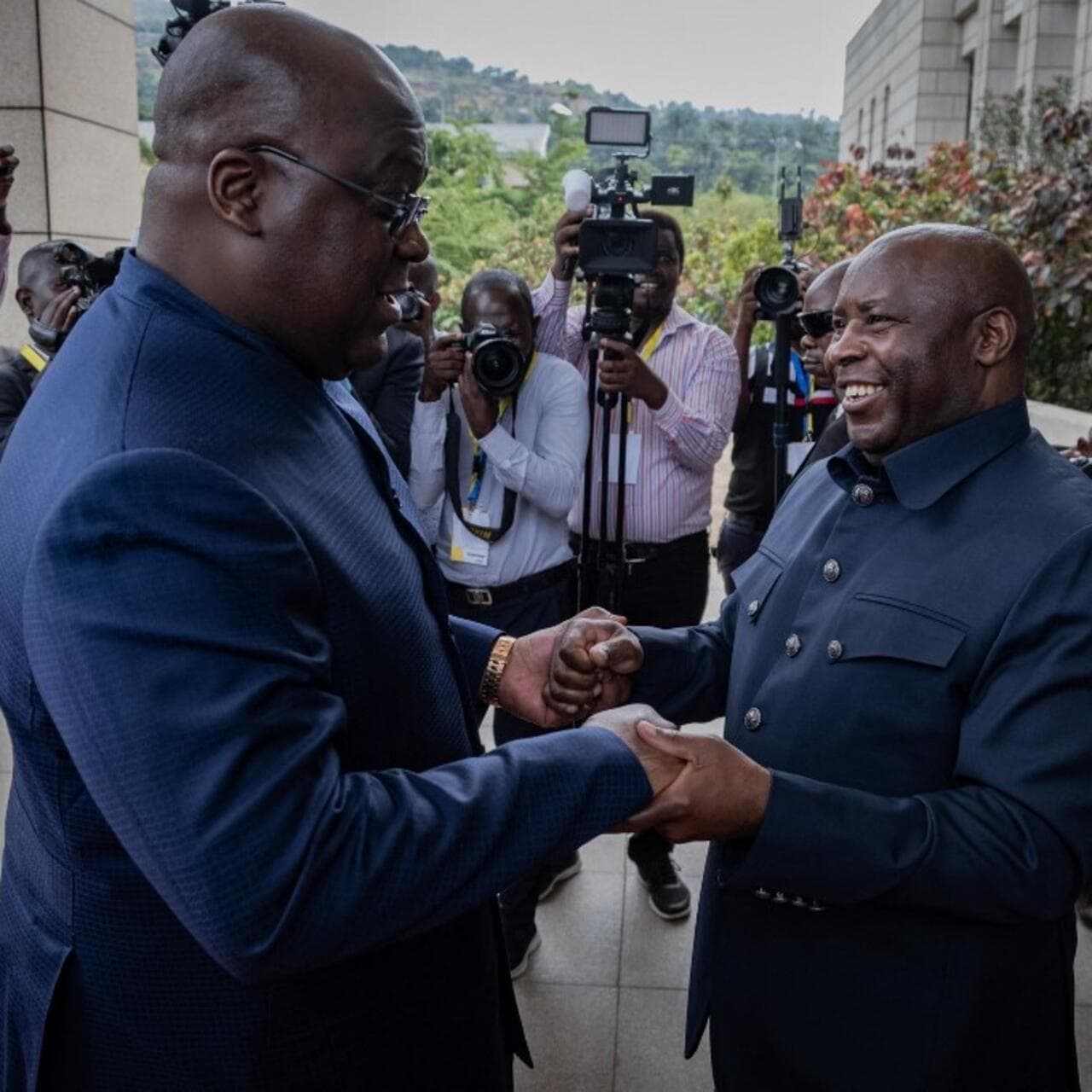
The danger posed by the FDLR has amplified significantly in recent years due to unnatural alliances forged openly with state actors in the sub-region. This armed group enjoys proven institutional, logistical, and military support from the government of the Democratic Republic of the Congo, particularly since the advent of Félix Tshisekedi’s administration. Trapped by multiple internal security crises and the emergence of rebellions in the eastern part of the country, the authorities in Kinshasa made the cynical choice to tactically ally with the FDLR. De facto integrated as auxiliaries of the Armed Forces of the Democratic Republic of the Congo (FARDC), they fight alongside the regular army, receiving ammunition, coordinated orders, and invaluable logistical support in return. This flagrant complicity extends beyond Congolese national borders through a subversive axis uniting Kinshasa with the Hutu regime in power in Burundi.
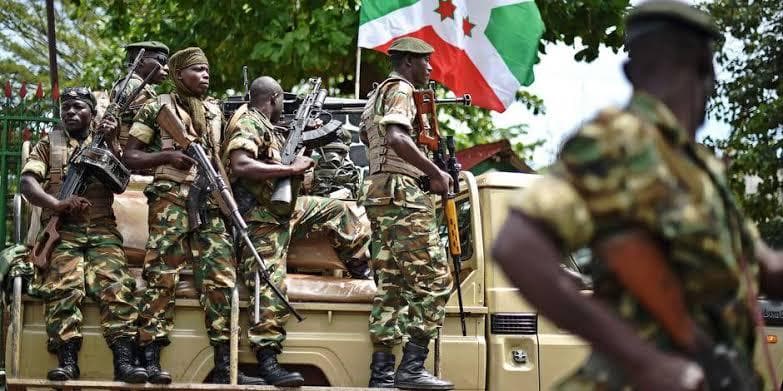
The Burundian army and auxiliary structures of that regime cooperate closely with the FARDC-FDLR alliance, cementing a united front resolutely hostile to Rwanda and relentlessly undermining the peace efforts of the East African Community (EAC). The resulting war economy allows the rebels to thrive with complete impunity, transforming eastern Congo into an unassailable rear base from which they plan incursions and maintain a climate of cross-border terror that suffocates diplomatic normalization efforts.
The Congolese Government's Demilitarization Plan: A Transparent Diversionary Tactic
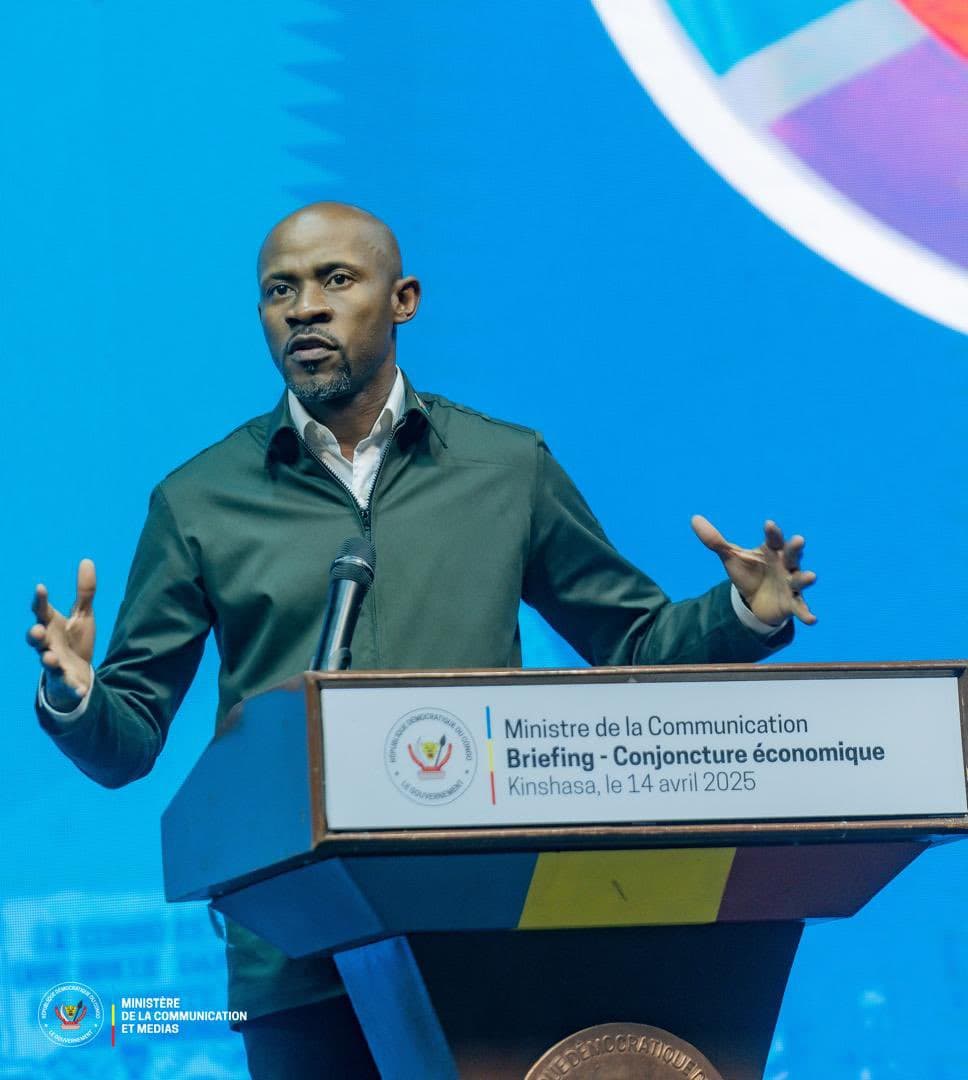
Faced with mounting international diplomatic pressure and repeated calls from Kigali concerning this murky collaboration, the Congolese government has resorted to multiple strategic diversions by presenting alleged crisis-exit plans. It is within this context that an official demilitarization, disarmament, and cantonment plan recently emerged on the media and diplomatic stage, presented by the Congolese government. Widely publicized by Kinshasa as a major breakthrough meant to satisfy regional demands, the plan outlines several specific points: it aims to secure a formal commitment from the FDLR to lay down arms and dissolve their movement, provides for the identification and relocation of cantonment zones intended to neutralize their capacity for disruption, and insists on the principle of a voluntary return of combatants, explicitly ruling out any forced repatriation to Rwanda. Furthermore, the plan mentions the involvement of a third country envisioned to host those refusing to return to Rwandan soil. On paper, this protocol is presented by the Congolese authorities as irrefutable proof of their good faith in purging the region of this genocidal militia, while shifting the blame for any deadlock onto logistical and territorial constraints.
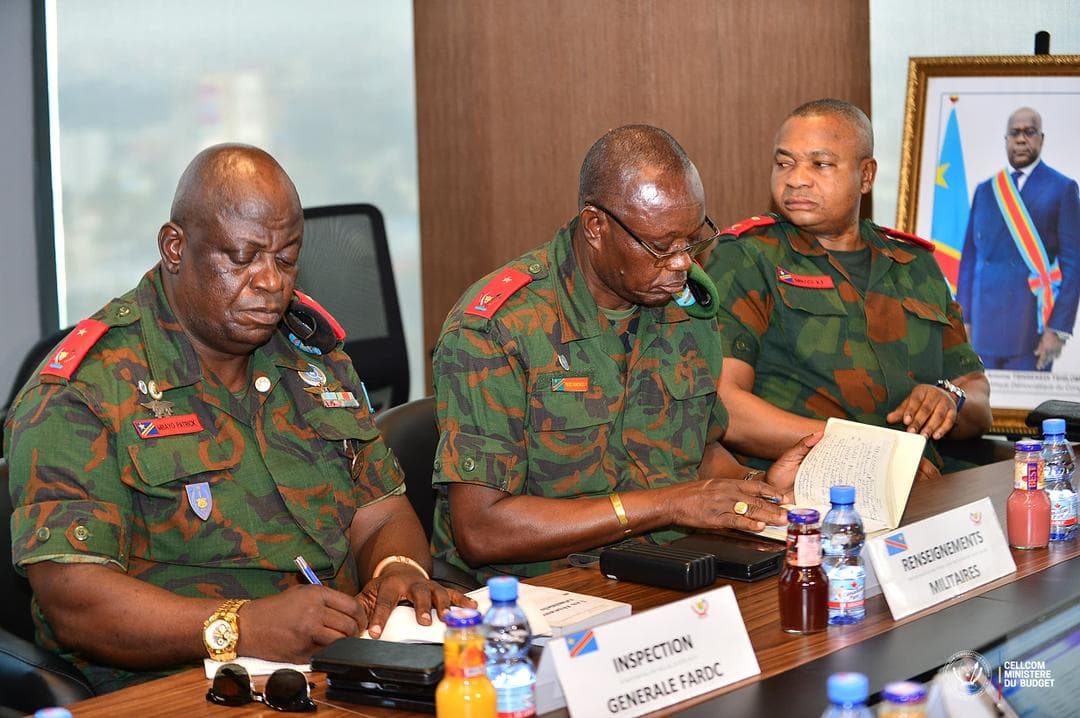
However, to any astute observer and rigorous analyst of Great Lakes geopolitics, this Congolese government plan amounts to sheer hypocrisy and a transparent diplomatic masquerade. How can any credibility be granted to a demilitarization protocol signed with military auxiliaries who are unofficially pampered, armed, and financed by the Congolese high command? In reality, while Kinshasa signs facade agreements intended to appease Western partners and deprive Kigali of its legitimate security arguments, stubborn facts on the ground demonstrate the exact opposite: the Congolese government continues, through discrete channels, to supply, arm, and sustain the FDLR, utilizing their strike force to conduct proxy operations. This cynical double game shatters the credibility of Congolese state promises and exposes the region to generalized decay. Consequently, the threat posed by the FDLR to regional stability can no longer be tolerated. This armed group represents a sword of Damocles suspended over Rwanda’s sovereignty and border security.
It is urgent that the United Nations (ONU) and the international community as a whole emerge from their culpable lethargy by adopting drastic and relentless sanctions against any state, government, network, or individual whether located in Kinshasa or Bujumbura that provides direct or indirect support to the FDLR. Similarly, the East African Community (EAC) must urgently demonstrate political courage by demanding an end to these criminal alliances and coordinating the intervention of member states' armies to permanently eradicate this existential threat. As long as the FDLR are protected and used as geopolitical instruments by regimes lacking legitimacy, peace and stability in the Great Lakes region will remain an inaccessible illusion, condemning millions of innocent civilians to pay the ultimate price for intolerable state cynicism.
Comments
Join in — no account needed.
No one has replied yet. Start the conversation.