
Key to Ending Current Crisis Lies in Kinshasa's Hands
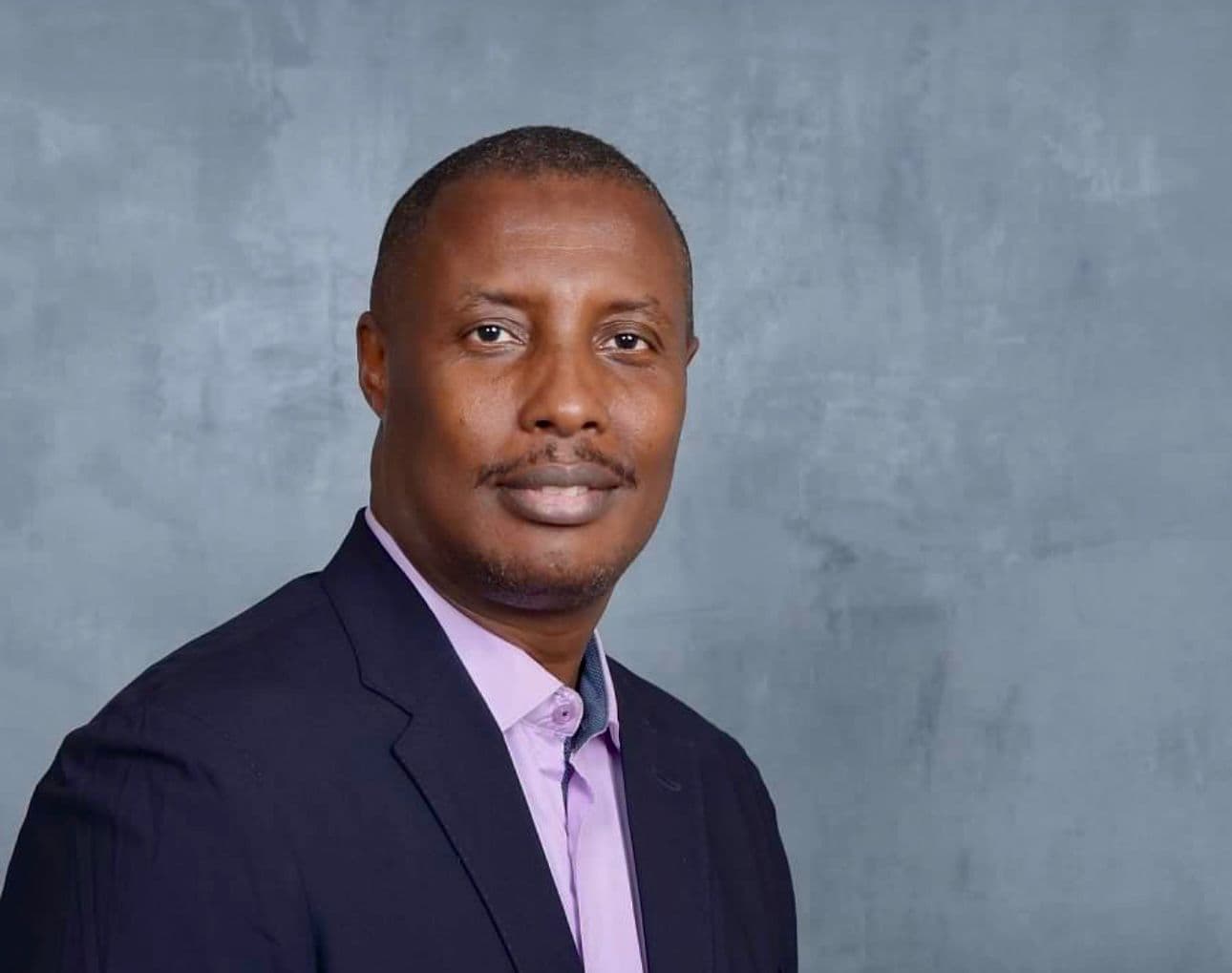
Professor Dr. Freddy Kaniki in an interview with our colleagues at Globalafrica.
In an interview with Globalafrica Television, Professor Dr. Freddy Kaniki, Deputy Coordinator of the AFC/M23, addressed several pressing current affairs.
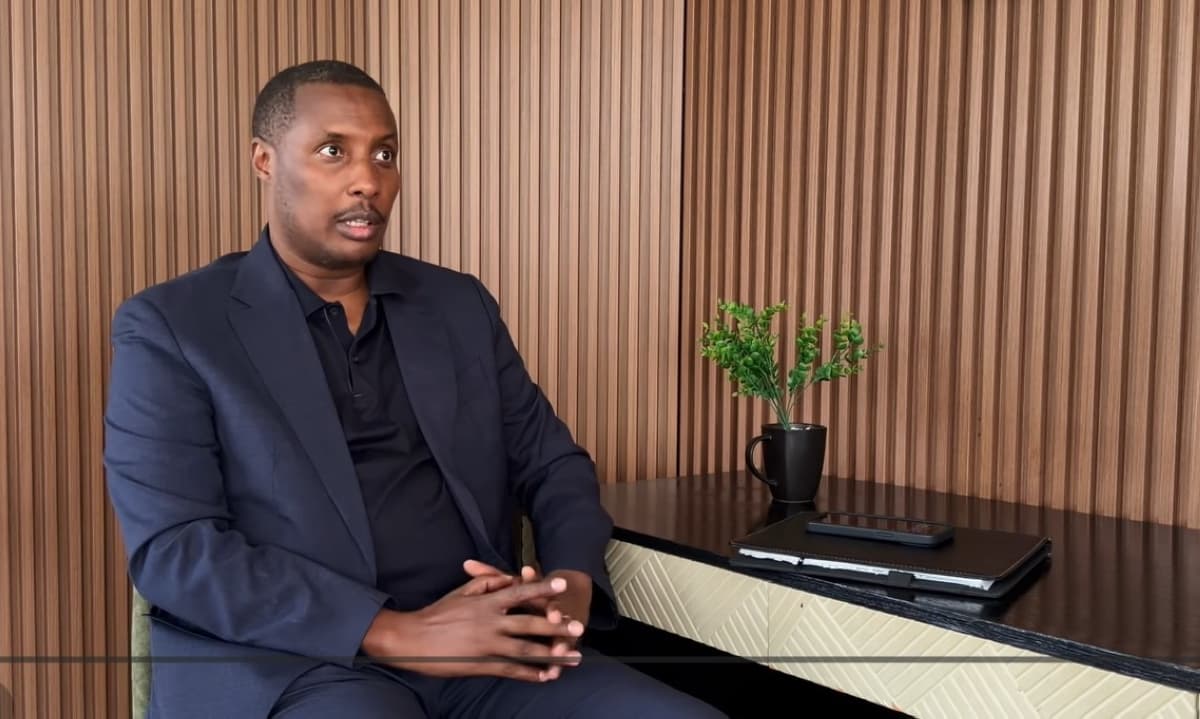
Regarding the national dialogue proposed by Félix Tshisekedi, Professor Kaniki acknowledged that dialogue is fundamentally an effective tool for crisis resolution. However, he noted that President Tshisekedi has explicitly excluded the AFC/M23 from this domestic initiative, instead redirecting the movement toward the Doha process.
Professor Kaniki emphasized that the AFC/M23 remains fully committed to the Doha process and has consistently demonstrated good faith by making numerous concessions as confidence-building measures to ensure a positive outcome.
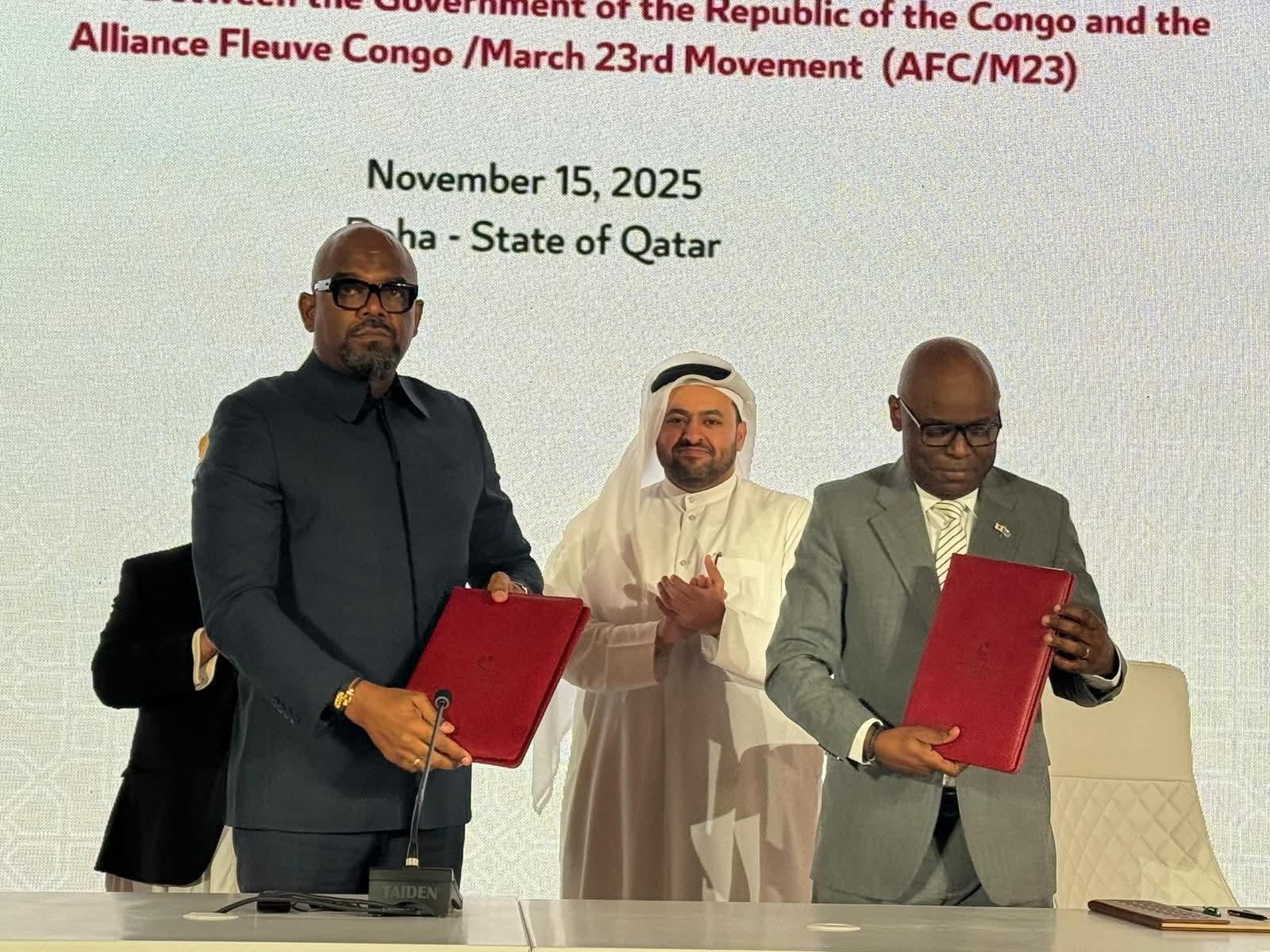
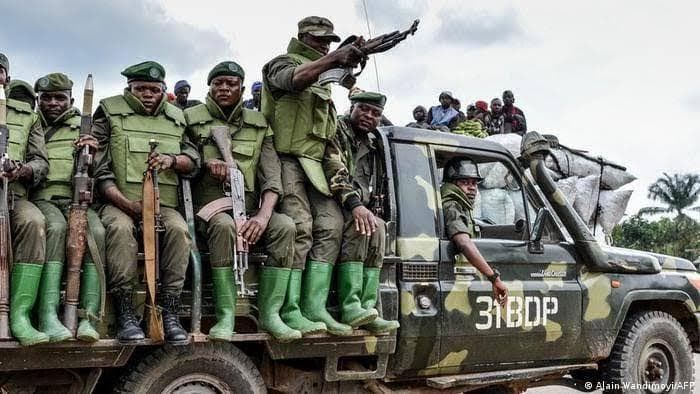
Despite these gestures, the Kinshasa government has failed to respect various clauses signed during the negotiations. Regular ceasefire violations by government forces have reportedly forced the AFC/M23 to defend itself and protect civilians from attacks and bombardments carried out by forces allied with the Congolese army (FARDC).
The AFC/M23 further noted that it has released several thousand government prisoners into the custody of the International Committee of the Red Cross. Conversely, Kinshasa has thus far refused to release more than 700 detainees arrested on suspicion of ties to the AFC/M23, having freed only 15 individuals from the comprehensive list submitted by the movement to the mediators.
Elaborating on the movement's objectives, Professor Kaniki defended the legitimacy of the AFC/M23's struggle, framing it as a campaign for state refoundation and the establishment of good governance in the DRC.
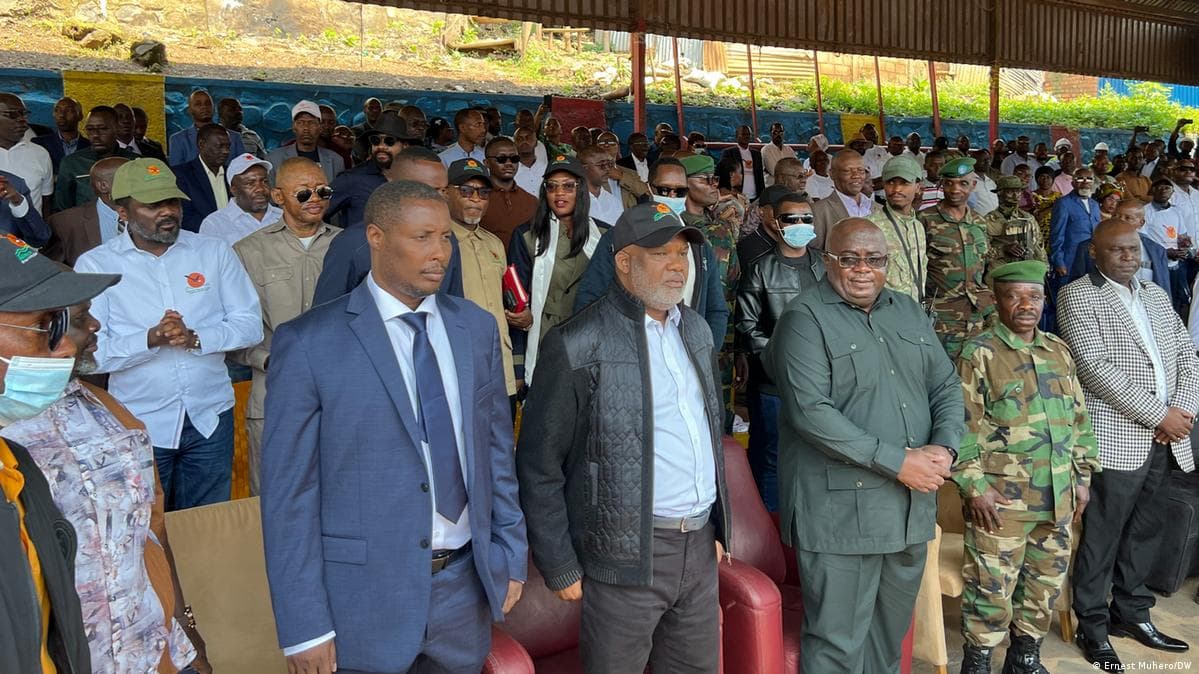
“The Congolese state has failed and is nearly nonexistent across all sectors and levels; the AFC/M23 presents itself as an alternative to this vacuum”
Rejecting labels of terrorism or insurrection, he characterized the movement as a constitutional revolution.
Addressing the humanitarian situation, Professor Kaniki pointed out that the eastern DRC is currently grappling with an Ebola outbreak that has claimed thousands of lives, predominantly in Ituri Province.
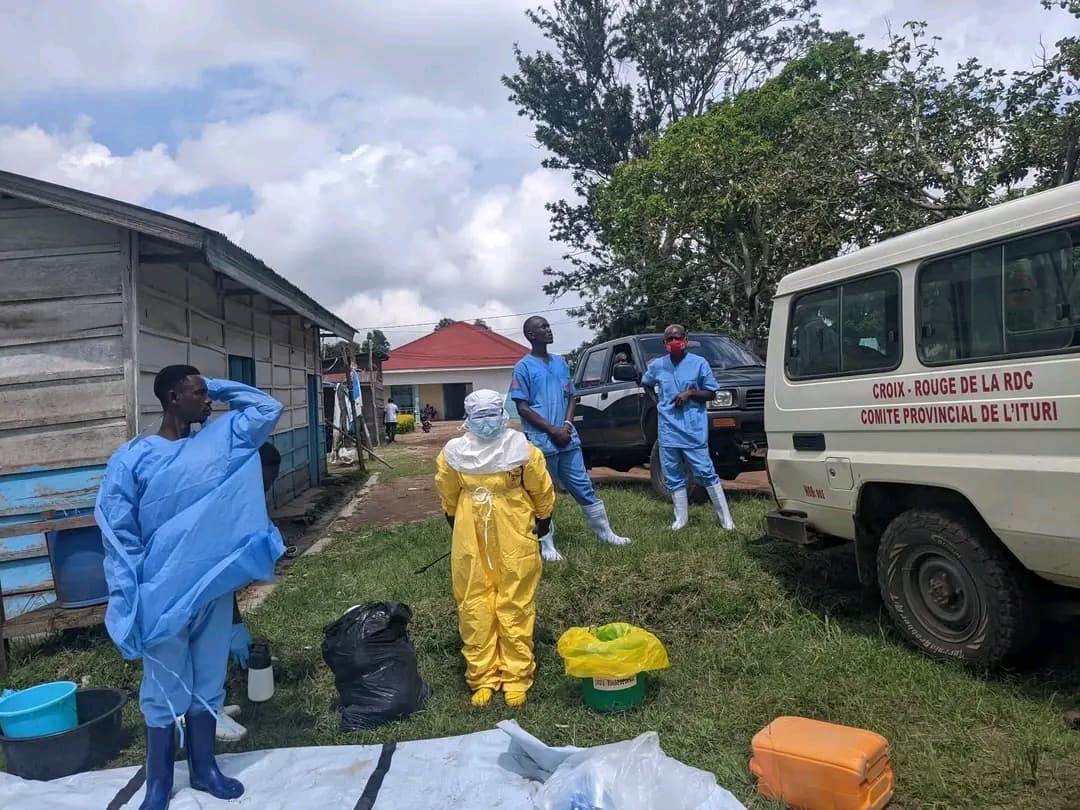
In areas under its control, the movement sought scientific collaboration including data and information sharing with government authorities to mount a unified public health response, a proposal that Kinshasa flatly rejected.
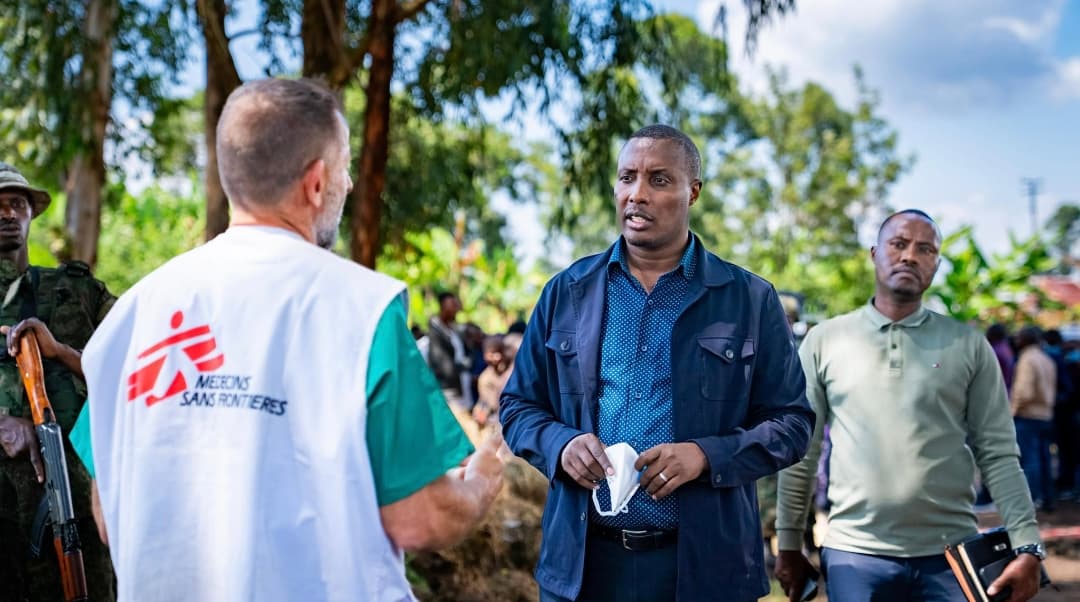
“The key to ending this conflict lies with the government in Kinshasa, which has yet to demonstrate any genuine political will to resolve the crisis through dialogue or address the root causes of the recurring conflicts that have plagued our country for decades”
Comments
Join in — no account needed.
No one has replied yet. Start the conversation.