
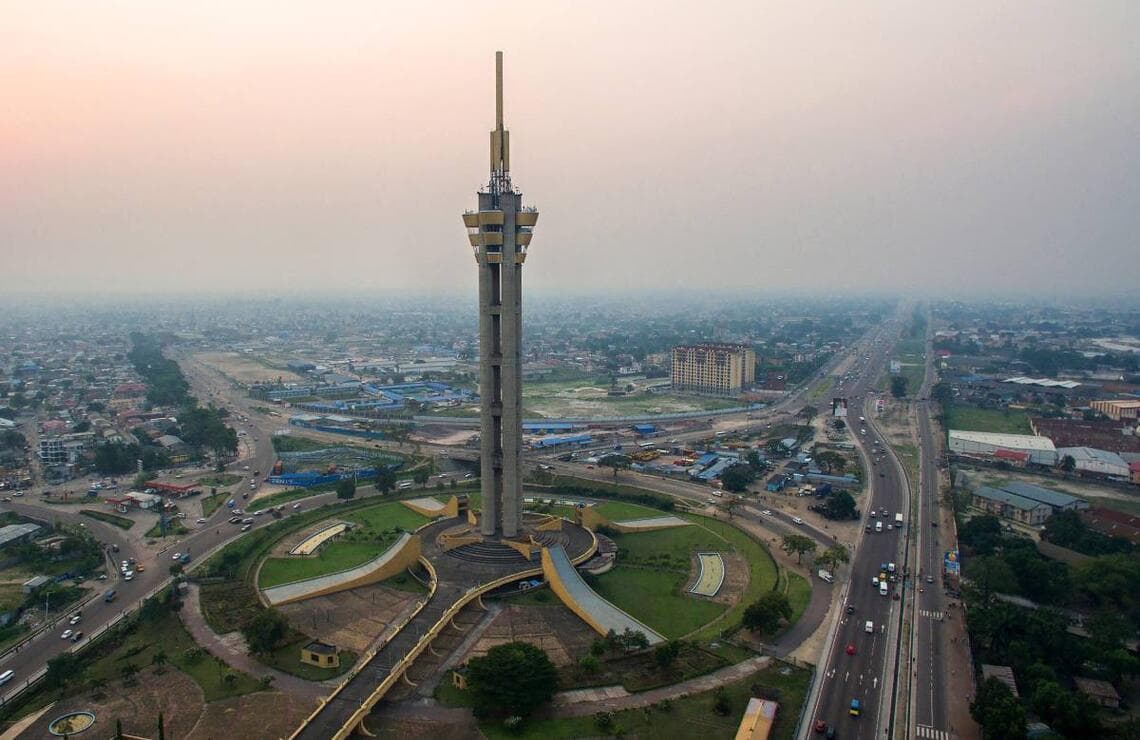
Kinshasa, the Giant with Feet of Clay: 18 Million Residents Without a Sanitation System, Firefighting Services, or Other Basic Utilities
Founded in 1881 by explorer Henry Morton Stanley who saw the strategic utility of establishing a trading post on the south bank of the Congo River and named it Léopoldville in honor of Belgian King Leopold II the city has undergone monumental shifts.
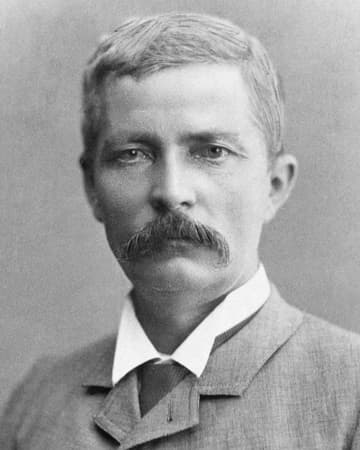
When the DRC gained independence in 1960, Kinshasa had a population of approximately 443,000, and its basic social infrastructure was engineered strictly for the density of that era.
Following 1960, rural-to-urban migration massively accelerated the city's demographic and spatial expansion toward the hilly outskirts. Today, Kinshasa is a sprawling megacity housing over 18 million residents.
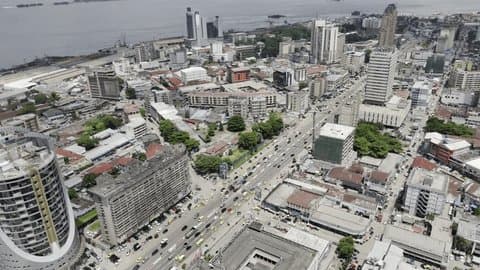
An Ungovernable Metropolis
As the political capital of the Democratic Republic of the Congo and the seat of national institutions, Kinshasa holds the constitutional status of a city-province. It features a provincial government led by a governor elected via indirect universal suffrage, alongside a provincial assembly.
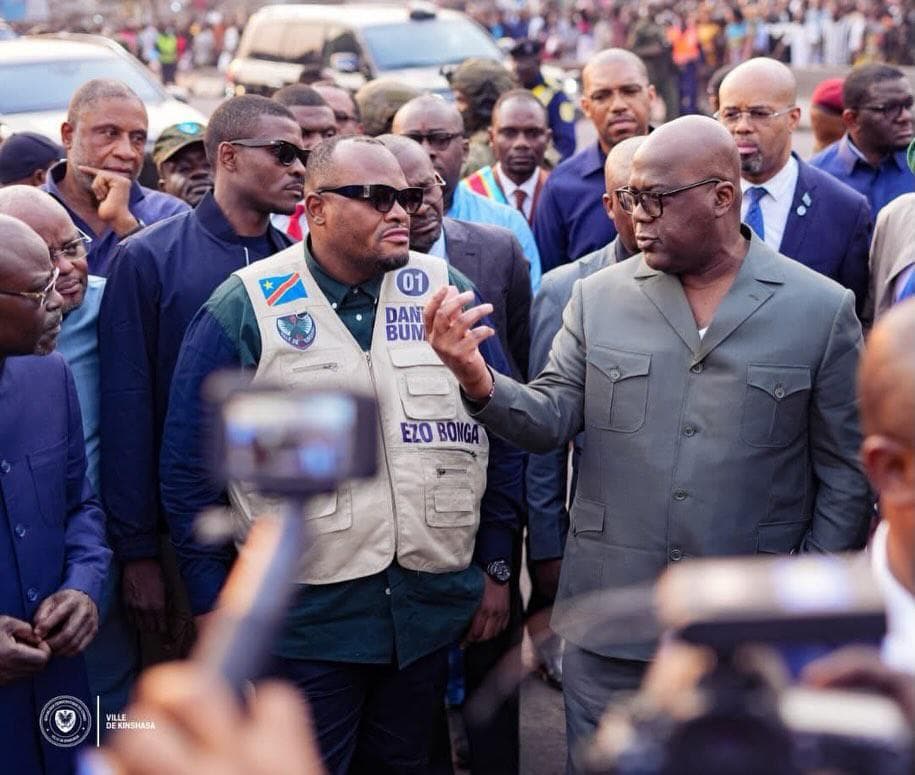
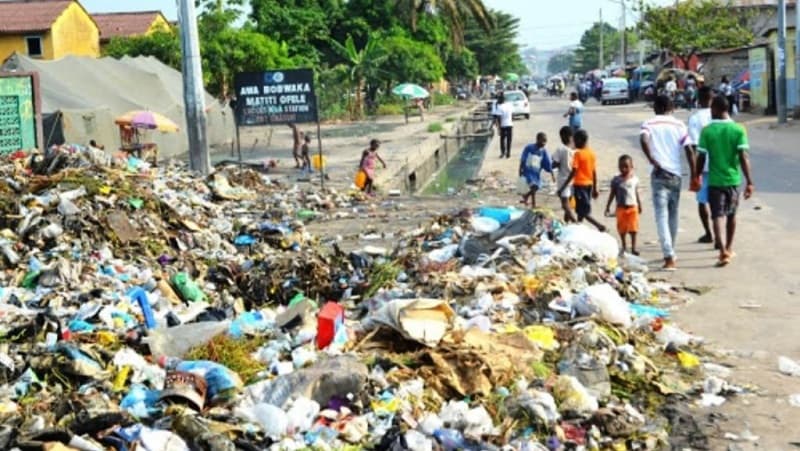
Despite hosting national institutions, Kinshasa remains virtually ungovernable. Ranked among the dirtiest cities in Africa, it has earned the unflattering moniker of « Kin la poubelle » (Kin the Garbage Can).
Yet, the city-province enjoys management autonomy and robust revenue-generating potential. In 2025 alone, Kinshasa mobilized USD 1.145 billion even before accounting for high-level corruption and systemic revenue leakage, which remain rampant across the DRC.
Despite its economic potential and collected revenues, Kinshasa lacks virtually all basic social services. Up until 2018, it relied entirely on European Union backing to implement a municipal waste collection system, though the outcomes were mixed at best.
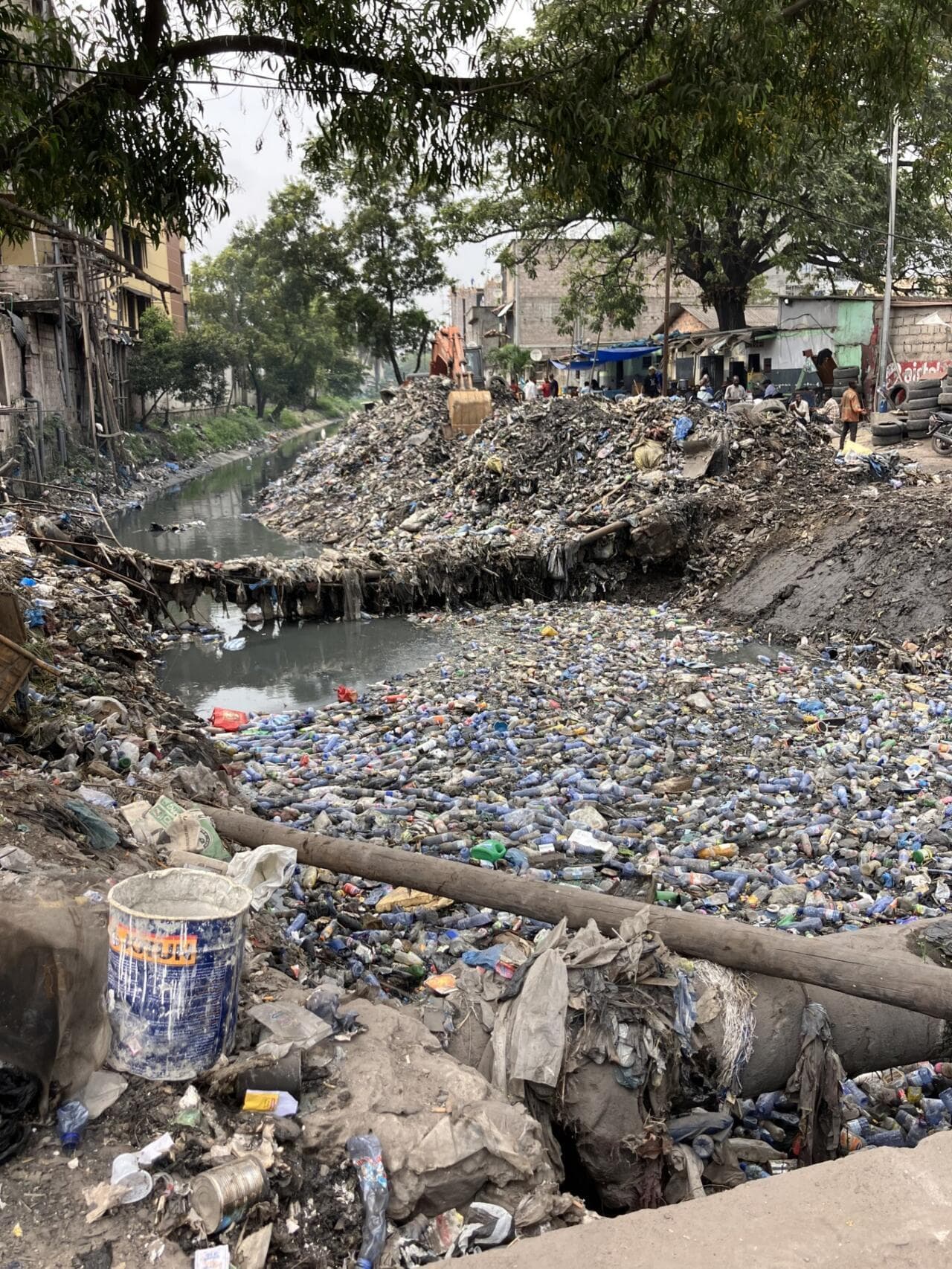
Public garbage collection and sanitation services exist solely on paper. A brief tour across the capital's 24 communes reveals a symbiotic proximity between the citizenry and unchecked filth, as though both sides had signed a non-aggression pact.
Beyond structural governance failures and administrative apathy, a significant portion of Kinois lack a foundational culture of hygiene and sanitation. Many comfortably inhabit squalid surroundings, readily tossing household waste and refuse directly into drainage gutters and rivers.
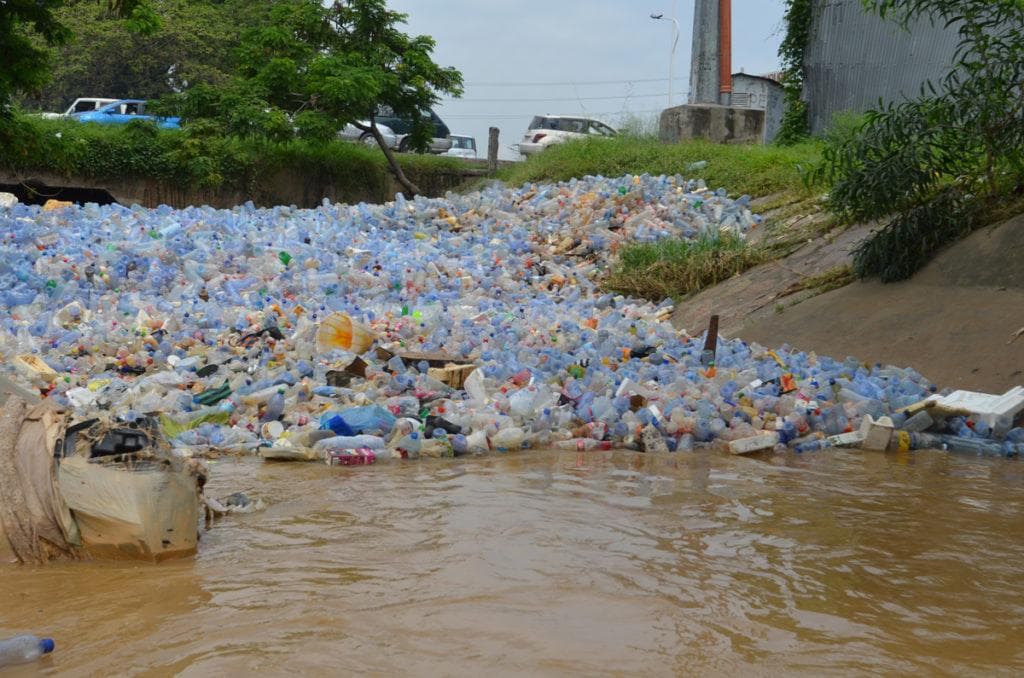
Plastic bags and synthetic debris choke waterways, triggering fatal floods during the rainy season.
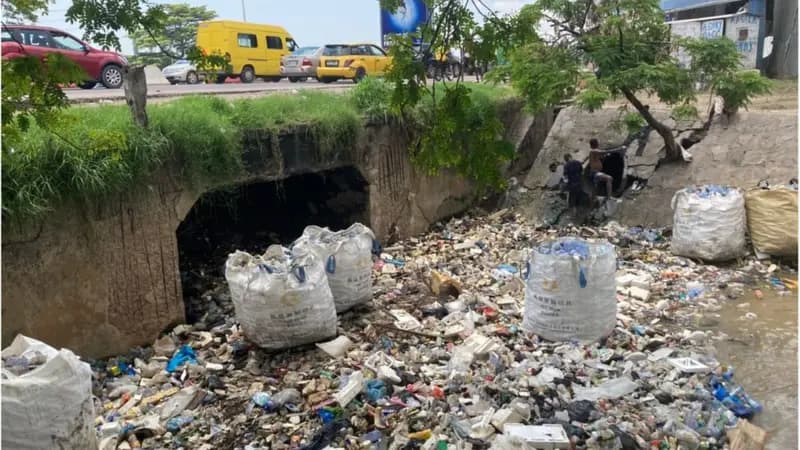
Even in affluent downtown districts like Gombe and other neighborhoods historically viewed as bastions of the Kinois bourgeoisie apartment blocks and residential compounds wait for downpours to purge their septic tanks straight into the open gutters.
It is worth noting that Kinshasa has experienced an unprecedented real estate boom in recent years. High-rises sprout everywhere like mushrooms, largely fueled by Indo-Pakistani, Chinese, and Lebanese investments, as well as capital from political elites close to power.
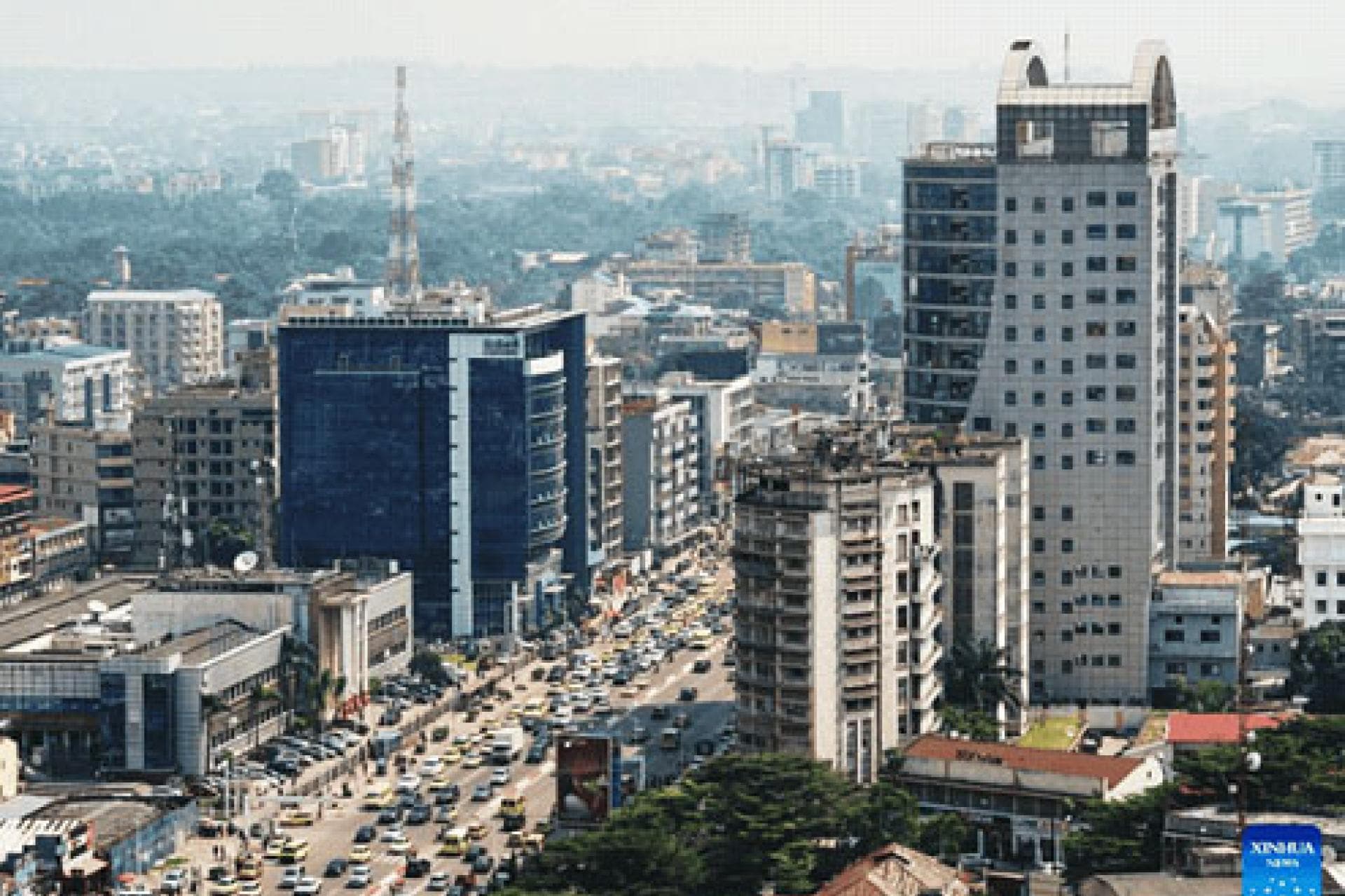
Regrettably, the vast majority of these constructions flout urban planning codes, with many erected without building permits under the passive, complicit, and complacent gaze of political and administrative authorities.
Deficient Infrastructure
Kinshasa completely lacks a functional firefighter service capable of tackling major blazes and urban catastrophes in a megacity of 18 million people.
When a fire breaks out in any of the 24 communes, residents are forced to resort to makeshift 'system D' improvisations, as the state proves utterly incapable of delivering this core public service.
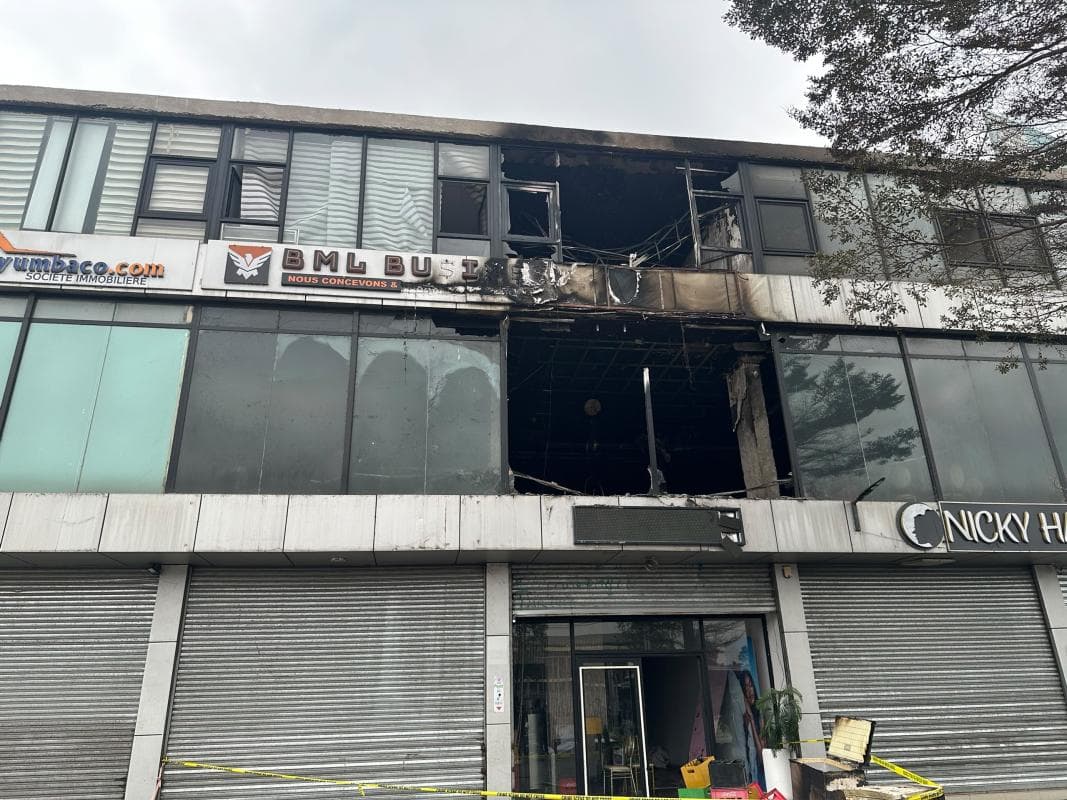
During the night from Friday to Saturday, September 5, 2026, 12 people perished in a fire that swept through a wedding banquet hall, fueled by the total absence of a rapid emergency response.
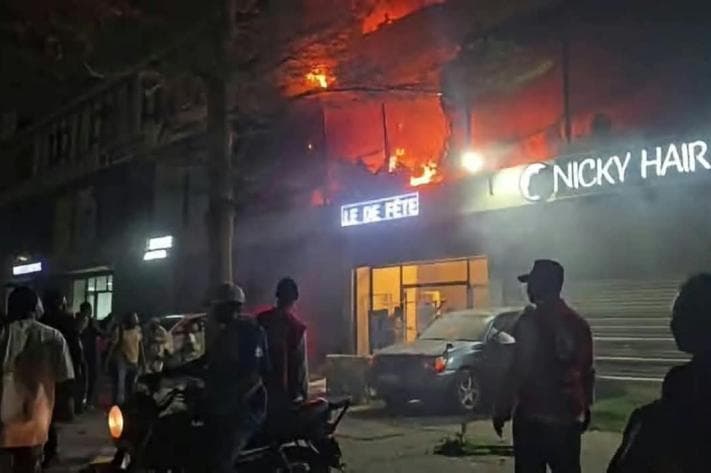
Public outrage was sharply amplified by the fact that the venue sat mere meters away from the Palais du Peuple (parliamentary seat), the Tembe Na Tembe administrative complex housing multiple ministries (including the Ministry of the Interior), the National Museum of the DRC, and the Central Africa Cultural Center a diplomatic gift from China to the DRC.
Beyond environmental decay, Kinshasa faces a severe transport and infrastructure crisis.
Commuting from point A to point B is an exhausting ordeal; monster traffic jams caused by crumbling roadways compound the daily strain of driver indiscipline and bureaucratic incompetence.
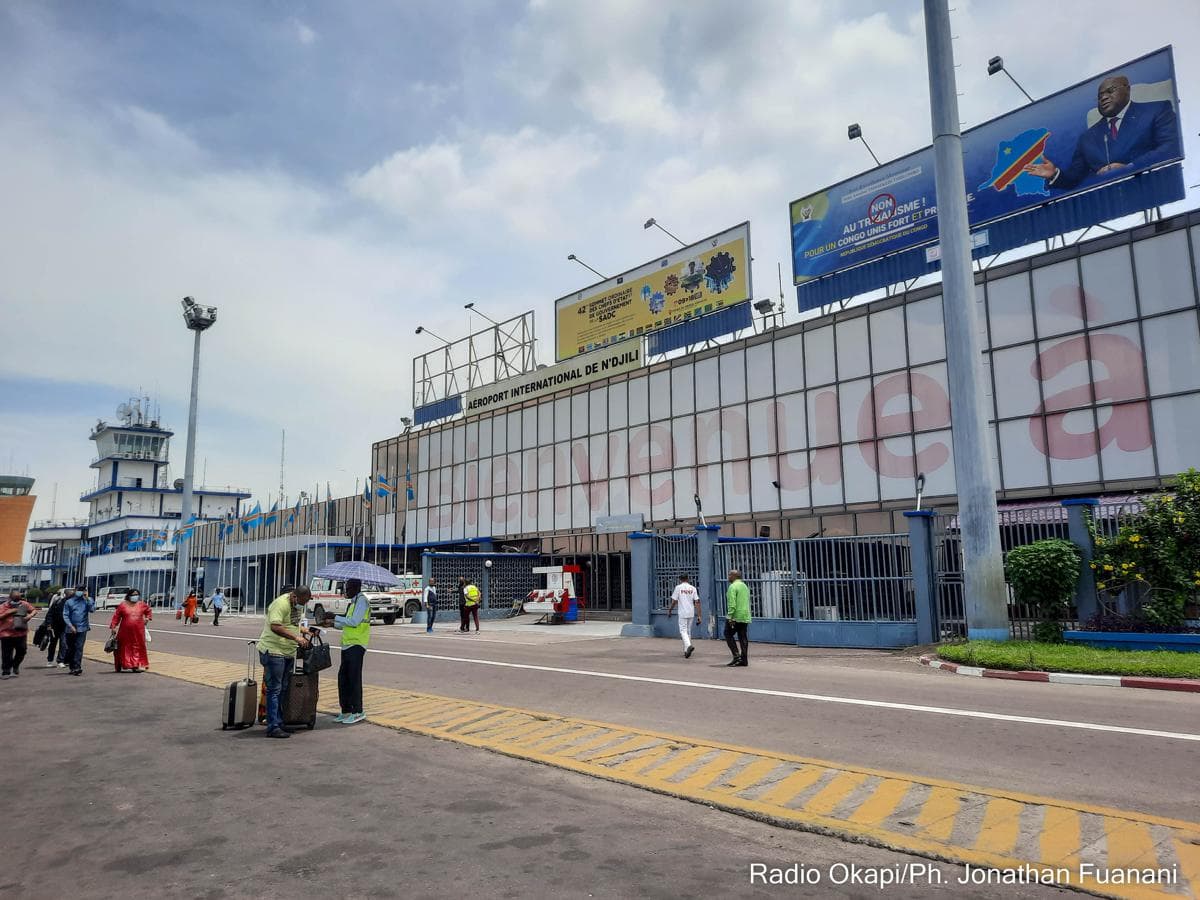
Kinshasa stands as a true mirror of national governance in the DRC. Its primary gateway, N'Djili International Airport, remains a stressful ordeal for travelers due to bureaucratic harassment, poor sanitary conditions, and widespread shakedowns.
Basked in heavy tropical heat, the city resembles an open-air prison for inhabitants who struggle daily to survive. Youth unemployment hovers around 80%, driving many into urban gang violence and criminality notably the feared Kuluna phenomenon which local authorities struggle to contain.
Barely a day passes without fresh, tragic reports of kidnappings and contract-style assassinations, with women increasingly targeted by escalating urban violence.
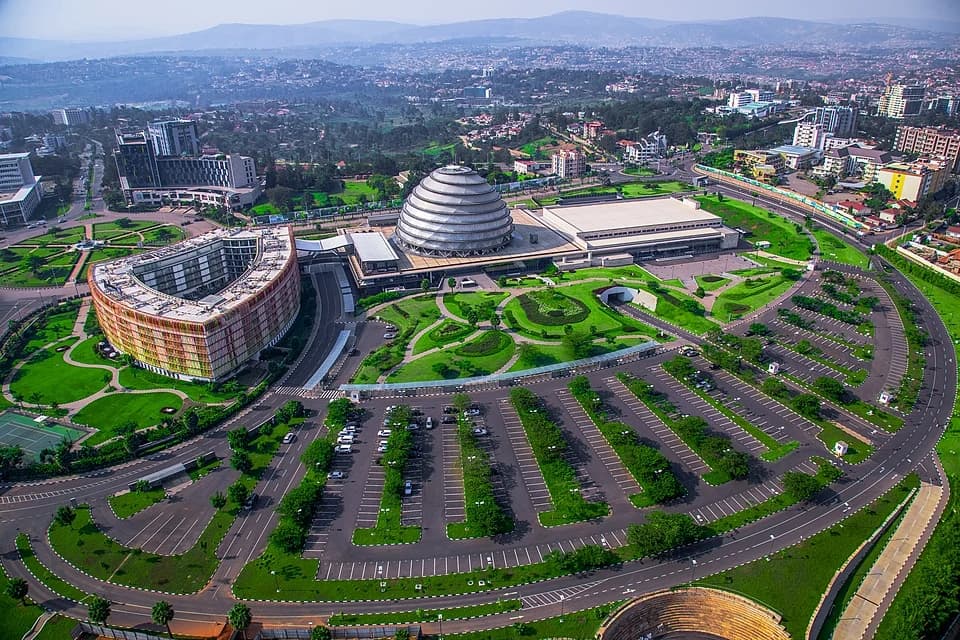
Compared to Kigali, Kampala, Nairobi, Arusha, and other regional capitals, Kinshasa remains the perennial outlier akin to an abandoned wife chained to an intoxicated and reckless partner.
Comments
Join in — no account needed.
No one has replied yet. Start the conversation.