
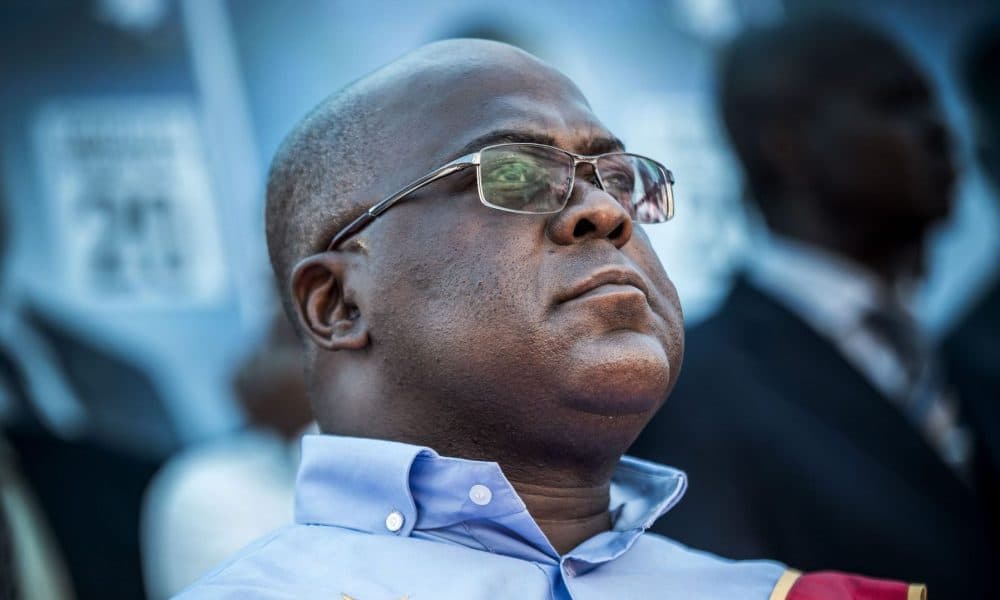
Félix Tshisekedi's vendetta against the Swahili-speaking populations of eastern DRC
Since taking power in January 2019, Congolese President Félix Tshisekedi, a native of the Kasaï region, has pursued a targeted campaign of purges against Swahili-speaking nationals from the eastern DRC, a broad swath comprising Katanga, North and South Kivu, Maniema, and Province Orientale.
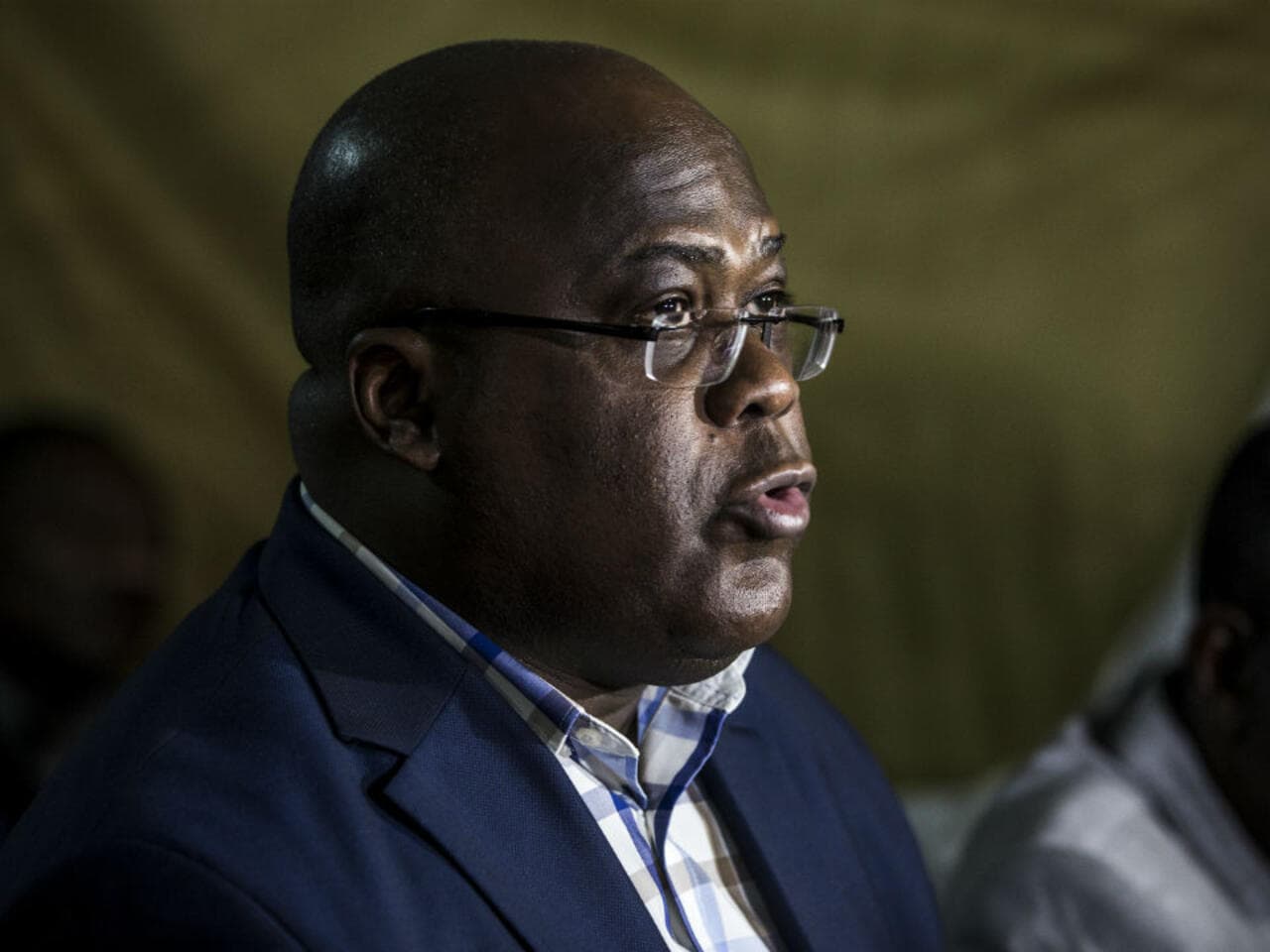
Historically, deep-seated rivalries have long persisted between the Swahili-speaking communities who inhabit the resource-rich lands of the DRC's interior and people from Kasaï, a region historically rich in diamonds that has since grown impoverished, driving a large-scale exodus of its population toward Katanga.
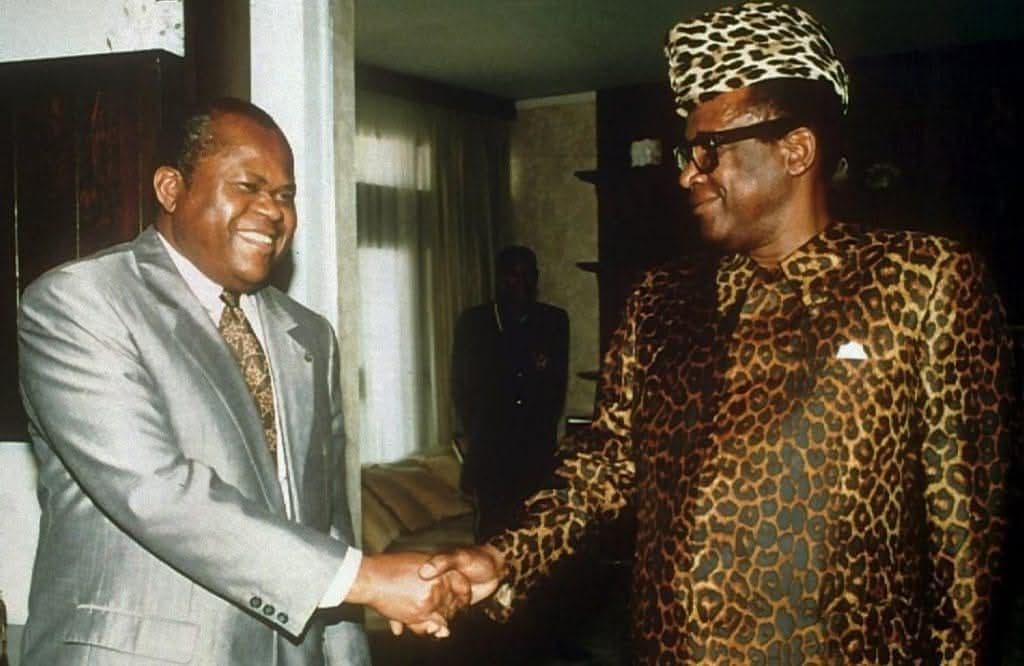
It was likewise Swahili speakers who brought an end to Mobutu Sese Seko's dictatorship in 1997. It is worth noting that Étienne Tshisekedi, the late father of the current president, was a co-founder of Mobutu's ruling MPR party before later shifting into the opposition.
Kimbambe Nshintwa, a former journalist attached to the presidency during the Mobutu era, has revealed that Étienne Tshisekedi maintained clandestine nighttime meetings with Mobutu while publicly presenting himself as a radical opposition figure.
Upon assuming office, his son Félix Tshisekedi promptly moved to imprison numerous politicians, military officers, and civil society figures hailing from the Swahili-speaking east, with some targeted in extrajudicial killings.
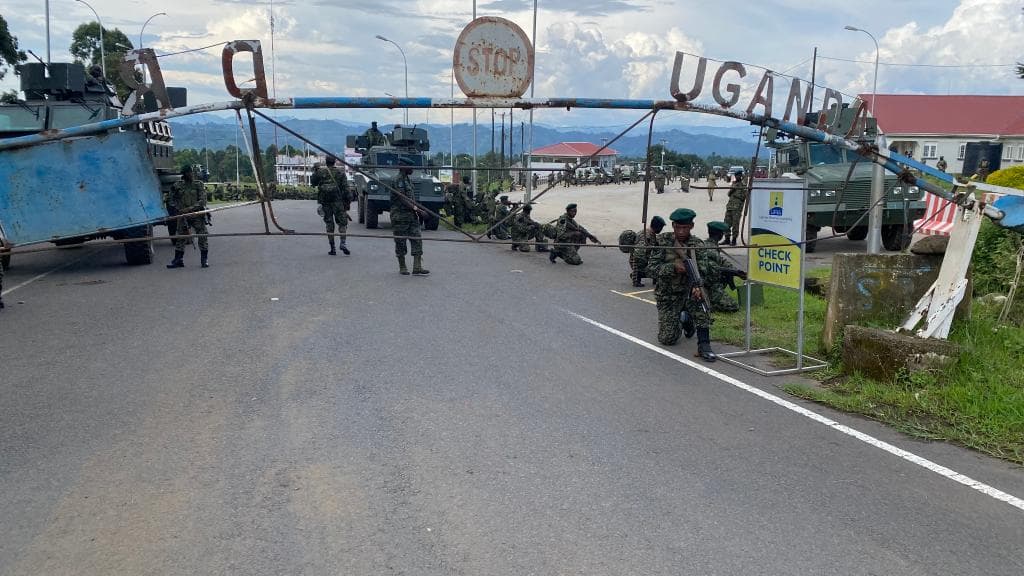
In late 2021, he unleashed a deadly conflict in the east after stringing along a delegation from the M23 movement for 14 months, following their invitation to Kinshasa from exile in Uganda.
Tshisekedi has weaponized public rhetoric, systematically sowing hatred against eastern Swahili speakers by branding them as Rwandan traitors or agents of Kigali.
Congolese Tutsis and Katangese have paid a heavy price under this climate.
Massive, indiscriminate bombardments target densely populated Congolese Tutsi areas in North and South Kivu, while Kinshasa has forged alliances with the Democratic Forces for the Liberation of Rwanda (FDLR) a militia with roots in the 1994 Rwandan genocide alongside the Burundian army and Colombian mercenaries.
In Katanga, another Swahili-speaking stronghold, Tshisekedi has imposed an unprecedented degree of oppression, persecution, and demographic engineering.
Katanga's mineral wealth is tightly controlled and plundered by the presidential family, while a systematic, planned demographic shift is underway to resettle the region with populations from Kasaï, the president's home region.
Following the fall of Goma and Bukavu, Tshisekedi ordered punitive measures against eastern populations by shutting down regional banks in an apparent bid to cripple the local economy.
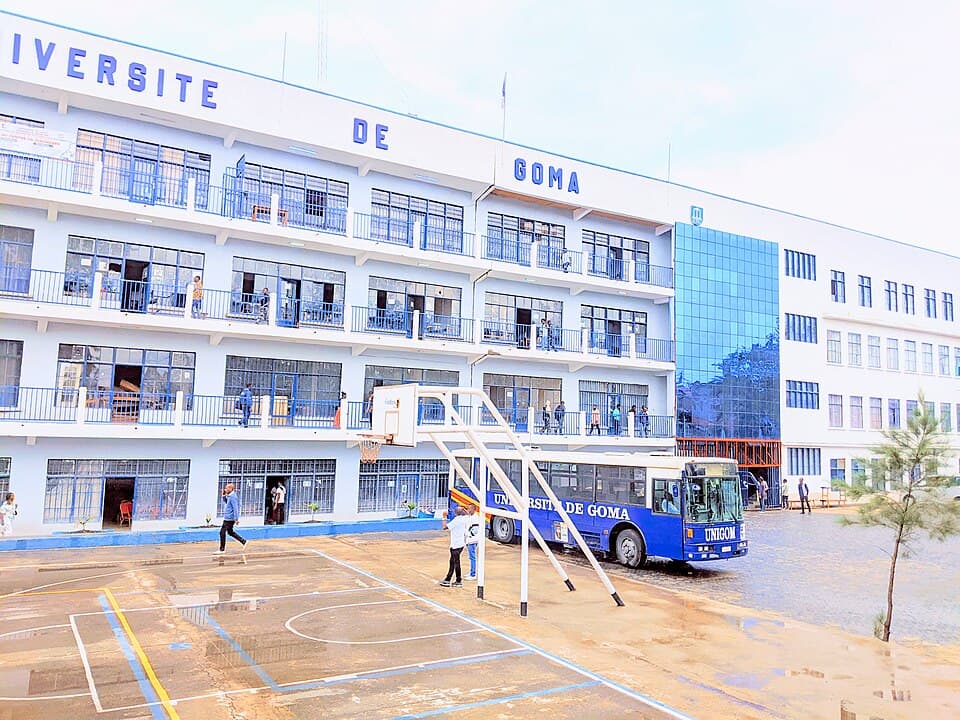
More recently, Kinshasa has taken aim at the region's youth by suspending higher education institutions and banning universities in the east from operating under the current regime.
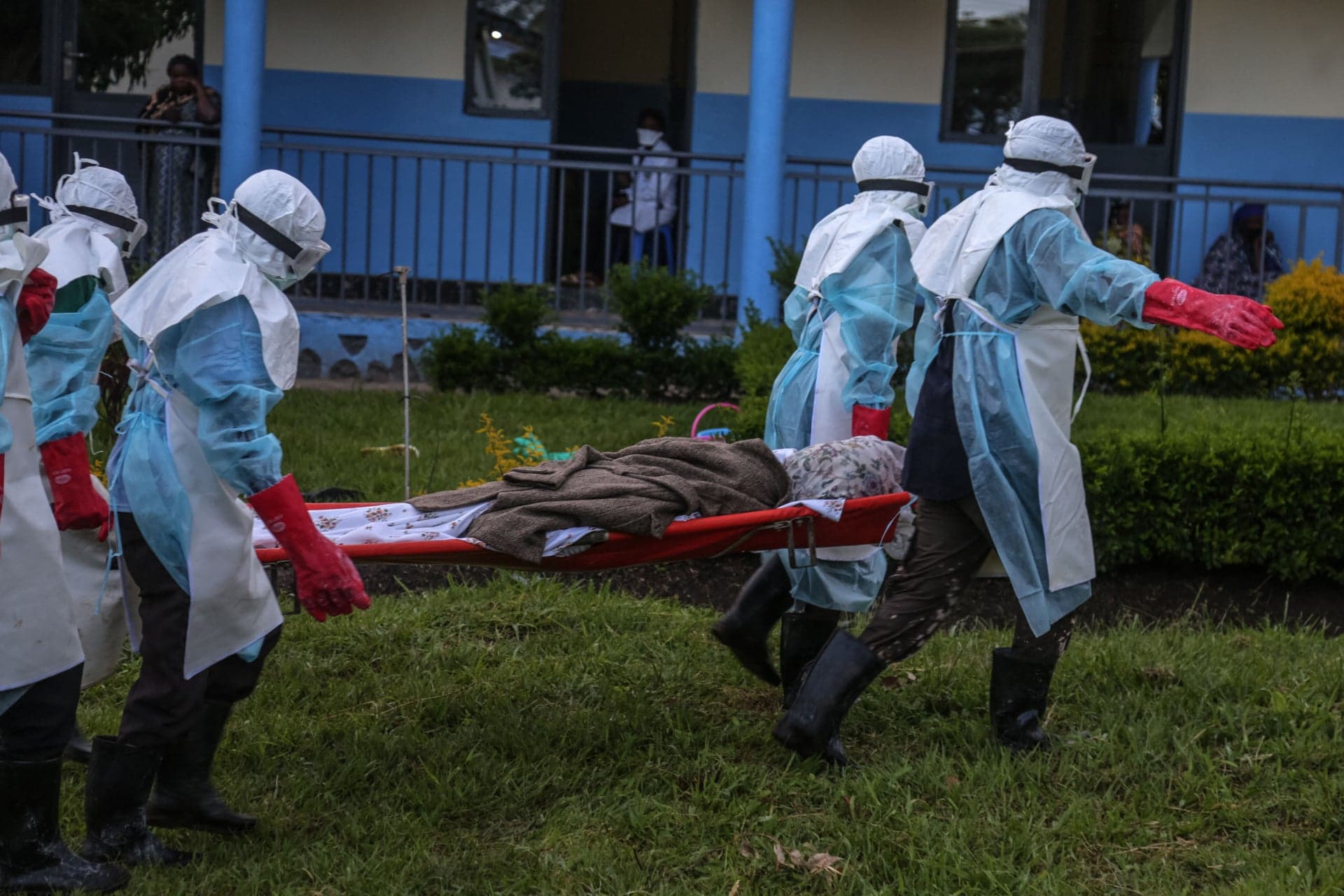
During the resurgence of the Ebola virus, Kinshasa flatly refused any collaboration or data-sharing requested by the AFC/M23 coalition, rejecting scientific coordination for a joint public health response.
These developments are hardly coincidental; they stem from a deep-seated animosity harbored by Tshisekedi and his inner circle toward Swahili speakers, whom they view as hostile and fundamentally opposed to his rule.
Some sources even suspect that the ongoing fires in regions under AFC/M23 control may have been engineered by Kinshasa a thesis that cannot be discounted given the regime's openly hostile posture toward the Swahili-speaking east.
Comments
Join in — no account needed.
No one has replied yet. Start the conversation.