
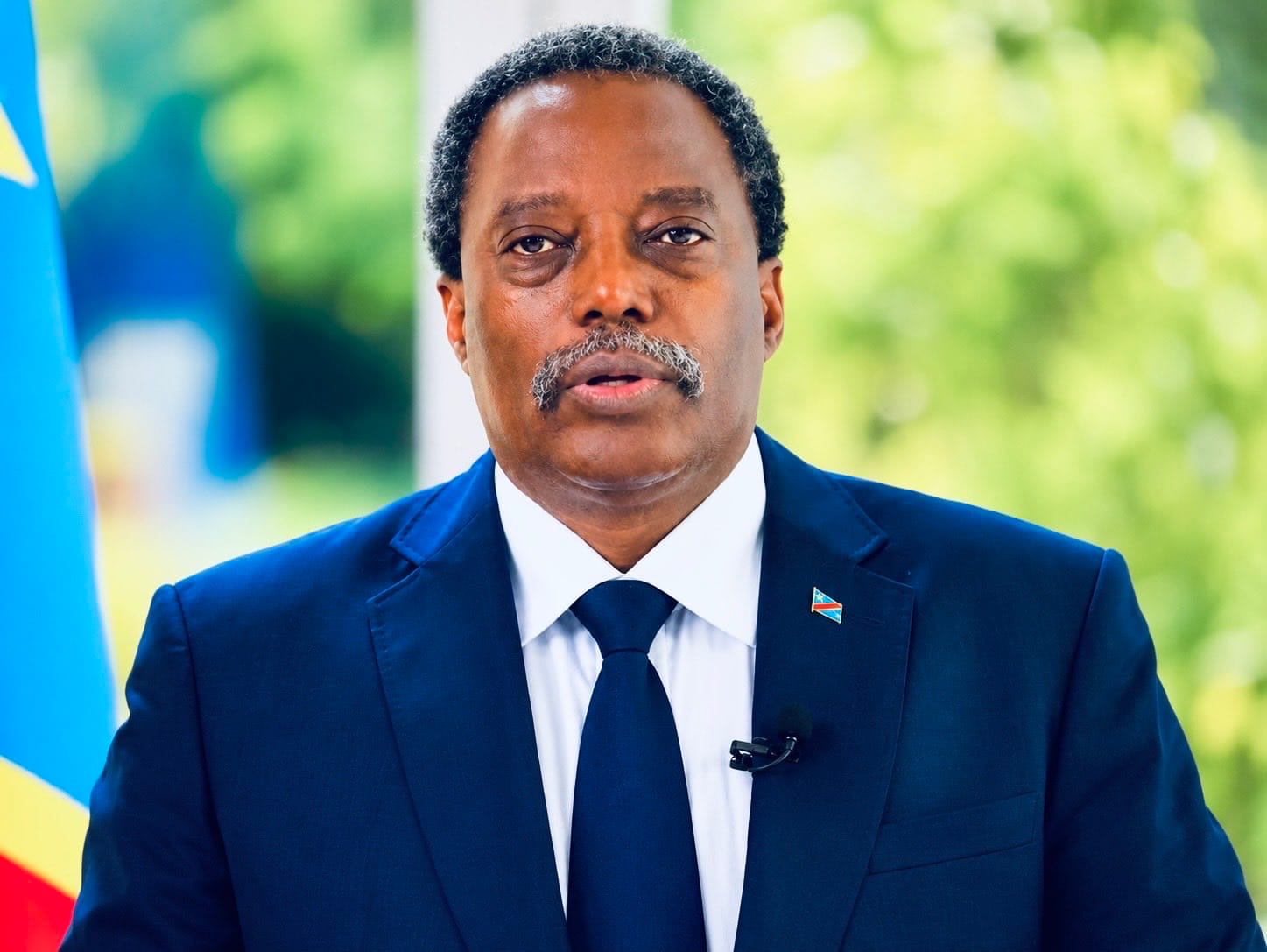
Dr Joseph Kabila's diagnosis and warning
Former president Joseph Kabila Kabange has once again painted a very bleak picture of the situation in the Democratic Republic of Congo, a country that has become a laughing stock around the world because of an irresponsible cartel currently at its helm. He called on all Congolese to take part in a general mobilisation to put an end to this mafia, which he says has taken more than 100 million Congolese hostage.
On Friday 9 October 2026, the Democratic Republic of Congo almost came to a standstill as word spread of a speech by former president Joseph Kabila Kabange, who led the country for 18 years before peacefully handing power to Félix Tshisekedi in January 2019.
His voice is rarely heard, and when he speaks, the whole of the DRC listens, from the head of state to the young money changer in Matete, Kinshasa, and the fishermen of Malemba Nkulu.
As in his May 2025 address, the former president focused on matters of life and survival for the Congolese nation. He resorted to neither insults nor threats, and avoided any excess.
His speech was an accurate diagnosis of the state of the DRC in 2026, a country he found divided and torn apart in 2001, and which he reunified and pacified, while also equipping it with democratic institutions and a stable, competitive macroeconomic framework.
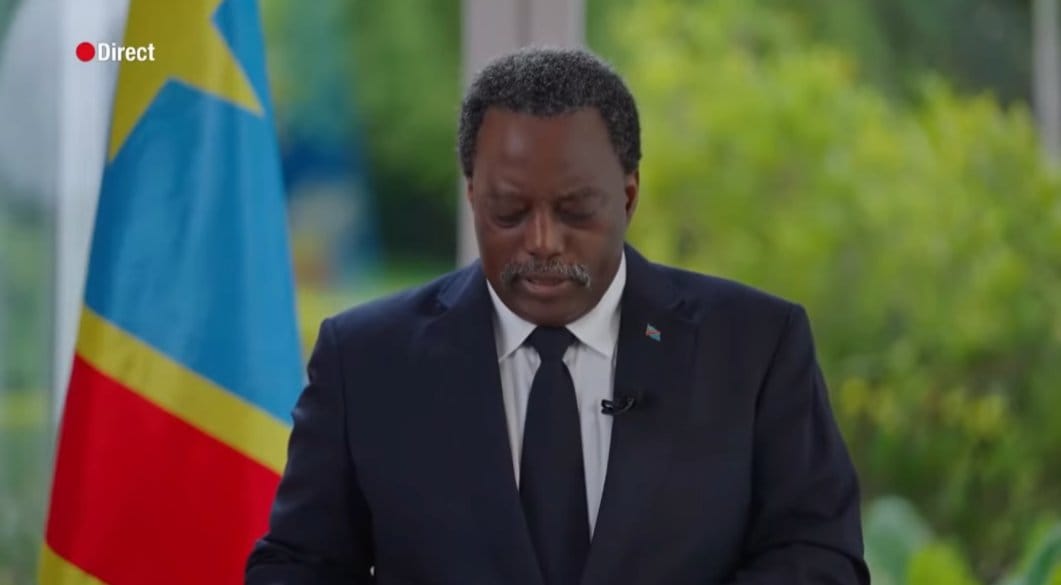
The key points of his speech
1️⃣ The DRC, he says, is in danger of imploding
Joseph Kabila believes the country is going through a deep crisis that threatens its national unity, its stability and its very existence as a state. He considers that the situation has deteriorated sharply since the political transfer of power in January 2019.
2️⃣ An accusation of authoritarian drift
The former president accuses Félix Tshisekedi of governing according to his personal will rather than in line with the Constitution. He condemns what he describes as tyranny, as well as tribalism, nepotism, discrimination and the use of institutions for political ends.
3️⃣ The military strategy in the east comes under fierce criticism
Kabila accuses the government of pursuing a war he believes cannot be won. He points to insufficient progress in negotiations, breaches of the Doha ceasefire and alleged collaboration with several armed groups, including the FDLR and the Wazalendo.
4️⃣ A national, inclusive dialogue is presented as essential
He accuses the authorities of rejecting dialogue initiatives put forward by various regional and international organisations, as well as the one led by the CENCO and the ECC. In his view, the refusal to talk is blocking the search for a lasting political solution to the Congolese crisis.
5️⃣ Human rights violations condemned
The former head of state cites arbitrary arrests, the detention of soldiers and opposition figures, and attacks on the freedoms of journalists, activists and ordinary citizens. He also denounces killings and massacres which, he says, are not adequately prosecuted.
6️⃣ Corruption, debt and mining contracts at the heart of the criticism
Kabila condemns the embezzlement of public funds, contracts he considers unfavourable and the surge in public debt. According to his speech, borrowing now exceeds 18 billion dollars, and he argues that the management of strategic minerals threatens national sovereignty and the future of coming generations.
7️⃣ Firm opposition to any change to the Constitution
He accuses the presidential camp of seeking to amend the Constitution and to call into question the republican pact that emerged from the Sun City dialogue. He points in particular to parliamentary work on a draft law on referendums and to campaigns in favour of constitutional change.
8️⃣ He says the current government has lost its political legitimacy
Kabila accuses the president and his entourage of putting the retention of power ahead of the public interest. He also criticises institutions and political leaders he sees as too compliant towards the head of state, at the expense of their constitutional role.
9️⃣ A warning against overconfidence in the minerals deal with the United States
The former president argues that the critical minerals agreement signed with Washington does not guarantee the Congolese authorities unconditional political backing. He reminds listeners that agreements between states bind those states, regardless of the regimes in power.
🔟 A call to mobilise and a political announcement to come
Kabila urges Congolese people to take their destiny into their own hands in the face of what he describes as a national emergency. He says he will set out, within hours, days or weeks, his vision of the action needed to save the Democratic Republic of Congo.
Comments
Join in — no account needed.
No one has replied yet. Start the conversation.