
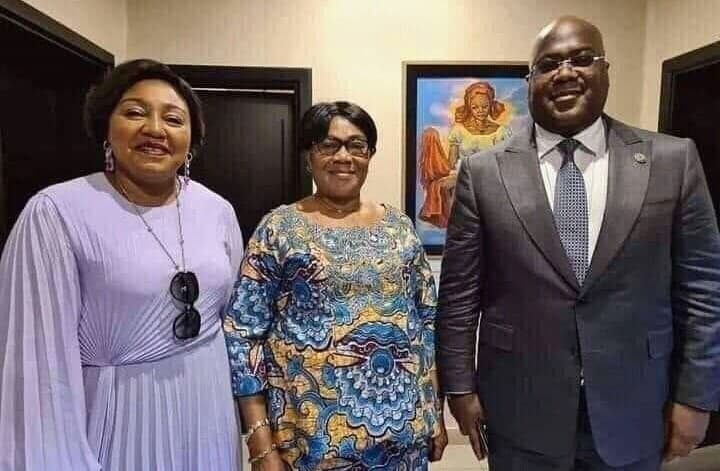
THE KATANGA OPPRESSORS
Katanga is enduring a form of colonisation in the twenty-first century. President Félix Tshisekedi has implemented a well-structured strategy designed to weaken, intimidate, and silence the people of Katanga, allowing for the intensified plundering of their resources for the benefit of his family, as well as to fuel his lethal agenda targeting eastern DRC and Rwanda.
The Congolese President, Félix Tshisekedi, has established a system of modern-day slavery targeting the people of Katanga, a region of immense wealth and strategic importance to the Democratic Republic of the Congo.
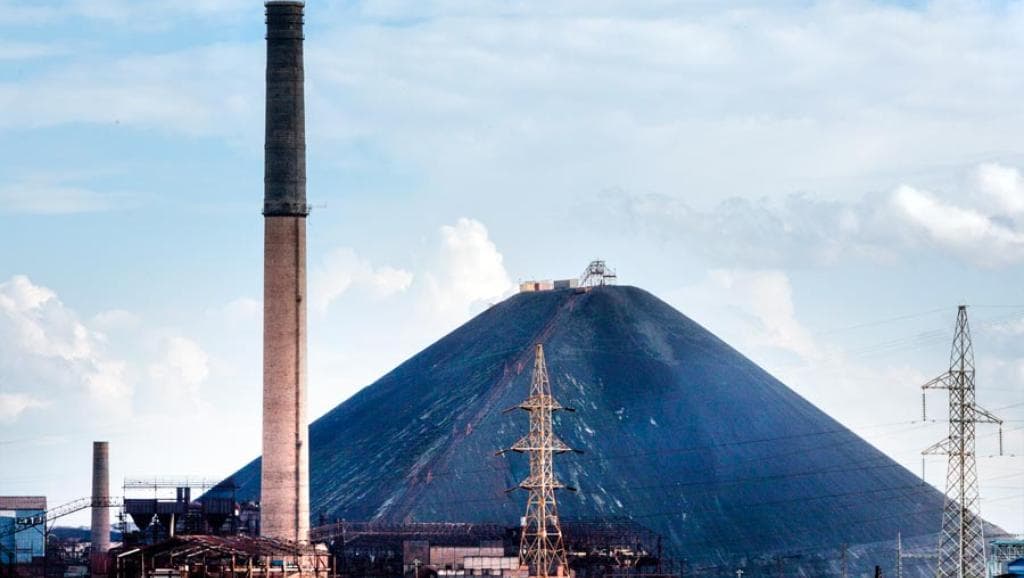
To achieve this, he implemented a population-engineering policy, displacing thousands of individuals from his native Kasaï region to settle in Katanga.
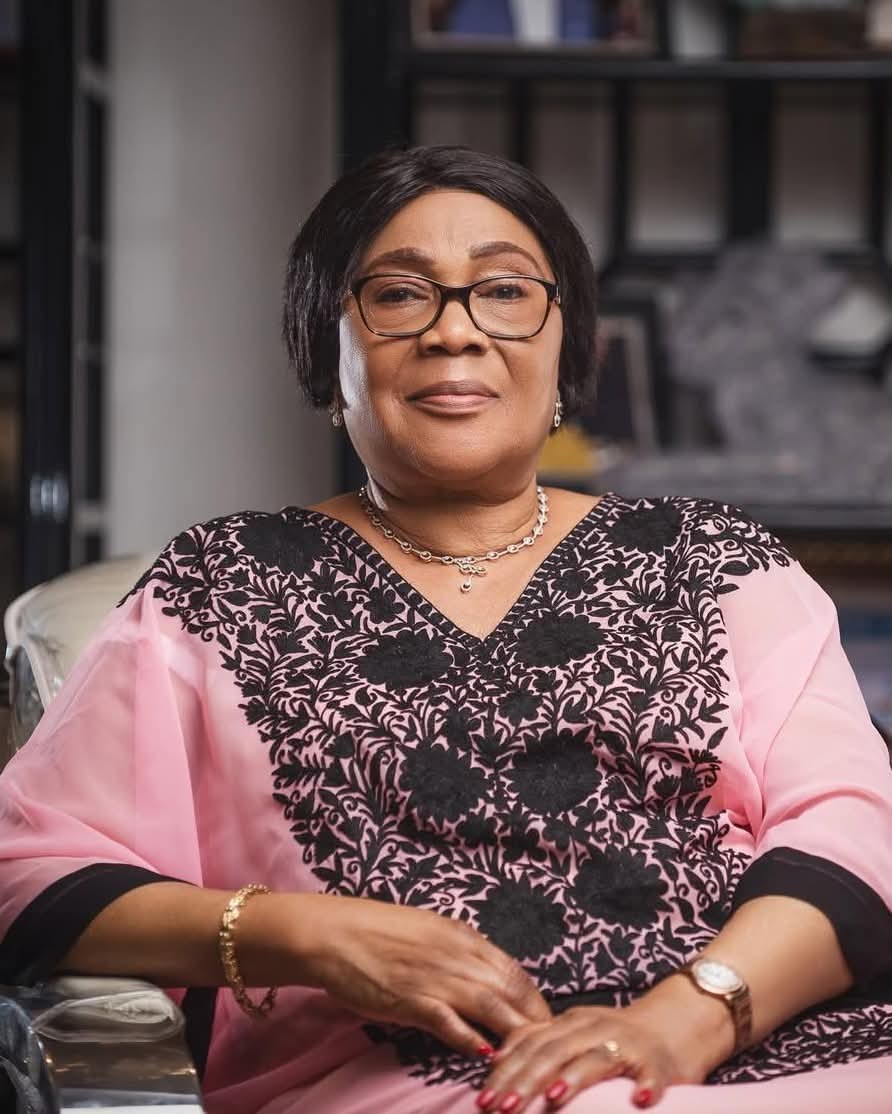
His immediate family including his mother, brothers, and in-laws has seized total control of mineral extraction across Katanga.
It is vital to underscore that the population of Kasaï, from which the president originates, views Katangais as adversaries and hostiles to be neutralised.
President Félix Tshisekedi has fostered an atmosphere of terror in Katanga designed to intimidate and persecute the local population, thereby securing unhindered dominion over their mineral wealth.
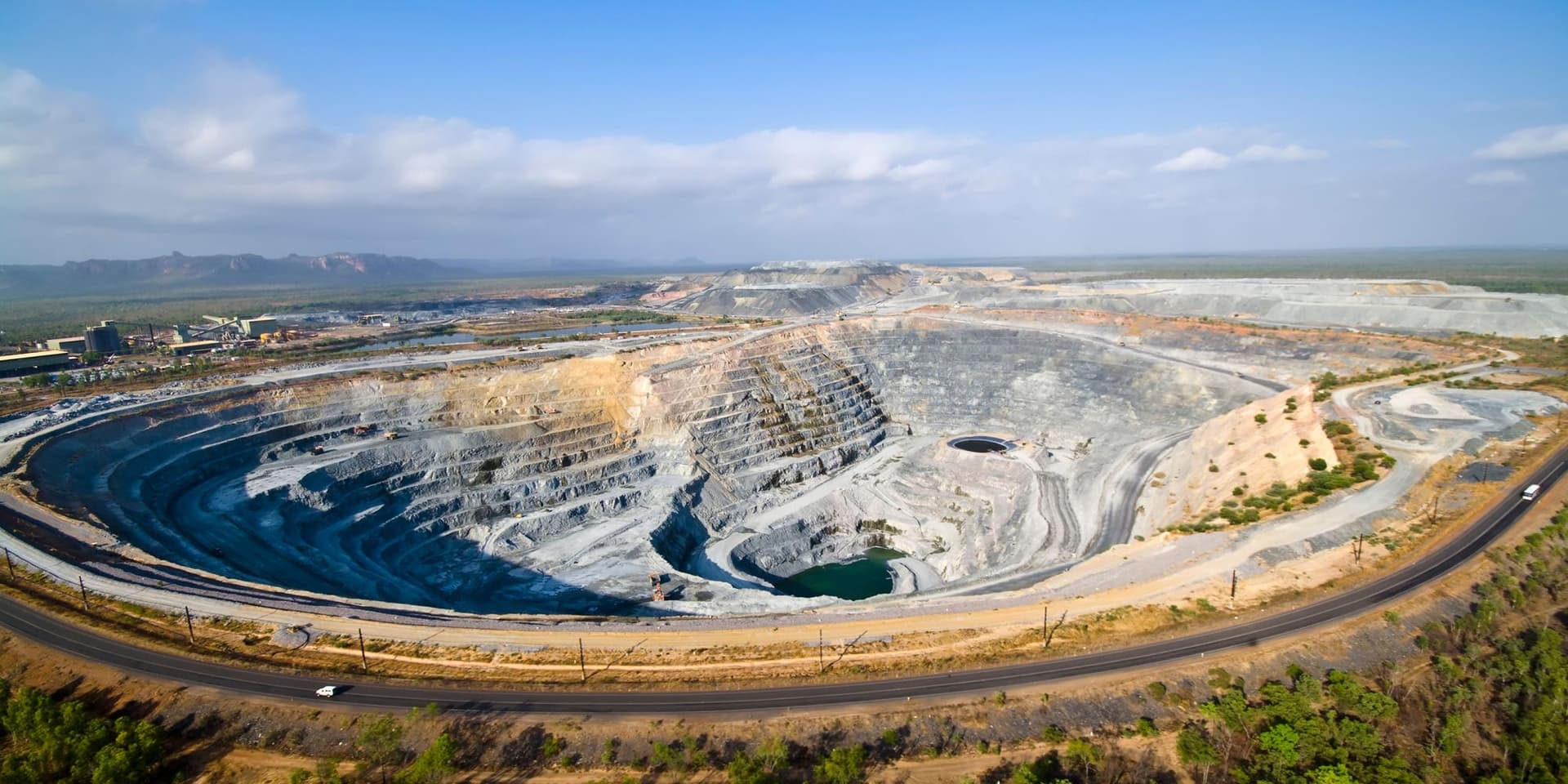
“Katanga accounts for 70 per cent of the DRC's entire economy. ”
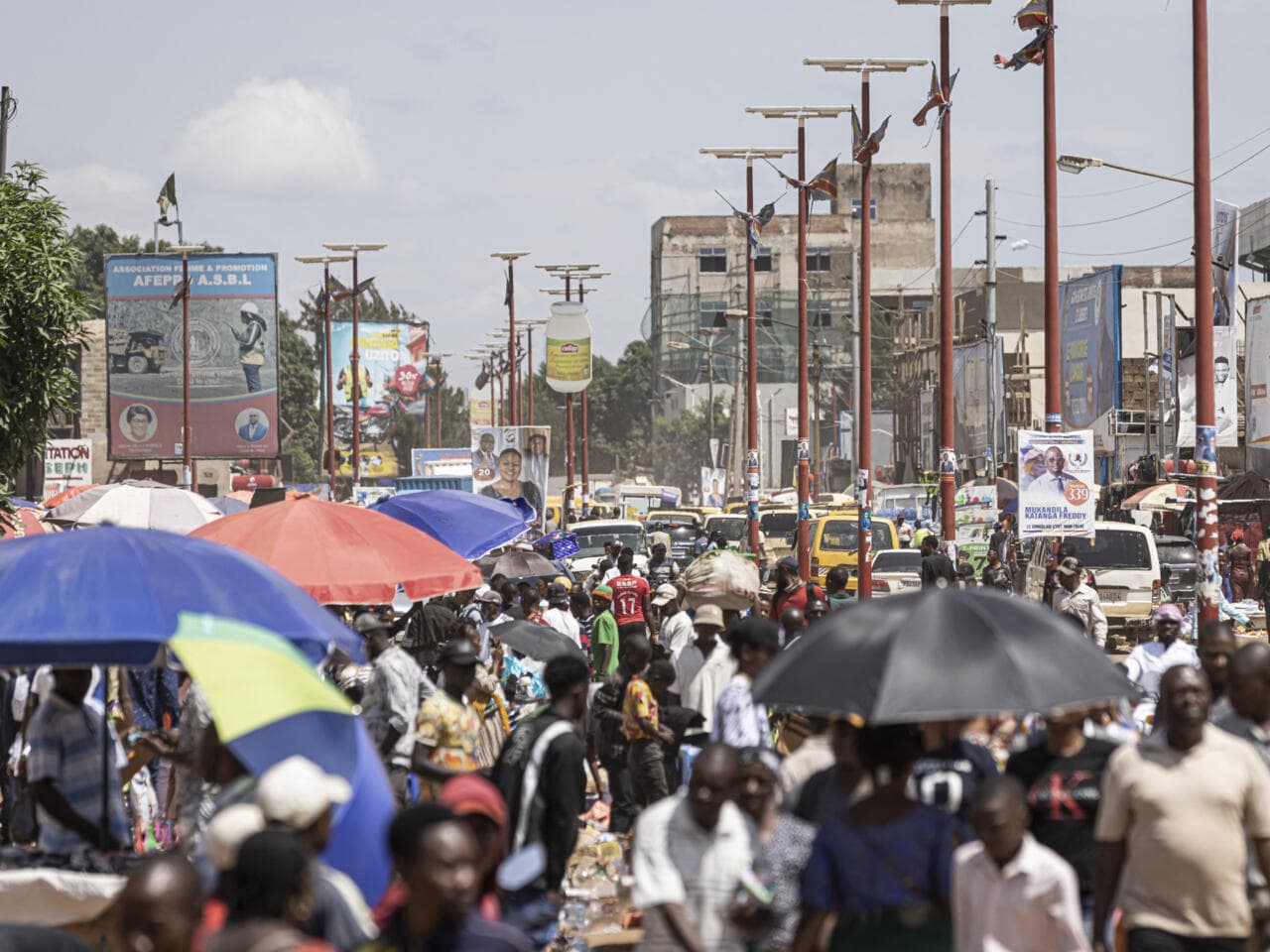
Yet, despite these staggering riches, the people of Katanga endure abject poverty, suffering from a glaring lack of infrastructure and basic social services.
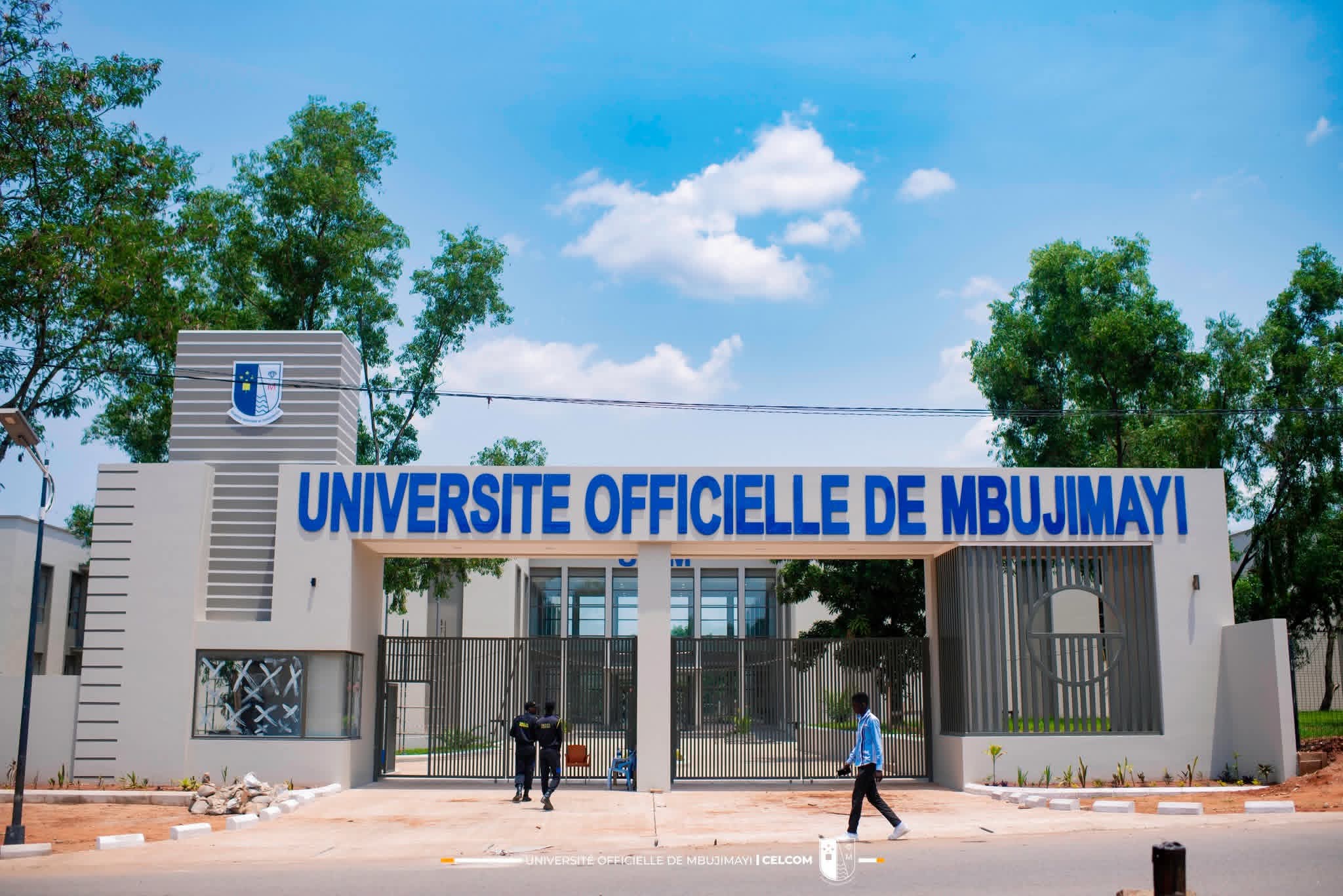
Félix Tshisekedi has engineered an opaque financial architecture ensuring that revenues generated from Katangese minerals are siphoned off to construct roads, airports, and universities in his home region of Kasaï.
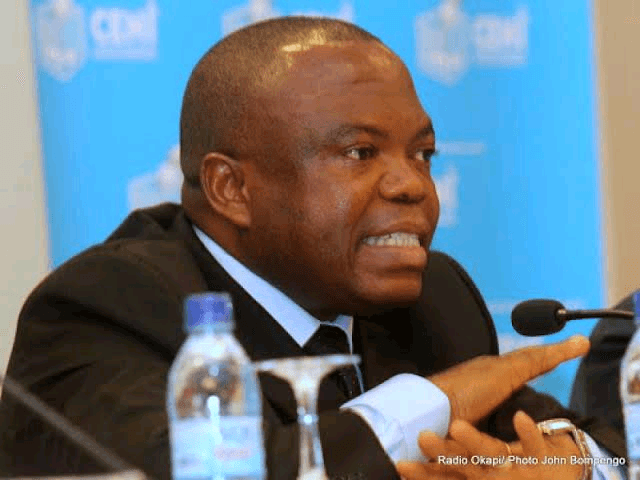
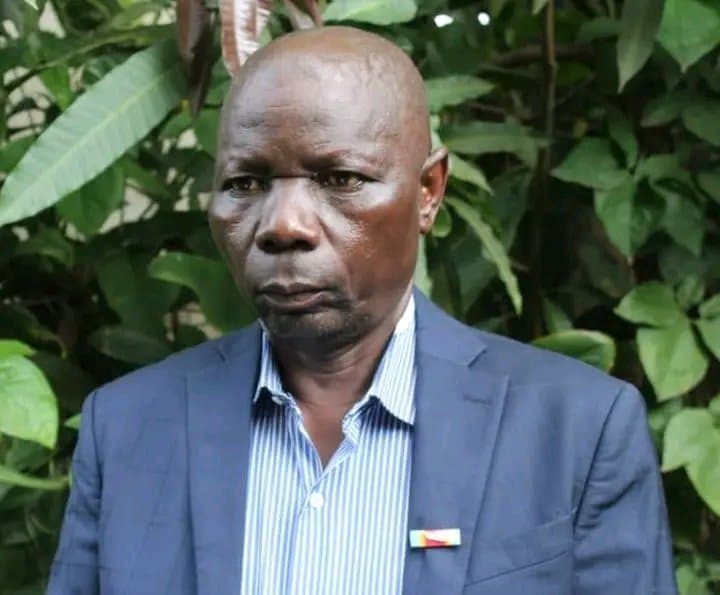
Furthermore, the Tshisekedi regime has operationalised a strategy of political co-optation, bribing and buying off traditional chiefs across Greater Katanga to secure their endorsement and influence for its constitutional overhaul agenda.
Those traditional leaders who resisted these overtures have faced targeted intimidation and suspicious deaths.
Since assuming power, the president has also ordered or sanctioned a series of brutal crackdowns and massacres throughout Katanga.
- On 27 April 2021, 22 students were gunned down in La Rwashi, a township in Lubumbashi.
- On 13 August 2022, 37 youths were killed in Kolwezi.
- On 23 March 2023, 66 youths perished in Kilobelobe, a district of Lubumbashi.
- On 18 August 2024, 17 civilians were slaughtered in the Katangese locality of Kilwa.
- Most recently, on 16 January 2026, 13 youths were massacred in Bukama.
Concurrently, Katangais are subjected to a systematic purge within the armed forces, the national police, and other security services.
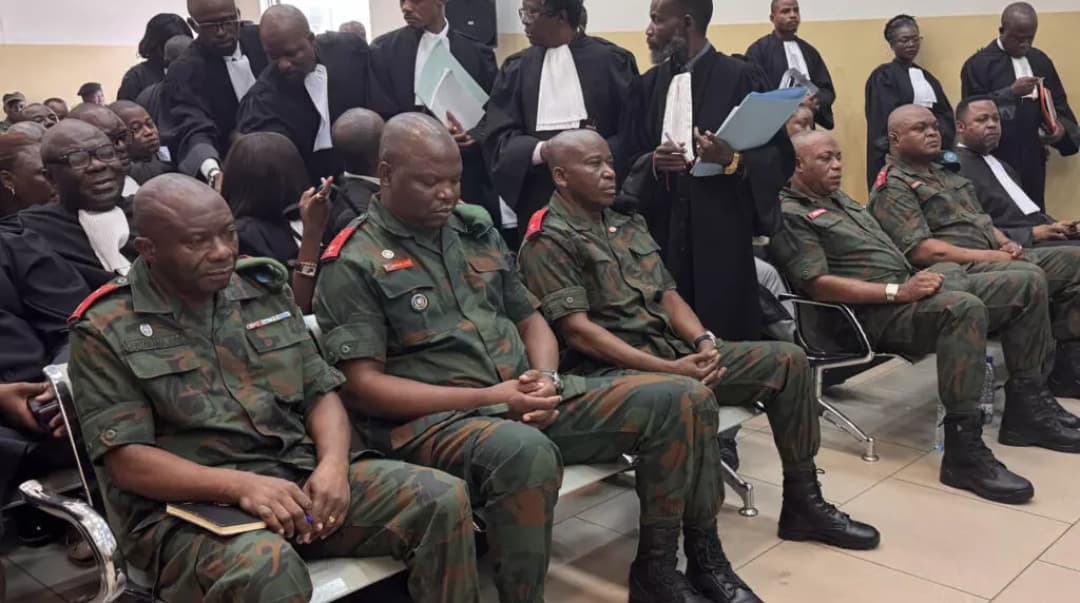
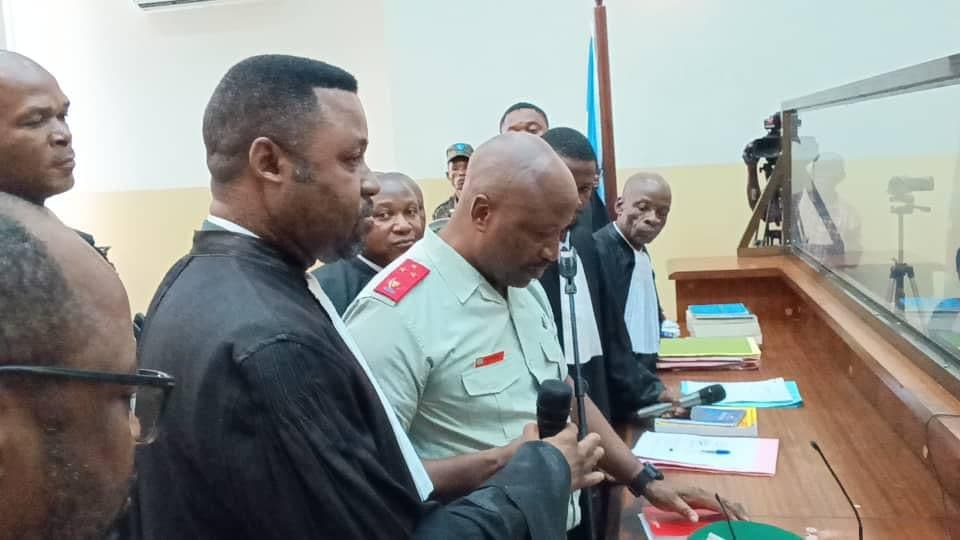
Numerous senior military and police officers hailing from Katanga fill the prisons of Kinshasa, routinely falling victim to elaborate conspiracies hatched within the regime's inner sanctums.
Among the persecuted Katangese leadership is Pastor Daniel Ngoy Mulunda, who was abducted in Zambia and remains held in secret detention. To date, there is no proof of life, even though he was gravely ill at the time of his arrest.
Another prominent case is that of Raphaël Mututa, former president of the Katanga Foundation, alongside hundreds of others who have been detained for months without access to legal visits or a judicial hearing.
Political figures and civil society activists from Katanga face routine humiliation, arbitrary arrest, detention, and, in many cases, forced exile.
To cement his stranglehold over Katanga, Félix Tshisekedi has engineered a system whereby elected officials and regional leaders originate from his home region.
Consequently, one finds Kasaïans heading the Haut-Katanga Provincial Assembly, the mayoralty of Lubumbashi, and various ministerial portfolios in Lualaba and Tanganyika a reciprocity entirely absent in reverse.
Governors and regional authorities across the Katanga space answer first and foremost to the president's biological family, facilitating the allocation of mining concessions to members of his tribal and political clan.
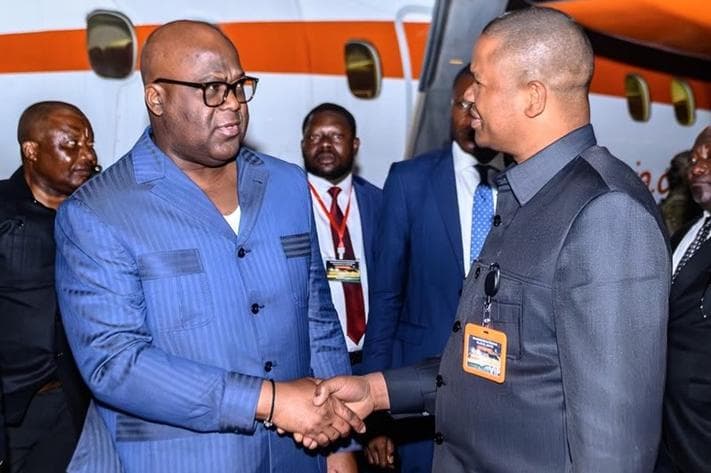
Mineral subcontracting is reserved exclusively for Kasaïans, as is artisanal mining, which is predominantly carried out by young men brought in through the planned demographic exodus from Kasaï to Katanga.
Today, the people of Katanga are suffocating under the yoke of an overwhelming force and a calculated strategy designed to break their spirit, weaken their resolve, and reduce them to bondage in order to streamline the pillage of their natural resources.
An unprecedented military apparatus has been deployed across Katanga by the Tshisekedi administration to crush all dissent, given that Katanga's revenues remain the primary financial engine enabling Kinshasa to bankroll its ongoing war in the eastern DRC.
International human rights watchdogs have maintained a deafening silence, as have the United Nations, the African Union, and regional bodies.
“Facing this bleak reality, only collective awakening, immense courage, and the unwavering determination of the Katangese people to liberate themselves remain indispensable. When Katanga rises, it will spell total deliverance for the entire Congo.”
Comments
Join in — no account needed.
No one has replied yet. Start the conversation.