
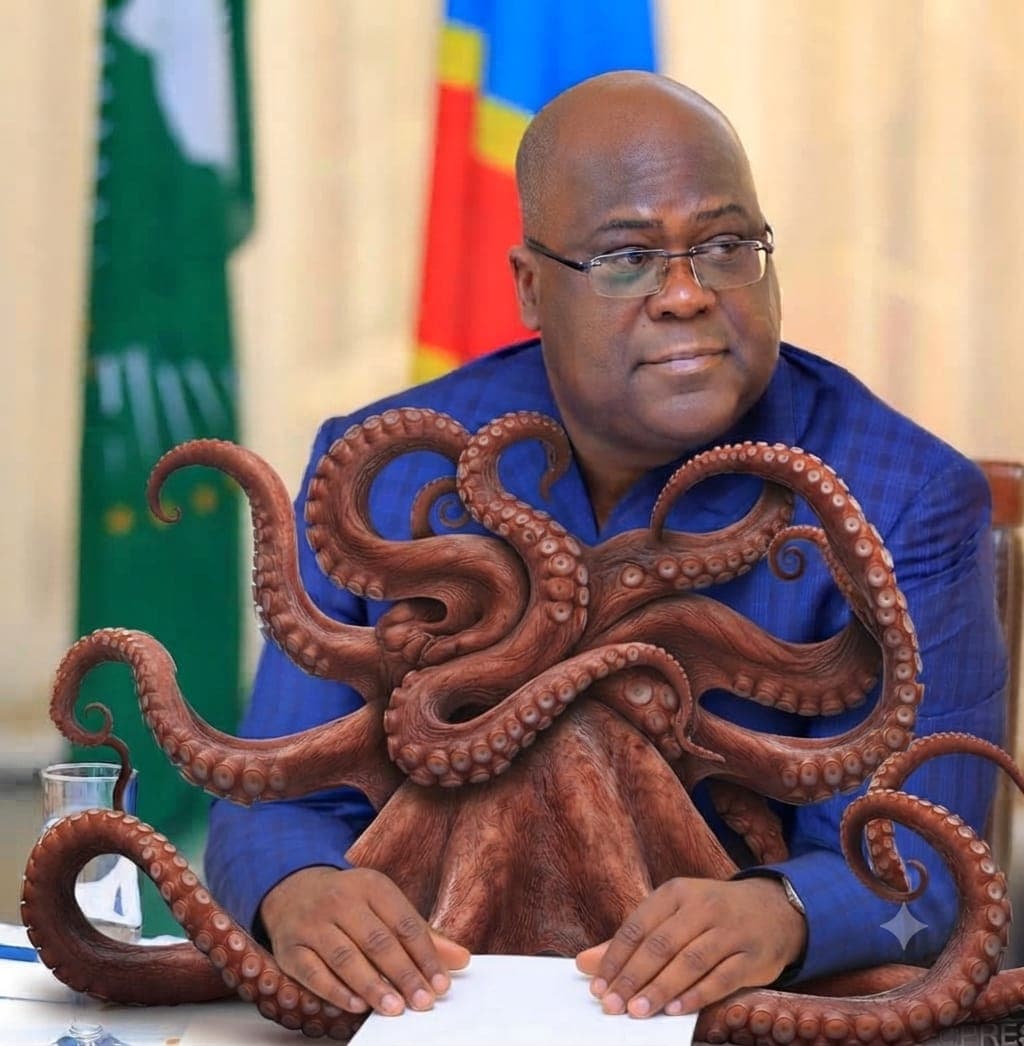
The Tentacles of Félix Tshisekedi
The Kinshasa regime has implemented a corruption strategy targeting the DRC's neighboring countries, the media, and international organizations to get them to endorse and support its narrative against Rwanda.
Since taking power in 2019, Félix Tshisekedi's administration has progressively institutionalized a targeted policy of repression aimed primarily at dissenting voices and political opponents.
At the core of this security strategy, Swahili-speaking populations particularly individuals from the Kivu and Katanga regions face generalized suspicion. This authoritarian drift relies on a judicial and police apparatus characterized by a standardized charge: alleged collusion with the Alliance Fleuve Congo (AFC) and the M23, an active eastern rebel movement that Kinshasa systematically links to neighboring Rwanda, frequently in disregard of formal evidentiary requirements.
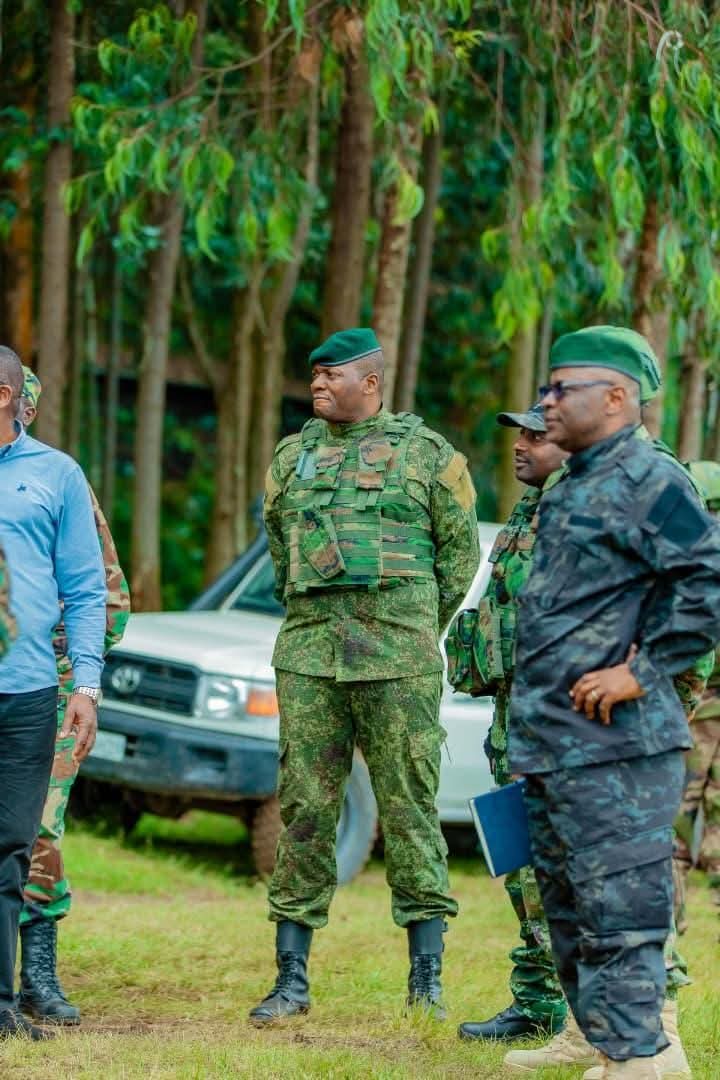
In the prisons of Kinshasa, cases continue to accumulate. Civilian dignitaries and military officers languish in arbitrary detention, victims of political purges disguised as national security dossiers. Furthermore, political opposition and freedom of expression are no longer merely targeted within national borders; they are subject to a systematic cross-border manhunt.
The Long Arm of the ANR and DEMIAP in the Sub-Region
Fueled by the National Intelligence Agency (ANR) and military intelligence (DEMIAP), Congolese security services have extended their repressive reach beyond national boundaries. Through tacit or active cooperation with several neighboring states notably Zambia, Burundi, and Tanzania Kinshasa has successfully neutralized exiled opponents and activists.
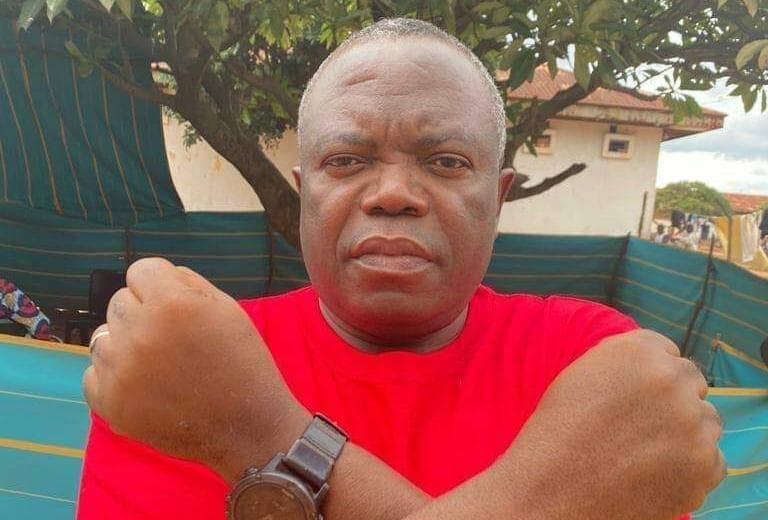
Zambian precedents have left a lasting mark: several opposition figures originating from Katanga were mysteriously detained before being extrajudicially extradited to Kinshasa. Notable cases include the emblematic figures of Pastor Daniel Ngoy Mulunda and young Hugo Muteba, who were wrenched from their safe havens in blatant disregard of international conventions on refugees.
This operational modus operandi was subsequently replicated in Burundi. Burundian authorities arrested Congolese humanitarian worker and historian Benjamin Babunga. Currently held in arbitrary detention in Bujumbura, he suffers the fate reserved for those whom Kinshasa suspects, without verifiable grounds, of intelligence with Rwanda.


The net tightened further on Sunday, August 30, 2026, in Tanzania. Influencer and former Kinshasa regime spokesperson Denise Dusauchoy, who had fallen out of favor, was arrested by Tanzanian intelligence services acting in seamless coordination with their DRC counterparts. This arrest highlights the total permeability of national sovereignties to Kinshasa's security demands.
These developments demonstrate the extent to which continental governments disregard the fundamental aspirations of their people. The African Union, much like regional economic communities, too often operates as a syndicate of heads of state, forging a purely criminal solidarity at the expense of suffering civilian populations.
This rollback of freedoms finds a particularly grim echo in Tanzania. Once a sanctuary and bastion of pan-Africanism championed by Julius Nyerere, the country has undergone a troubling shift under Samia Suluhu. The suppression of protest movements illustrated by the severe casualties of post-electoral crises and the ongoing imprisonment of major opposition figures such as Tundu Lissu transforms a former refuge for the persecuted into an additional cog in sub-regional authoritarianism.
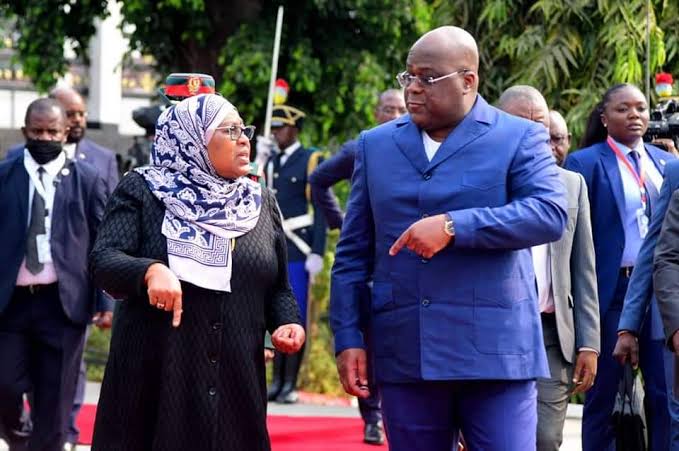
As borders open to political police forces while closing to democrats, the entire architecture of human rights in Central and East Africa is faltering, exposing the absolute vulnerability of any citizen who dares displease the presidential palaces.
Comments
Join in — no account needed.
No one has replied yet. Start the conversation.