
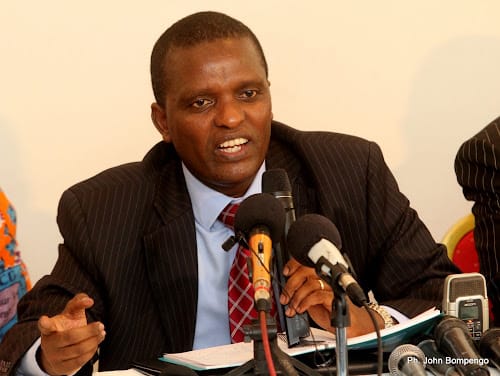
Yes, former Vice-President Azarias Ruberwa is absolutely right: Swahili speakers and Congolese Tutsis are victims of unprecedented hatred
Seventy per cent of the inmates in Kinshasa's prisons are military officers and civilians who are Swahili speakers or Tutsis, the vast majority accused of working for Rwanda. Many have been arrested simply because of their physical appearance.
Azarias Ruberwa, former Vice-President of the Democratic Republic of Congo, has recently denounced a policy of systematic hatred and discrimination, orchestrated by the Kinshasa government, against Swahili speakers and the Banyamulenge.
His remarks have stirred a range of reactions among Congolese public opinion. The Kinshasa regime, its supporters and the journalists sympathetic to its cause have flatly rejected the former vice-president's statements, branding him a "Rwandan", as they do with everyone who opposes their rule.
What is the reality on the ground?
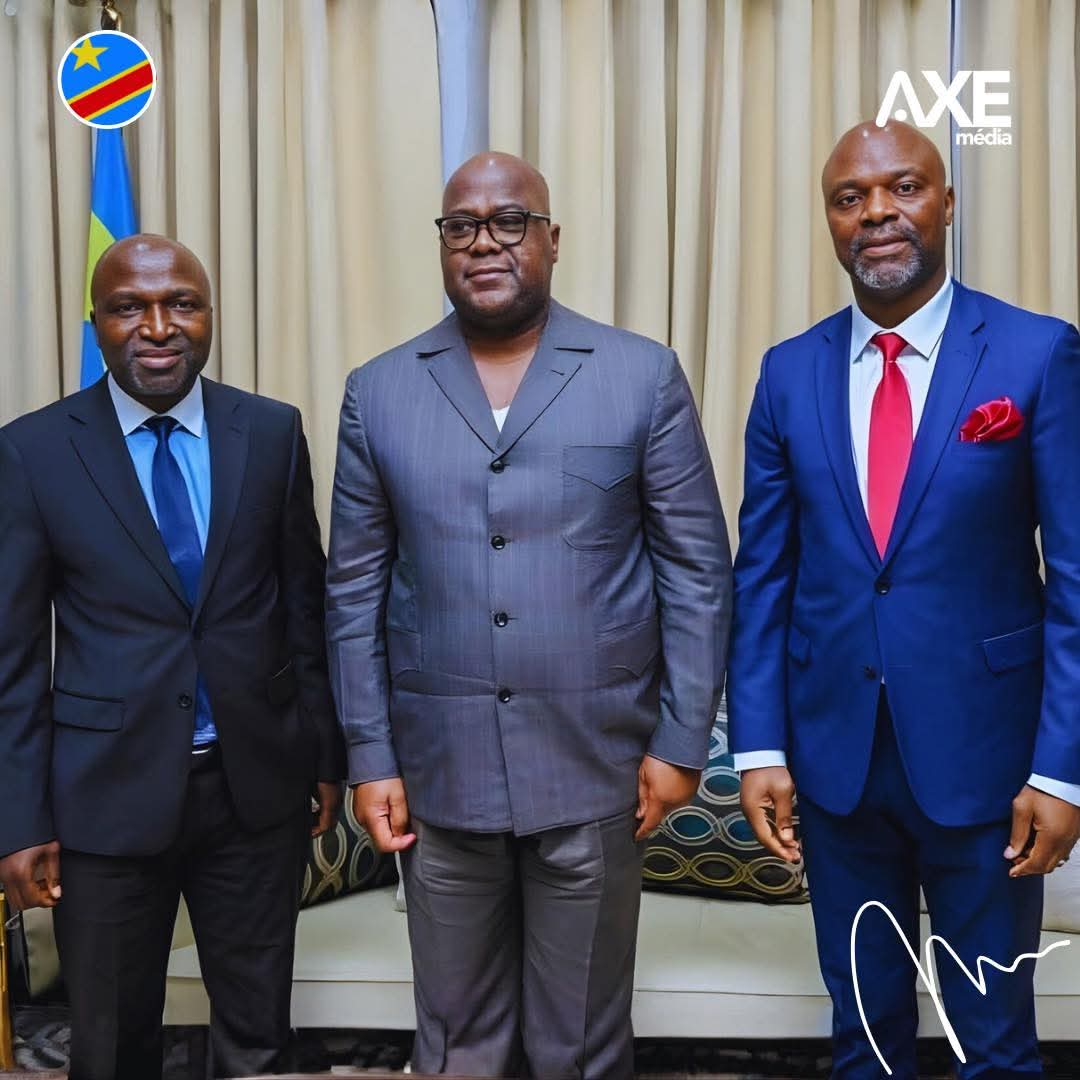
Since Félix Tshisekedi took office as president of the DRC in 2019, a veritable purge has been carried out within the army (FARDC), the Congolese National Police and other security services, targeting officers from the east of the country.
Long before the crisis in the east flared up again between Kinshasa and the AFC/M23, a number of officers found themselves behind bars or removed from their posts, very often on trumped-up charges, and replaced by officers from Kasaï, President Tshisekedi's own home region.
It must also be said that President Tshisekedi has made tribalism a mode of governance across every sector: 70% of appointments go to people from his native Kasaï.
The policy of hatred and discrimination against Swahili speakers and Congolese Tutsis has worsened since the resurgence of the AFC/M23, a Congolese politico-military movement that Kinshasa wrongly attributes to Rwanda, even though its leaders are well known to be Congolese.
Kinshasa has put in place a systematic policy of hatred towards people from the east, who are branded traitors and "Rwandans". All Swahili speakers and Congolese Tutsis are labelled Rwandan, while journalists and influencers close to those in power openly call for their killing and massacre.
The Tshisekedi regime's hostility towards Swahili speakers is also reflected in punitive measures against the people of North and South Kivu, notably the closure of banks. The aim is plain: to make these populations suffer by strangling the economy of areas under AFC/M23 control.
Kinshasa has also recently ordered the closure of higher education institutions and universities, in a bid to jeopardise the future of young people from the east of the DRC.
Every day, the Kinshasa government bombs Congolese Tutsi and Swahili-speaking civilians indiscriminately. Masisi, Rutshuru and above all Minembwe are targeted by Congolese drones and fighter jets, which kill civilians and even slaughter their livestock.
“Seventy per cent of the inmates in Kinshasa's prisons are military officers and civilians who are Swahili speakers or Tutsis, the vast majority accused of working for Rwanda. Many have been arrested simply because of their physical appearance.”
Former Vice-President Azarias Ruberwa is absolutely right: his assessment matches the truth and the reality on the ground. Swahili speakers and Congolese Tutsis are victims of a policy of hatred and discrimination, and of a will to exterminate them.
“The international community must put pressure on Kinshasa, because the instinct for survival will one day push these communities to take steps to place themselves permanently out of harm's way in the face of this hatred.”
Comments
Join in — no account needed.
No one has replied yet. Start the conversation.