
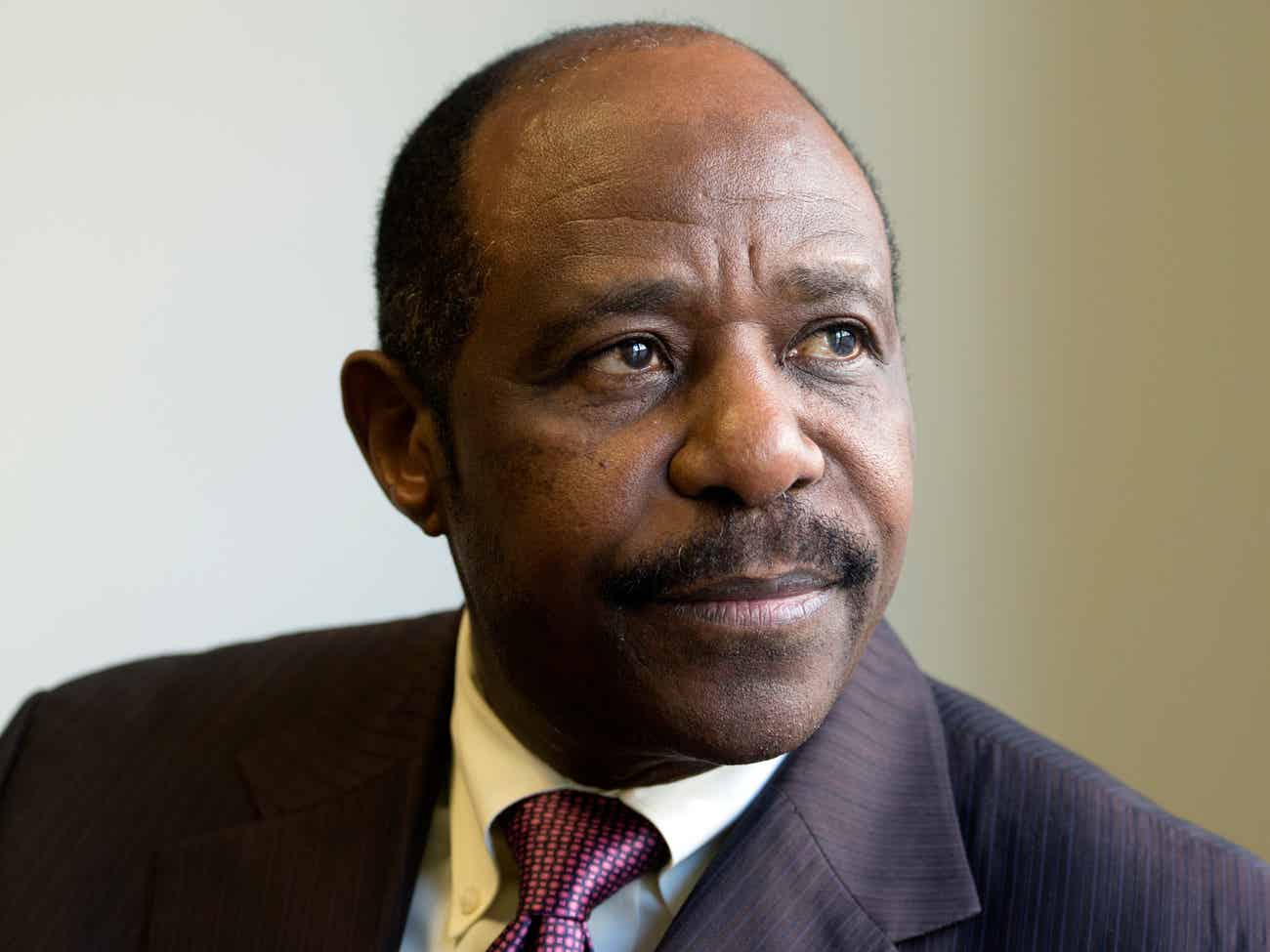
Paul Rusesabagina: From Hero to Manipulative Zero
It is unthinkable that a man who claims to have saved lives during the genocide would slander and demonize, around the world, those who put an end to it, and, worse, align himself with those who carried it out. The case of Paul Rusesabagina is, quite simply, troubling.
Column by Congolese activist Lunda Mulongo Lem's-Pierre
During the 1994 genocide against the Tutsi in Rwanda, Paul Rusesabagina was assistant manager, and later manager, of the Hôtel des Mille Collines in Kigali. He sheltered and protected some 1,268 people, Tutsi and moderate Hutu, who had taken refuge in the upscale hotel in the capital.
“Thanks to his influence, his connections and his cunning in dealing with extremist militias and the government forces of the day, he kept those holed up inside from being massacred. His story inspired the acclaimed Hollywood film Hotel Rwanda (2004), which portrays him as a humanitarian hero.”
It is true that survivors he sheltered praise his actions at the hotel. But several witnesses, survivors and victims' groups, including Ibuka, have challenged his image as a "hero," accusing him of sometimes charging for rooms or overstating his role at the expense of others.
After leaving Rwanda in 1996, he settled in Belgium, became a fierce critic of Kagame's government and co-founded an opposition movement, the MRCD, whose armed wing, the FLN, was involved in attacks.
“Rusesabagina quickly fell into the trap of hubris. Intoxicated by a fame he owed to recognition from Kagame's government, he came to see himself as a superstar courted by Rwanda's enemies, going so far as to forge terrorist alliances aimed at destabilizing the country's democratic institutions. It is an affliction that, sadly, plagues a number of African civil society figures. Dr. Denis Mukwege of the Democratic Republic of Congo is one example.”
In 2020, he was arrested thanks to the efficiency of Rwanda's security and intelligence services, and in 2021 a Rwandan court sentenced him to 25 years in prison on terrorism charges. He was ultimately pardoned and released in March 2023, after more than 30 months behind bars, thanks to President Kagame's clemency and flexibility, even though the evidence against him was overwhelming.
Since his release, Rusesabagina has piled up interviews, speaking engagements and other appearances with one aim: to demonize Rwanda and its people. He has also been in contact with Rwandan figures linked to the FDLR.
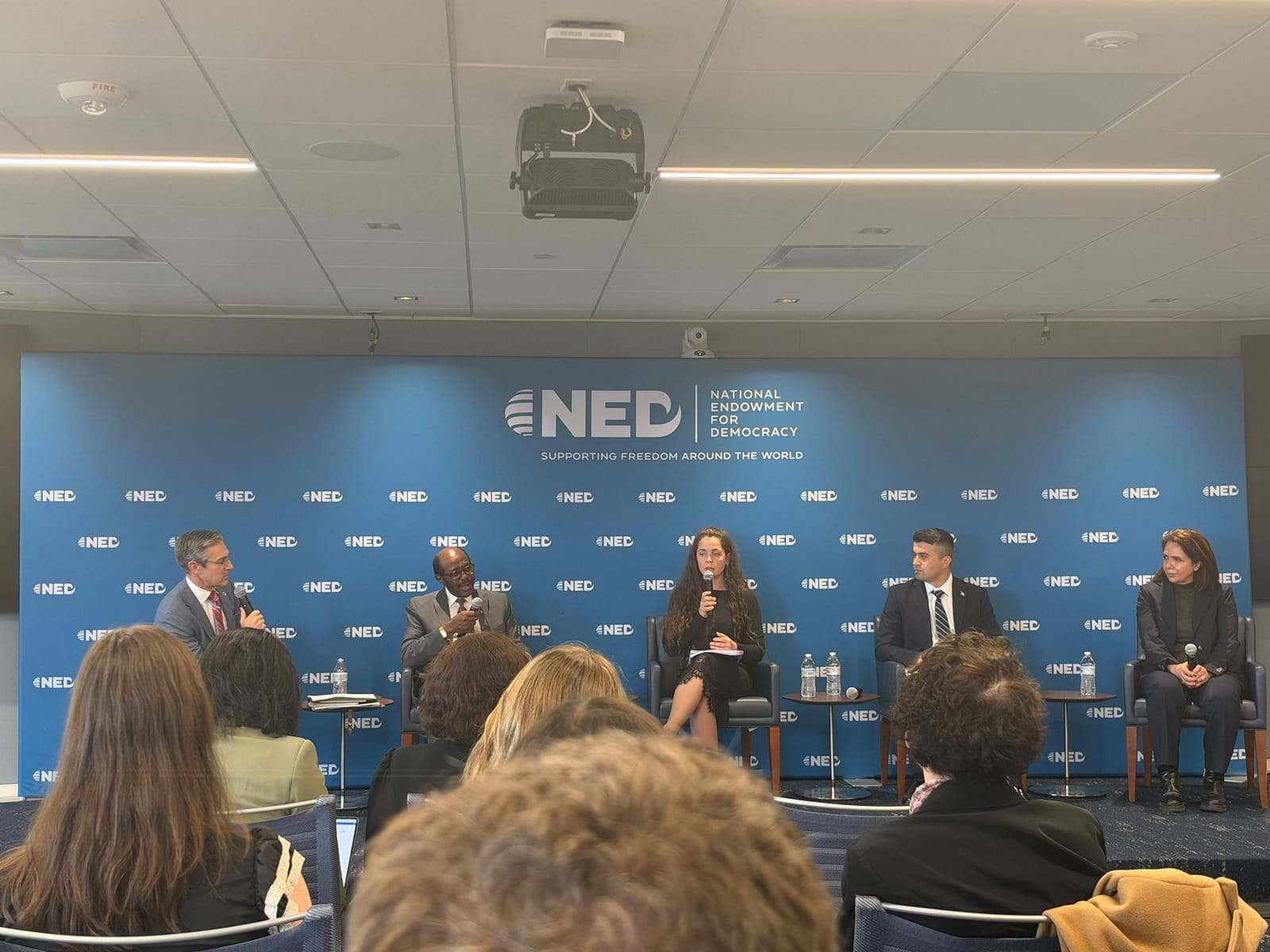
“On October 29, 2026, in Washington, he spoke at a conference hosted by the National Endowment for Democracy, where he peddled lies, played the victim and slandered his own country and its people.”
“It is unthinkable that a man who claims to have saved lives during the genocide would slander and demonize, around the world, those who put an end to it, and, worse, align himself with those who carried it out. The case of Paul Rusesabagina is, quite simply, troubling.”
“Yet one fact stands out: for two decades, our Rwandan brothers and sisters have been on an exemplary path of development, recognized across Africa and around the world. Unlike its neighbors, Rwanda enjoys institutional stability and good governance.”
Comments
Join in — no account needed.
No one has replied yet. Start the conversation.