
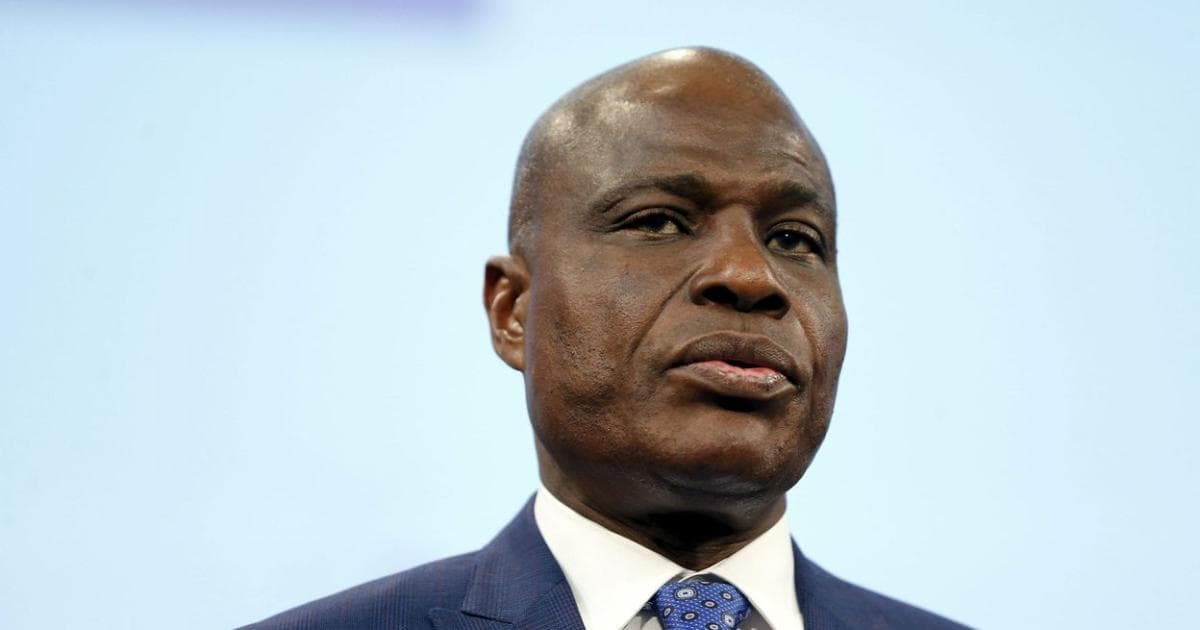
Martin Fayulu: The vector of anti-Tutsi ideology
The belonging of Congolese Tutsis to the DRC is neither a gift, a favor, nor the outcome of a political arrangement
“What does Banyamulenge mean? What is a Banyamulenge? We must call people by their names. If people claim that this is a Rwandan community that came to settle in Congo and that, well, they want to obtain Congolese nationality which is what was discussed at the National Conference and that nationality can be requested individually, or that children born here who are Congolese have that right, I agree. But when we say Banyamulenge, what does it actually mean? Mulenge is down there in the southern part of Kivu; that is where the Banyamulenge come from. The tribes... I belong to a tribe myself. When I visited the museum in Tervuren, you could see all the tribes of Congo, and each tribe has a language. Okay? Well, I will speak of my tribe, and I know how to speak that language. Kibala is a language that is spoken. Who is here in Congo who does not have a language? Raise your hands!”
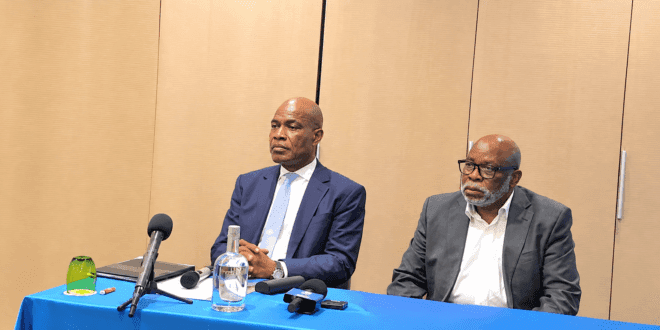
These deeply concerning remarks were made by Martin Fayulu a prominent opposition figure, member of the C64 coalition's Presidium, and unsuccessful presidential candidate in the 2018 and 2023 elections in the DRC during a public address in Brussels, Belgium. These clumsy statements have sparked widespread public outrage across the DRC and within the Congolese diaspora. By summarily calling into question the identity of Congolese Tutsis, the leader of the ECIDE party has crossed a red line, according to numerous citizens who have reacted to his declarations.
Martin Fayulu’s statements cannot be dismissed as mere lapses in attention; they form part of a revisionist narrative that is all the more dangerous because it comes from a political actor who claims to be republican and nationalist. In his remarks, he did not stop at denying Congolese nationality to Congolese Tutsis; he also went as far as minimizing and trivializing past and present massacres suffered by this community. To this day, Congolese Tutsis continue to be victims of shelling and targeted killings orchestrated by a coalition comprising the Armed Forces of the Democratic Republic of the Congo (FARDC), the Burundian army, the Democratic Forces for the Liberation of Rwanda (FDLR) Rwandan rebels, and Wazalendo militia groups.
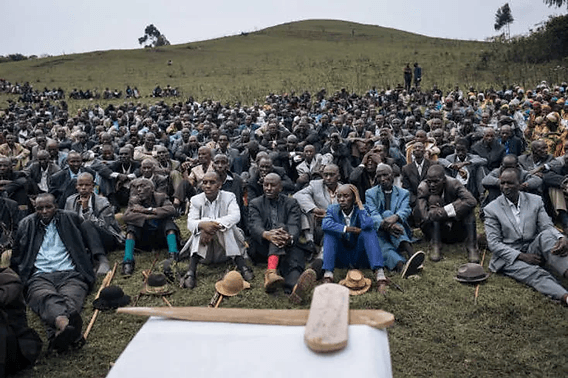
Banalizing these facts amounts to legitimizing oppression and absolving the perpetrators of these crimes. Negationism is a destructive weapon that trivializes the suffering of others. When a political leader of this stature refuses to recognize the humanity and the right to citizenship of a portion of his compatriots, he does more than just divide he encourages extermination.
The precedent set by communities such as the Lunda, Chokwe, Lamba, and Bemba
It is crucial to recall historical facts to counter this populist rhetoric. Just as the Lunda, Chokwe, Lamba, and Bemba communities are present in both the DRC, Zambia, and Angola without their "Congoleness" ever being called into question, Congolese Tutsis are full citizens. Their ancestors populated the lands of Masisi, Rutshuru, and Fizi long before the formal creation of the modern Congolese state. Their rights do not stem from any concession, but from their secular roots in the national soil.
Ideological alignment with the ruling regime in Kinshasa
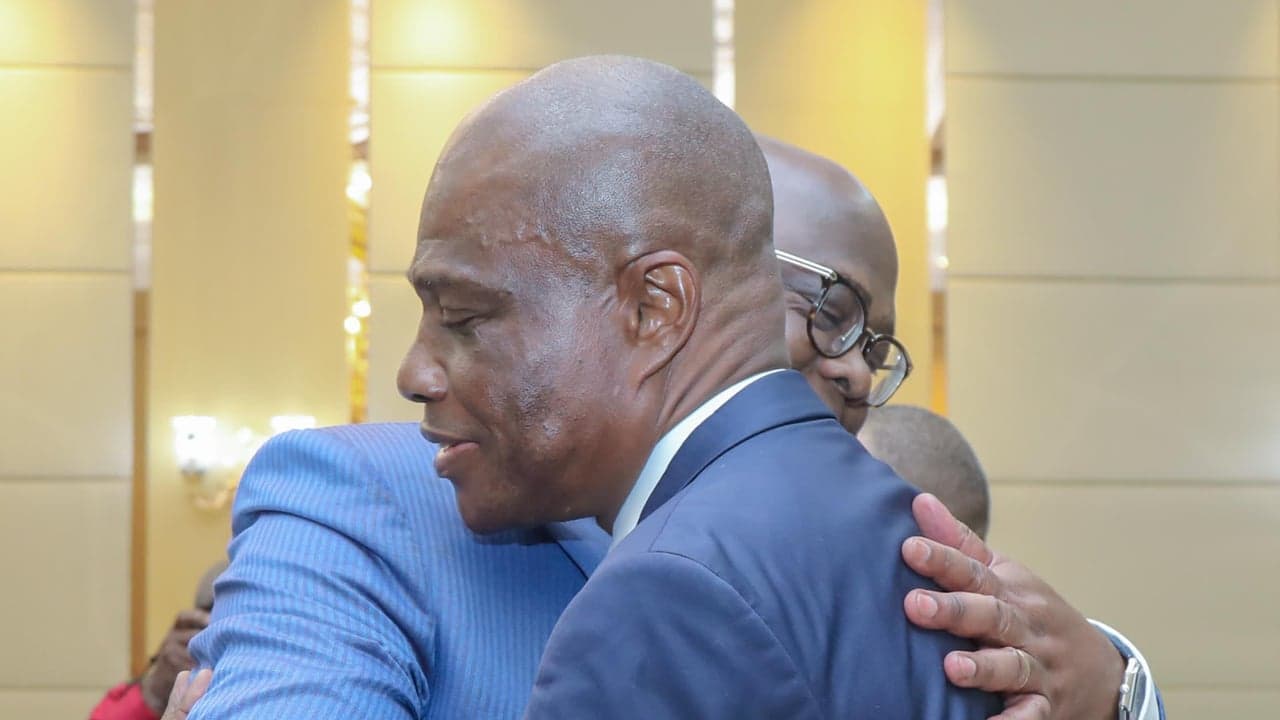
What is equally striking in these remarks is the unsettling ideological convergence between Martin Fayulu and the regime of Félix Tshisekedi. Since the latter's accession to power, anti-Tutsi rhetoric has become institutionalized. From public authorities to media outlets close to the administration, marginalization has become the norm, occasionally escalating into explicit calls for massacres and extermination.
It is surprising to note that Martin Fayulu, who presents himself as an opposition figure and an alternative to the current regime, shares the exact same ideology of ethnic stigmatization and discrimination. He also mirrors a distorted reading of the situation in the eastern DRC and the relations between the DRC and its eastern neighbors, recycling the same narrative that casts Rwanda as the scapegoat for poor governance and insecurity in the DRC.
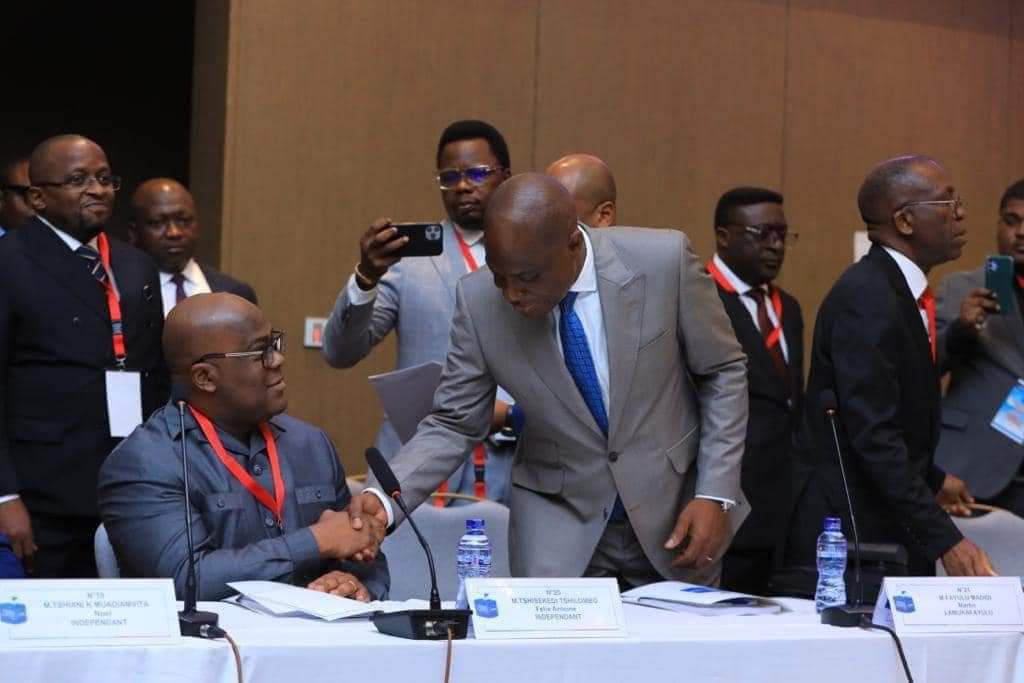
This scapegoating strategy, employed to deflect attention from governance failures, is an admission of political weakness. By adopting this rhetoric, Mr. Fayulu demonstrates that the Congolese people cannot rely on him, as he merely recycles the same outdated tactics that have repeatedly proven their limits. The constant repetition of these discourses by authorities and media channels aligned with power only amplifies the threat weighing on Congolese Tutsis, turning ordinary citizens into legitimate targets within the collective imagination.
“The belonging of Congolese Tutsis to the DRC is neither a gift, a favor, nor the outcome of a political arrangement. They are in the DRC, the land of their ancestors, and no one has the right to deny them that status. Hatred, tribalism, and negationism constitute neither a source nor a basis of law; nor can they ever erase, alter, or rewrite history. This historical truth is undeniable, and no political maneuver can invalidate it.”
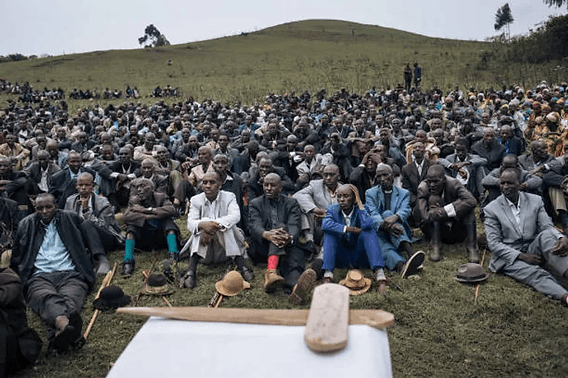
“It is imperative that hate speech ceases immediately, alongside the indiscriminate bombardment directed against Congolese Tutsis in the eastern part of the country. We call upon international judicial bodies to step in: crimes committed under the guise of hate speech, as well as the massacres and bombings targeting this ethnic minority, must be thoroughly documented and severely sanctioned by international justice.”
Comments
Join in — no account needed.
No one has replied yet. Start the conversation.