
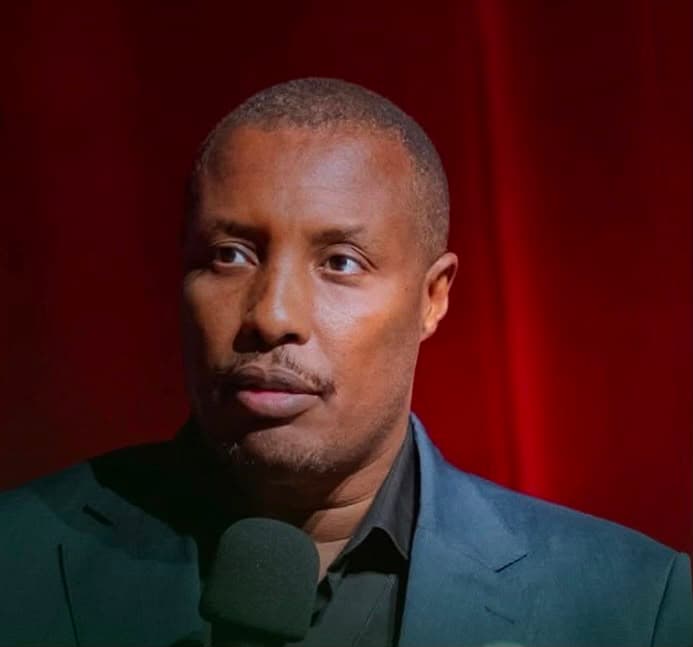
Statements by Martin Fayulu concerning the Banyamulenge: Reaction of Dr. Freddy Kaniki, Deputy Coordinator of the AFC/M23
"Genocide begins with a simple negative thought, translated into words. It is followed by the transformation of an identity into an accusation"
Martin Fayulu's statement demonstrates, in and of itself, why we rose up and why, for decades, our people have been compelled to fight. We fight not against the Nation, but against this ideology of exclusion.
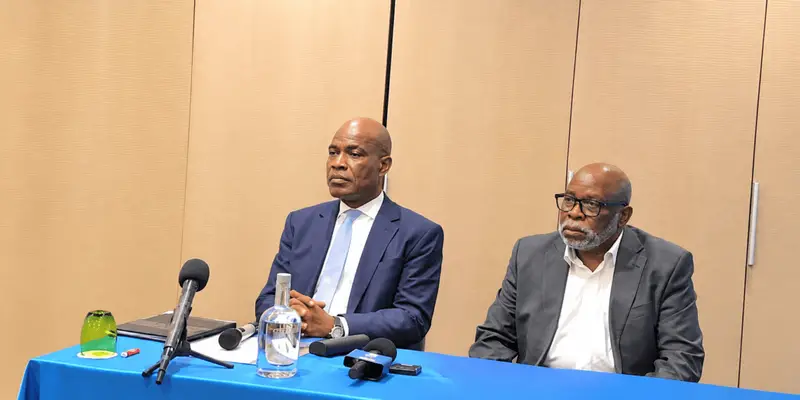
Our struggle has never been a quest for minerals, political positions, privileges, or any share of power. First and foremost, it is a fight to secure recognition of our most legitimate right: that of being an integral part of Congolese society and the national fabric, with the same rights, dignity, and protection as any other Congolese citizen.
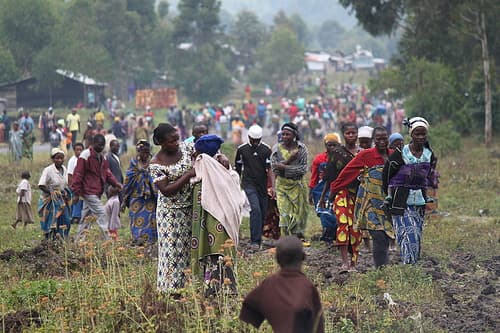
For descendants of Itombwe pastoralists, established in the Highlands long before the arrival of the Belgians, it is unjust to have to continually prove our belonging to the Congo or our loyalty to the Nation.
To those who speak of victimisation or external manipulation, Martin Fayulu's remarks suffice to reveal the prejudices and the ideology of exclusion at the core of our suffering and the national crisis.
Tragically, this week marks the 22nd anniversary of the Gatumba genocide, which claimed the lives of 166 Banyamulenge.
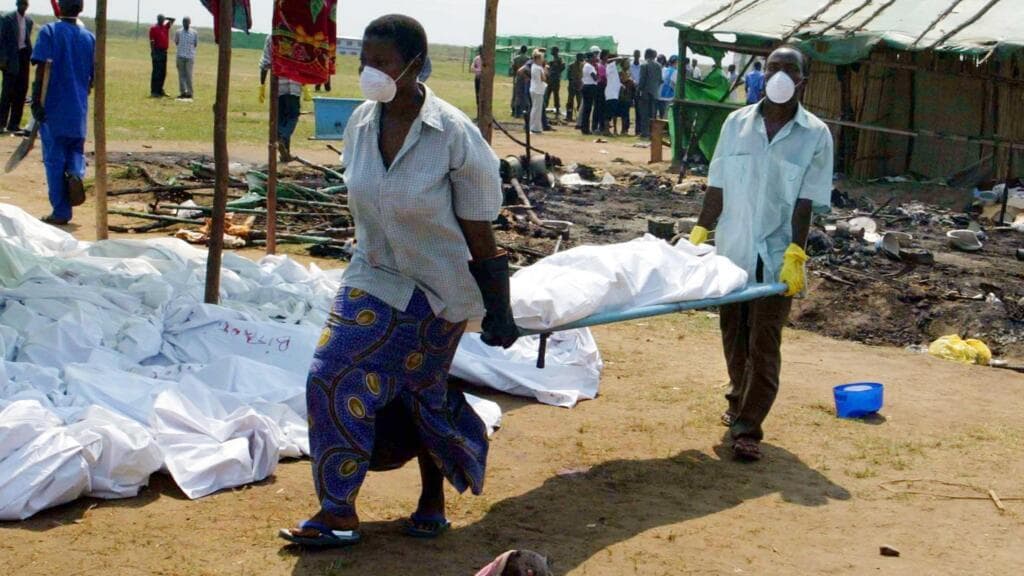
Gatumba reminds us of a truth that history no longer allows us to ignore: genocide does not begin with the first gunshot. Genocide begins with a simple negative thought, translated into words. It is followed by the transformation of an identity into an accusation.
It proceeds through viewing a neighboring community as a threat, in the name of obscure political interests.
It continues with the denial of a community's belonging, the contestation of its citizenship, its designation as 'foreign,' 'infiltrated,' or 'dangerous,' all the way to the banalisation of its dehumanisation.
Hatred becomes normalised through political discourse, and even within churches or places of worship.
“An entire community is held responsible for the actions of a few individuals.”
Next comes the stage of stigmatising a community through qualifiers that lead to exclusion and the rejection of the other. Words prepare minds. Exclusion designates the targets. Hatred ultimately renders violence acceptable, or even 'patriotic.'

22 years after Gatumba, the duty of memory is also a duty of warning: 'Never Again' begins long before the massacres. It begins with the rejection of hate speech.
This lesson remains tragically relevant in the DRC, where divisive rhetoric and biased interpretations of history are dangerously advanced, notably by those aspiring to lead the country exemplified by Mr. Fayulu thereby threatening national cohesion and stability in the Great Lakes region.
“The Congo will truly be great only when each community can recognize the pain of the other and accept one another mutually, in order ultimately to build a common, plural, and indivisible Congolese identity, where everyone can look at the same flag without feeling excluded.”
Comments
Join in — no account needed.
No one has replied yet. Start the conversation.