
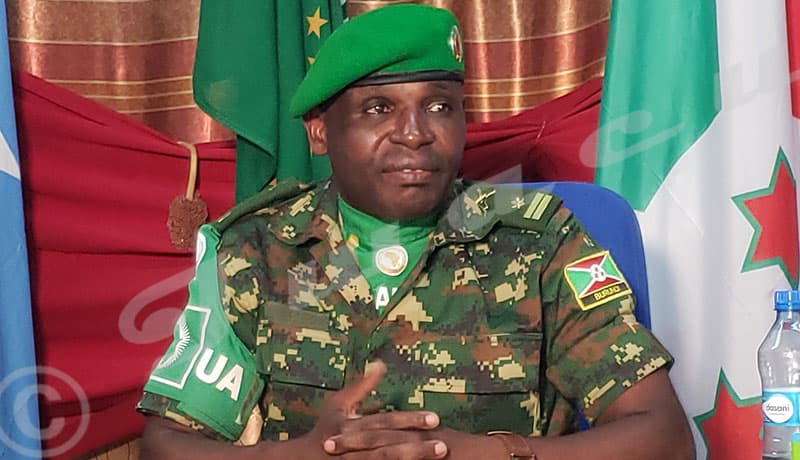
According to revelations from our colleagues at Poliscoup magazine, General Muzinga, Deputy Commander of the Burundi National Defence Force’s Land Forces, has entered Congolese territory in Fizi. While the Burundian military has long maintained a significant presence in eastern Democratic Republic of the Congo (DRC), this high-ranking official has arrived with thousands of additional troops as reinforcements, with the explicit goal of launching a major offensive.
This massive deployment occurs amid heightened tensions, following significant battlefield setbacks for the heterogeneous coalition comprising the FARDC, the Burundian army, the FDLR, Wazalendo militias, and foreign mercenaries.
Prior to these recent defeats, the coalition had launched a large-scale offensive, utilizing advanced technological assets such as tactical drones, with the clear ambition of seizing total control of the Highlands and Minembwe. These efforts were thwarted by AFC/M23 combatants, who successfully ousted the coalition from its key strategic positions.
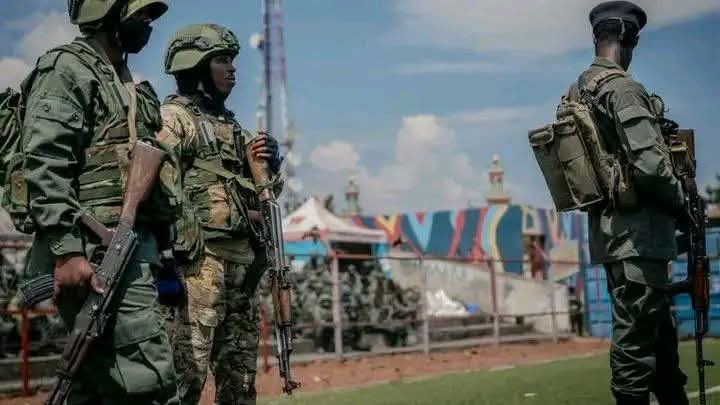
Among these critical positions was the "Point Zero," a vital geostrategic crossroads. This hub serves as the essential gateway for moving troops and equipment toward Baraka, while providing a clear path toward Kalemie in the Katanga province.
General Muzinga’s arrival is aimed at reversing the humiliating defeat suffered in July, when the blockade of Minembwe which had isolated the civilian population by cutting off food, medical supplies, and transport routes was broken. Today, in an act of retaliation or strategic preparation, the coalition is regularly shelling Banyamulenge civilians from positions within Burundi, as well as from Walikale and Kisangani.
The Two-Fold Nature of Burundi’s Involvement: Ideology and Financial Interests
Burundi’s engagement in this conflict is driven by two primary factors:
- Ideological Motives: The Gitega regime, led by President Évariste Ndayishimiye, harbors deep-seated hostility toward the Banyamulenge, a Congolese Tutsi community. This visceral animosity is rooted in history, most notably the 22-year-old massacre of Banyamulenge refugees at the Gatumba camp in Burundi.
- Financial Interests: Kinshasa is paying millions of dollars monthly to Burundi to compensate for and finance the active participation of its army in the war in the East. Consequently, the Burundian government has a direct financial incentive to perpetuate the conflict, transforming the ongoing violence into a sustainable revenue stream for the Gitega regime.
Kinshasa’s Duality: Undermining the Peace Process
This military escalation is exacerbated by the central government’s opportunistic alliances. Recently, President Félix Tshisekedi held clandestine talks with Erik Prince, the founder of the controversial paramilitary firm Blackwater (associated with entities such as Frontier Services Group), whose mercenaries and operatives are actively supporting Kinshasa’s military coalition.
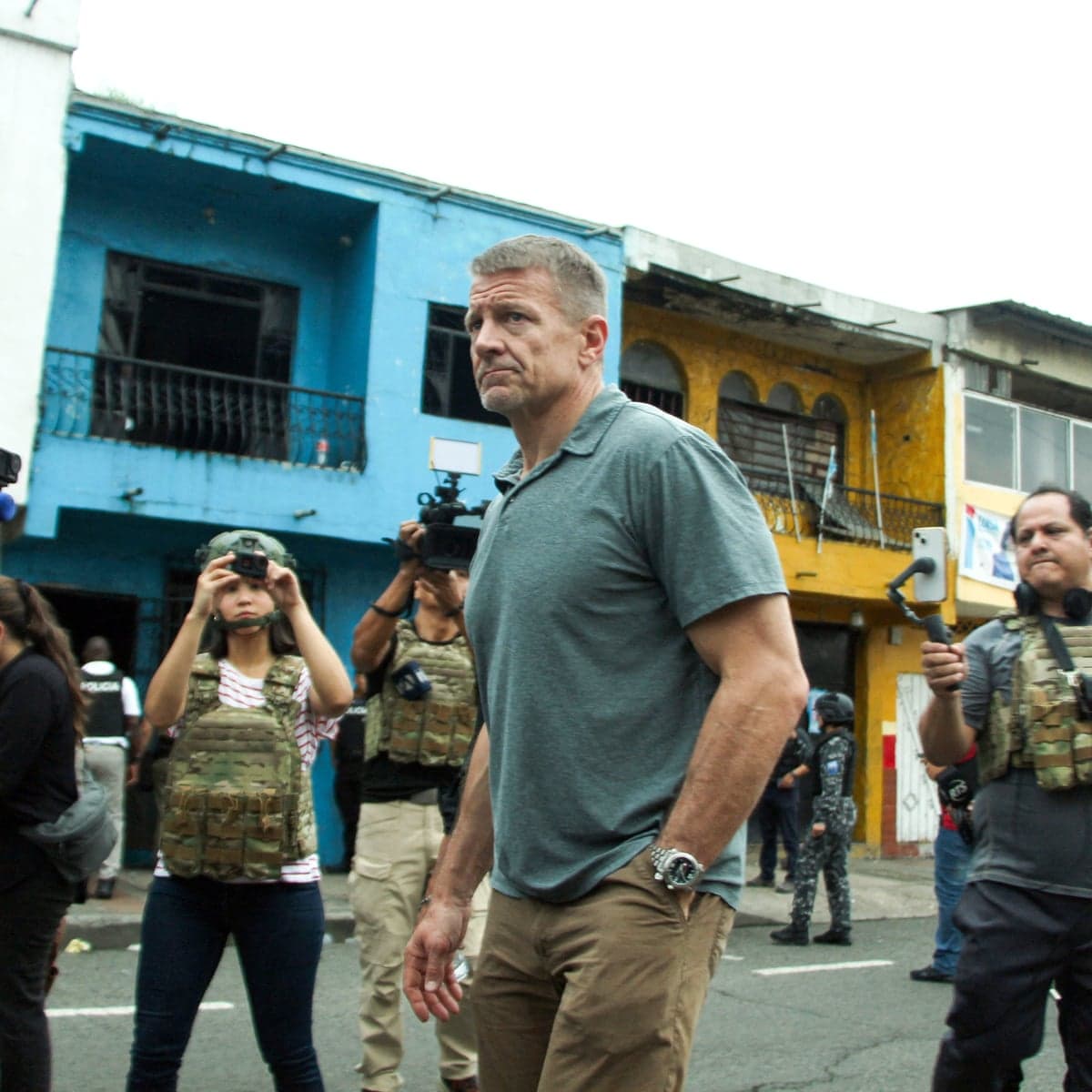
This move underscores the perilous double game being played by the Kinshasa regime: while projecting a facade of diplomatic readiness to engage in dialogue with the AFC/M23 for the international community, the government simultaneously maintains a warmongering rhetoric, formalizing pacts with private warlords and presiding over the mass killing of civilians.
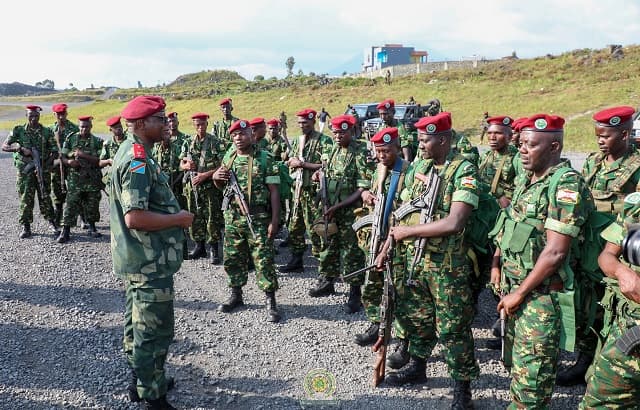
This reckless path irreparably compromises chances for a diplomatic resolution, whether through the Doha process or the ongoing Swiss-led initiatives. By prioritizing military confrontation, Kinshasa and its allies risk escalating the crisis to a breaking point. Such a development could force the AFC/M23 to broaden its operations all the way to Katanga the DRC’s economic powerhouse and the very source of the revenue Félix Tshisekedi uses to fund his war effort.
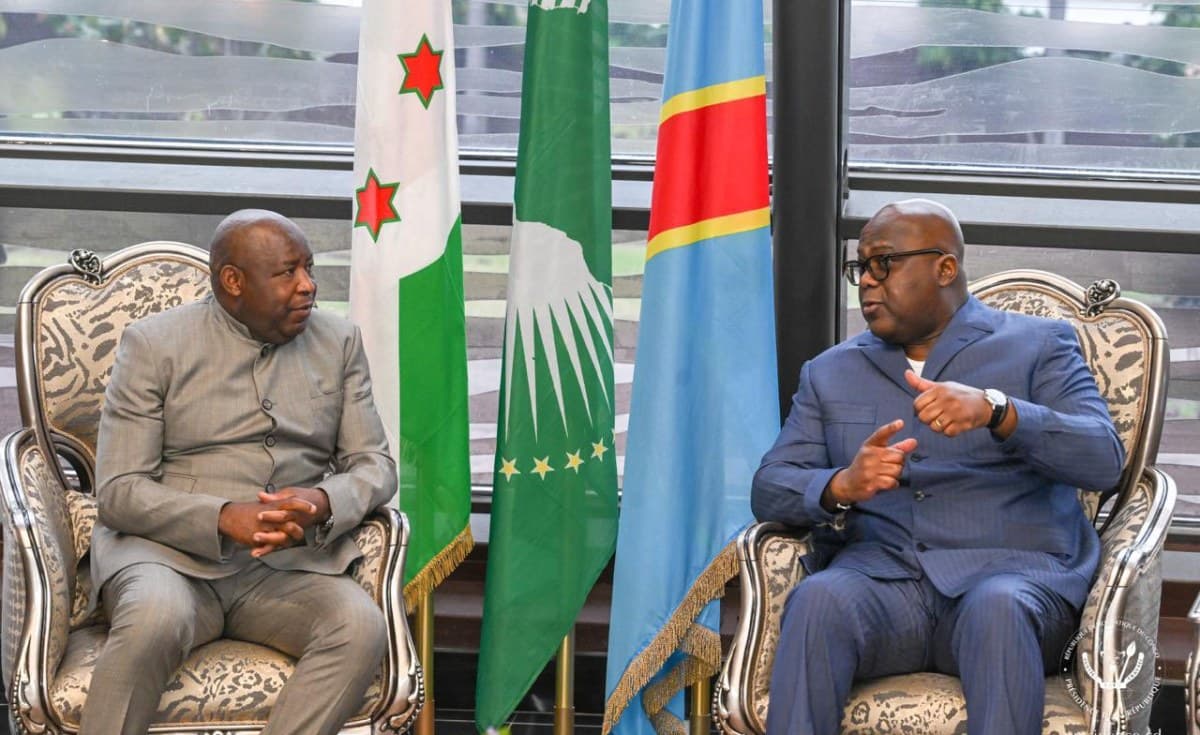
Faced with this imminent threat, a unified response from the international community and regional organizations is essential. It is imperative that the East African Community (EAC), the Southern African Development Community (SADC), and the African Union use their leverage to pressure the Burundian regime to cease its interference.
Simultaneously, sustained pressure must be exerted on Kinshasa to force the government to abandon its bellicose ambitions and engage in good faith with the ongoing peace processes, before the entire region is irrevocably set ablaze.
Comments
Join in — no account needed.
No one has replied yet. Start the conversation.