
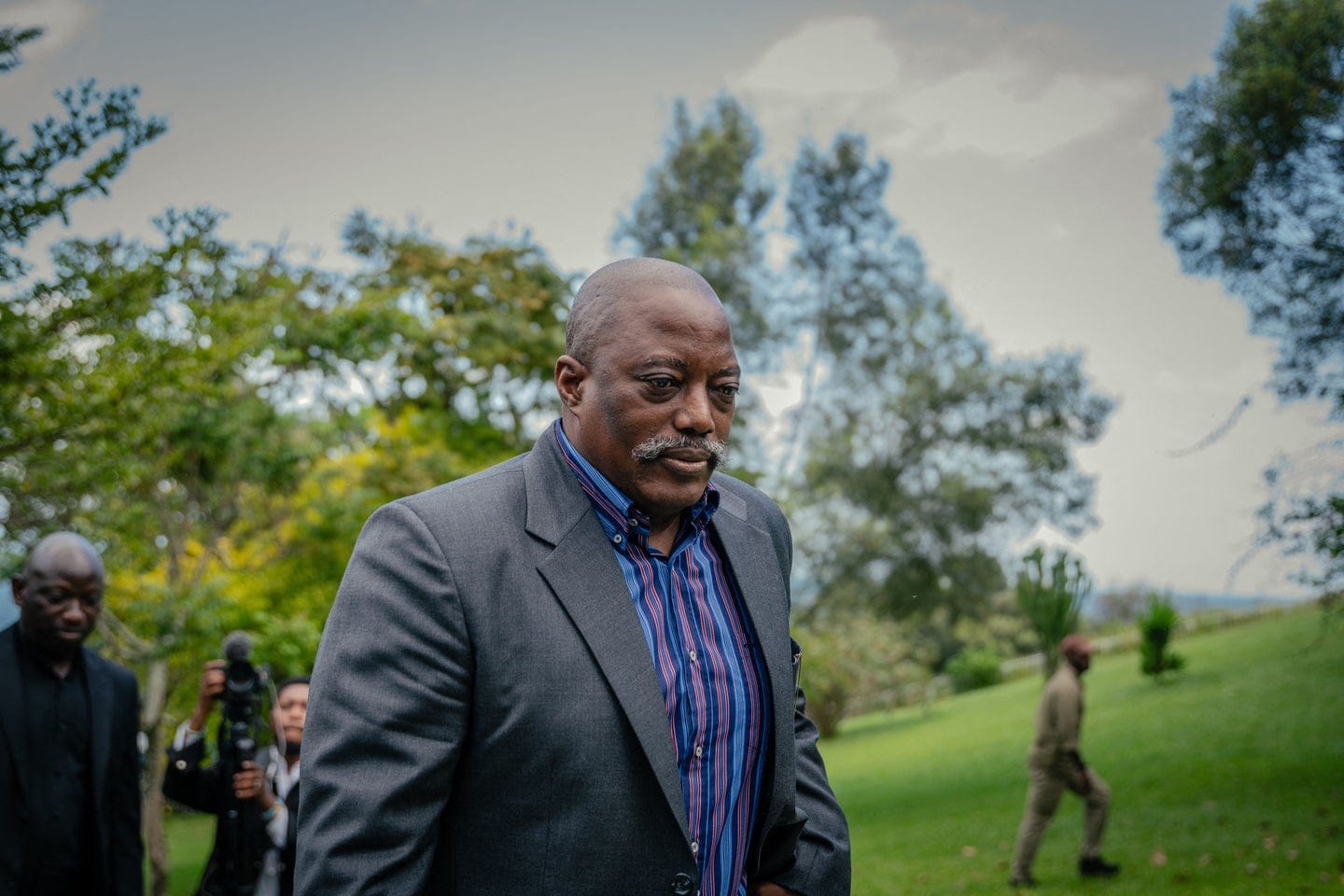
JOSEPH KABILA KABANGE, A MAN DRIVEN BY HIS PASSION FOR THE CONGO
He could easily have remained in comfort and enjoyed his personal privileges. Instead, President Joseph Kabila KABANGE has accepted blackmail, arbitrary sanctions, slander, humiliation, sabotage and the confiscation of his property, driven solely by his passion for the DRC and his love and compassion for a Congolese people in distress.
Since the Democratic Republic of the Congo (DRC) gained independence on 30 June 1960, the country has endured a vicious cycle of insecurity, instability and poor governance.
The darkest period was the 32 years of Mobutu's dictatorship. At the time, the Congo, renamed Zaire, had become the laughing stock of the world: a country blessed with immense natural resources, both above and beneath the ground, whose revenues benefited only the presidential inner circle, particularly the powerful figures within Mobutu's regime.
In 1997, when the DRC was liberated by the Alliance of Democratic Forces for the Liberation of Congo (AFDL), with the support of our Rwandan and Ugandan brothers, President Joseph Kabila KABANGE actively took part in the armed revolutionary struggle to liberate the country.
In 2001, following the death of his father, he assumed the reins of power. He inherited a country without a functioning budget, deeply divided and lacking infrastructure, where the population was struggling merely to survive, with little hope for tomorrow and no clear prospects for the future. Yet, fortunately, they had a compassionate humanist at the helm.
“Later, a woman who had lived in the HEWA BORA bush camp and witnessed his birth and adolescence would testify: "Young Joseph Kabila disliked conflict and could not bear to see people fighting. In other words, from an early age, he loved peace and could not stand seeing others oppressed."”
On 19 April 2002, the Global and All-Inclusive Agreement was signed, before being finalised and adopted on 1 April 2003 in South Africa. Its purpose was to bring the Second Congo War to an end through an inter-Congolese dialogue process.
It was an unprecedented initiative. For the first time, a president governing such a vast and immensely wealthy country agreed to share power with four vice-presidents under the 1+4 formula, solely to reunify the country, restore peace and establish lasting stability.
On 18 and 19 December 2005, for the first time in its history, the Congolese people were called upon to take part in a referendum to vote democratically on the Constitution. This Constitution would pave the way for the Third Republic, an achievement made possible by the political will of Joseph Kabila KABANGE.
“President Joseph Kabila KABANGE promulgated the new Constitution on 18 February 2006, thereby bringing the 2003 transitional constitutional framework to an end and establishing the Third Republic.”
In 2006, the DRC also held its first free and democratic elections, which were won by President Joseph Kabila KABANGE. This democratic stability opened the door to institutional reforms and the launch of an ambitious national development programme known as the Five Pillars of the Republic.
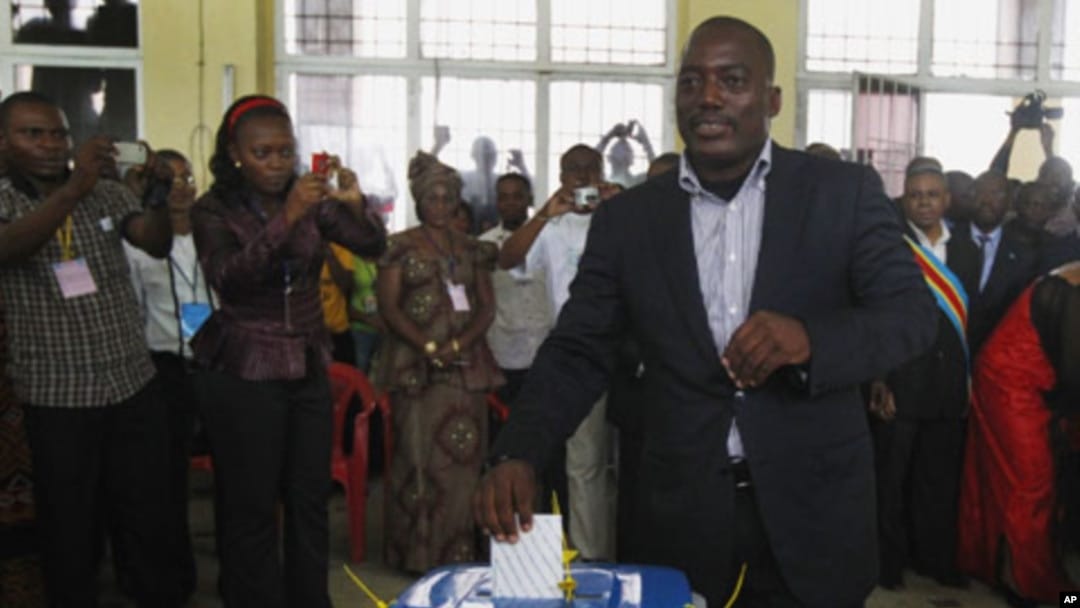
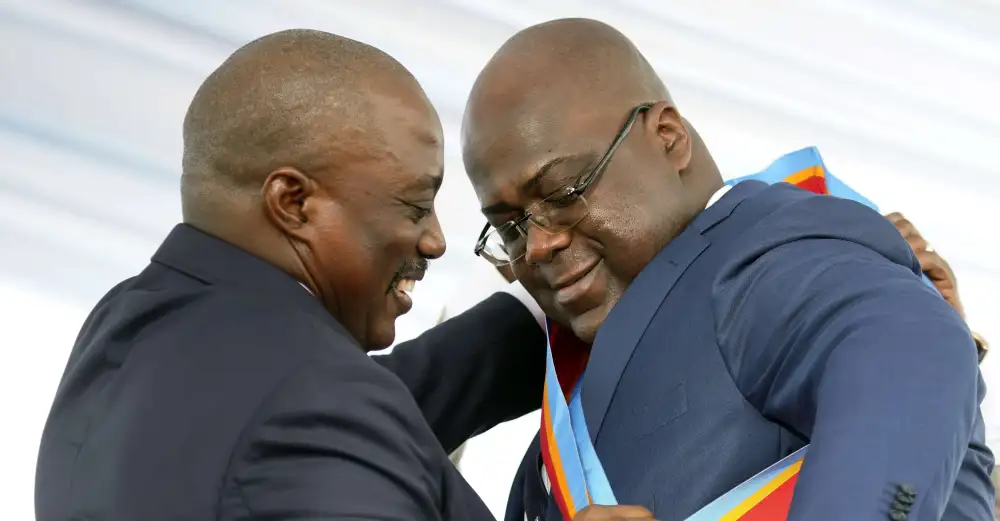
In 2011, the second electoral cycle was held, followed by a third in 2018. Despite his youth and his desire to continue serving the country, President Joseph Kabila KABANGE chose to respect the Constitution, which limits presidential tenure to two terms. Thus, in 2018, he handed over power to Félix Tshisekedi.
“This point must be emphasised, indeed, strongly emphasised: in 2019, President Joseph Kabila KABANGE handed over to Félix Tshisekedi a country that was economically stable, undergoing institutional reforms, with development projects still under way, a strengthened army and well-established security services.”
Unfortunately, following President Joseph Kabila KABANGE's departure, the country entered an era of rule by an irresponsible tyrant who had never experienced the pain and sacrifices of the Revolution. A carefree hedonist to whom power, the country's resources and the lives of more than 100 million Congolese had been handed on a silver platter in 2019.
“Immediately after taking office in 2019, Félix Tshisekedi, the new president, embarked on a campaign of humiliation and alleged plots against his predecessor, while also threatening his physical integrity. President Joseph Kabila KABANGE was eventually forced into exile. Félix Tshisekedi used every means at his disposal to pursue him, even into exile. But he had not reckoned with the resilience of a lion.”
“Today, at the end of 2026, President Joseph Kabila KABANGE has agreed to respond to the desperate cries of the Congolese people, a population that has been oppressed and left hungry since 2019. These are people who watch helplessly as a tribal-based ruling clique remains at the helm of the country, enriching itself at the expense of the people's welfare.”
Having heard the cries of the Congolese people, President Joseph Kabila KABANGE has agreed to return to the Revolution, as he did in 1997, to liberate the country once again, but this time with the aim of rebuilding it from the ground up.
The vision of national renewal championed by President Joseph Kabila KABANGE seeks to address the deep-rooted causes that have hindered the DRC's development since 1960 and to put the country firmly back on track.
“He could easily have remained in comfort and enjoyed his personal privileges. Instead, President Joseph Kabila KABANGE has accepted blackmail, arbitrary sanctions, slander, humiliation, sabotage and the confiscation of his property, driven solely by his passion for the DRC and his love and compassion for a Congolese people in distress.”
Comments
Join in — no account needed.
No one has replied yet. Start the conversation.