
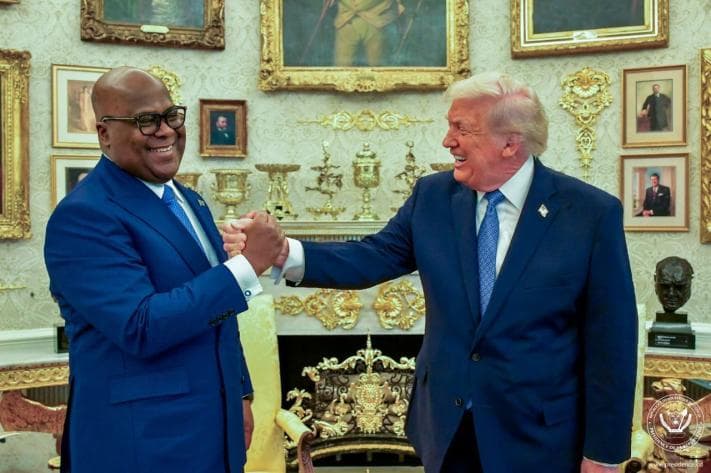
DRC-US Economic Partnership: 50 Members of the U.S. Congress Denounce the Opacity of the Deal
The signatories of the letter are alarmed to see the DRC pressured into radical constitutional changes.
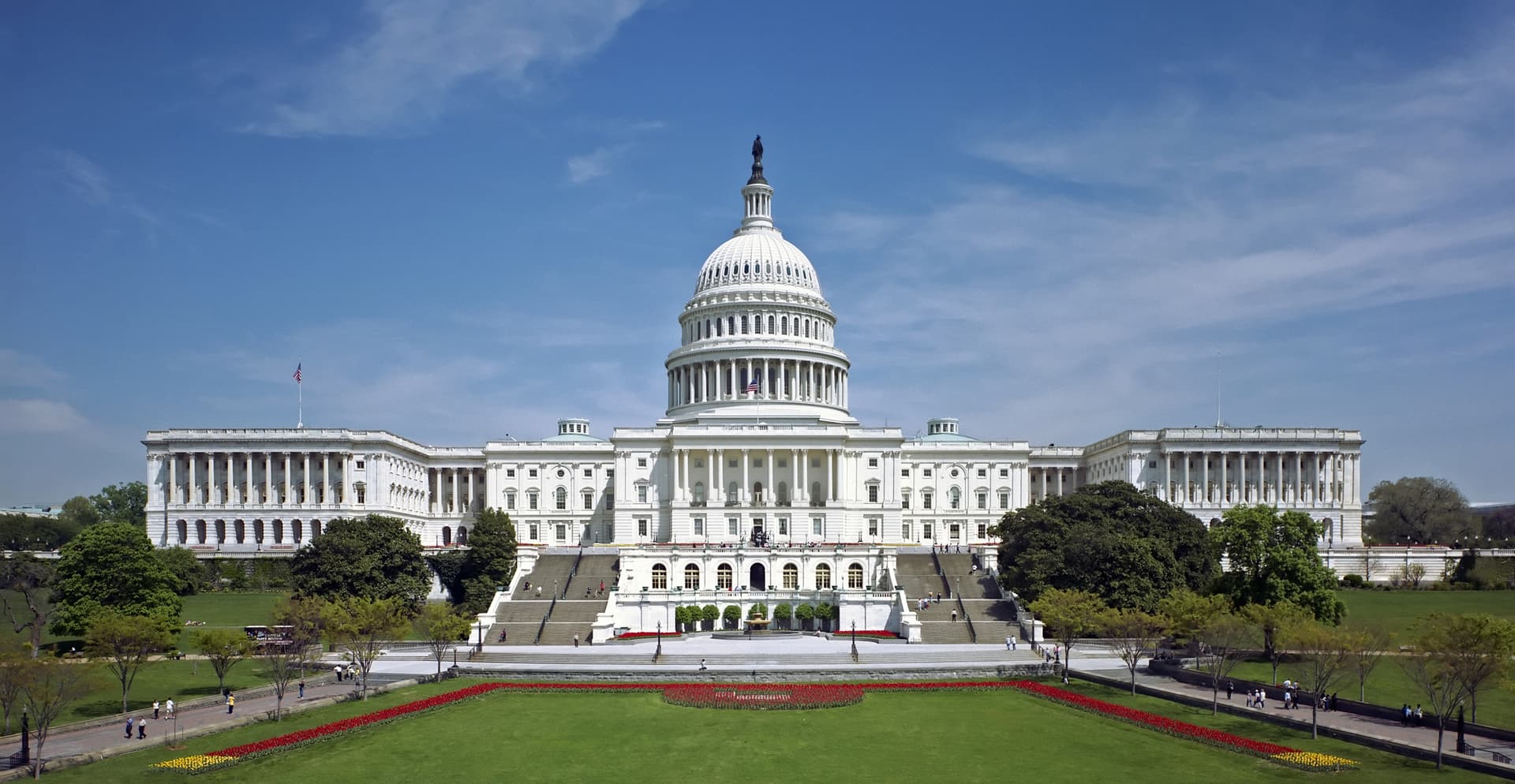
An explosive document in the form of a letter signed by more than 50 members of the United States House of Representatives including Linda T. Sánchez and Jared Huffman sheds light on an alarming reality regarding recent international critical mineral agreements. This correspondence, addressed to the U.S. Secretaries of State, Treasury, and Commerce, breaks the silence on practices of economic predation that directly impact the mining heartland of the Democratic Republic of Congo: Katanga.
The U.S. Congress, in a demonstration of clarity and firmness, rightly emphasizes that current agreements, notably the Strategic Partnership (SPA) signed with the DRC, severely lack transparency. The lawmakers also protest against the U.S. executive branch bypassing Congress's constitutional authority under Article 1, Section 8 regarding commerce by imposing these accords without public consultation or parliamentary review. Congolese authorities, in a highly questionable posture, have deliberately maintained an artistic blur surrounding this partnership, concealing true economic stakes behind conventional rhetoric.
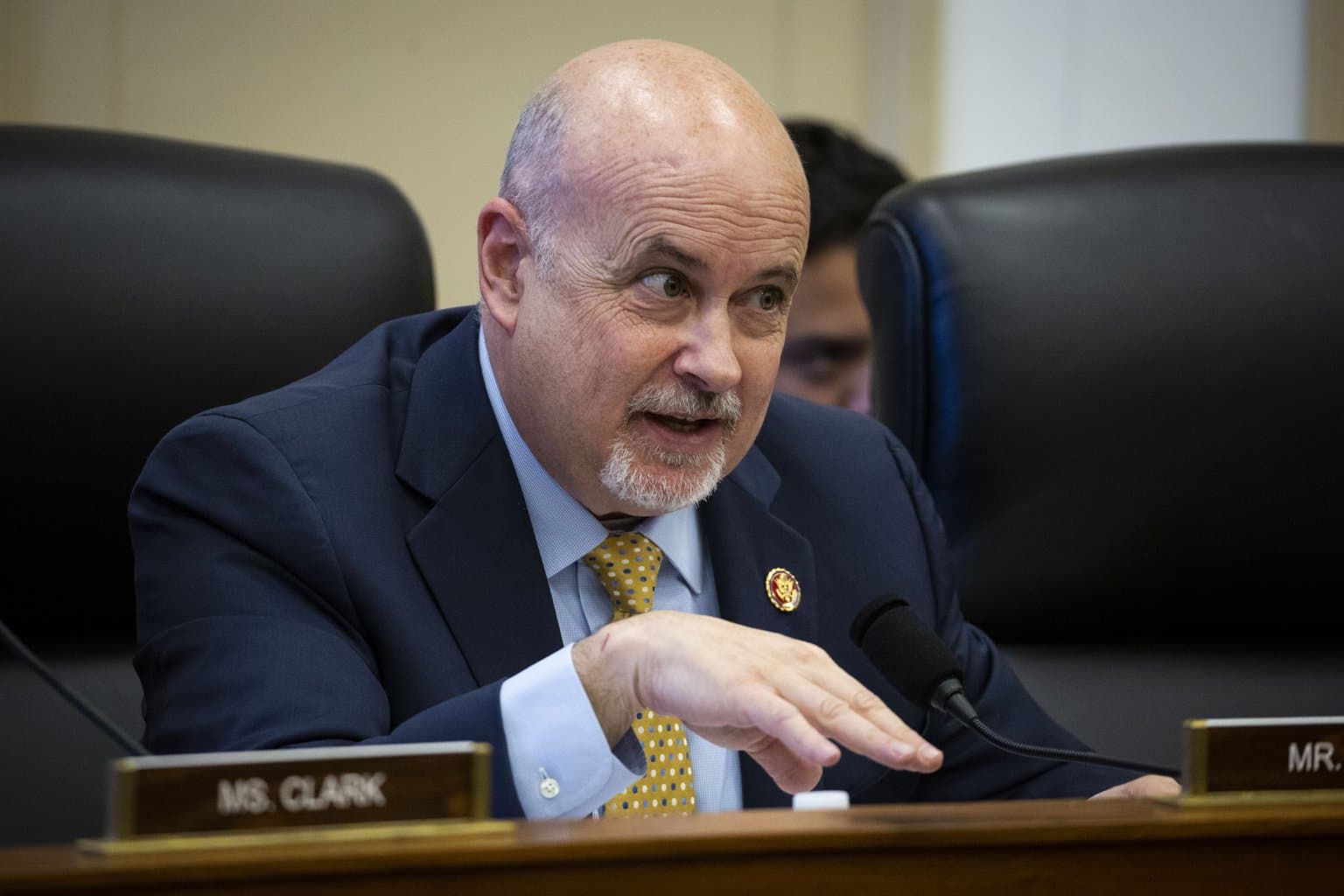
The document insists that these maneuvers are far from innocuous and specifically target Katanga's wealth. Signatories of the letter are alarmed to see the DRC pressured into radical constitutional changes. The agreement would grant U.S. corporations a "right of first refusal" over Congolese mining concessions. Amidst this land-grabbing context, U.S. lawmakers expressed deep concern over reports indicating the administration might consider lifting Global Magnitsky sanctions on businessman Dan Gertler solely to facilitate a cobalt deal. This mechanism institutionalizes the plundering of Katanga's resources to the detriment of local communities and the benefit of questionable foreign interests.
The letter echoes profound concerns regarding corruption, explicitly mentioning reports pointing to the potential enrichment of power-affiliated family members through these mining deals. In this context, resource management in Katanga is frequently criticized for its opaqueness, turning national heritage into an exclusive private enterprise. On the American side, similar abuses are denounced by the signatories, who emphasize that comparable deals impose immense financial risks on U.S. taxpayers by committing billions of dollars in loans and guarantees through the Development Finance Corporation (DFC) and the Export-Import Bank, where private entities reap profits while the public absorbs potential losses.
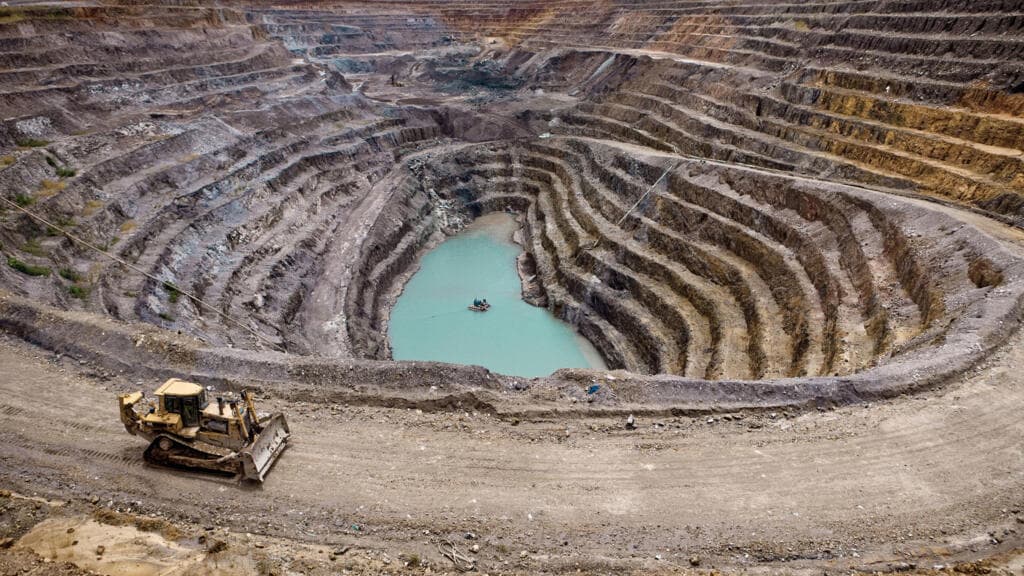
Beyond financial stakes, the methods employed to secure these minerals are severely condemned by lawmakers. The letter denounces reports suggesting the U.S. helped finance a paramilitary force tasked with overseeing mining operations in the DRC, thereby exacerbating tensions in a region already ravaged by violent conflict. Furthermore, parliamentarians are deeply troubled by the pressures and restrictive measures exerted during similar negotiations within the region.
Congress demands urgent responses to crucial questions, requiring the administration to establish binding standards protecting the environment, labor rights, and human rights. It is imperative that the truth comes to light and that the plundering of Katanga ceases immediately under pressure from an international community that can no longer ignore these actions or a model of extraction prioritizing mining profits over human lives.
Comments
Join in — no account needed.
No one has replied yet. Start the conversation.