
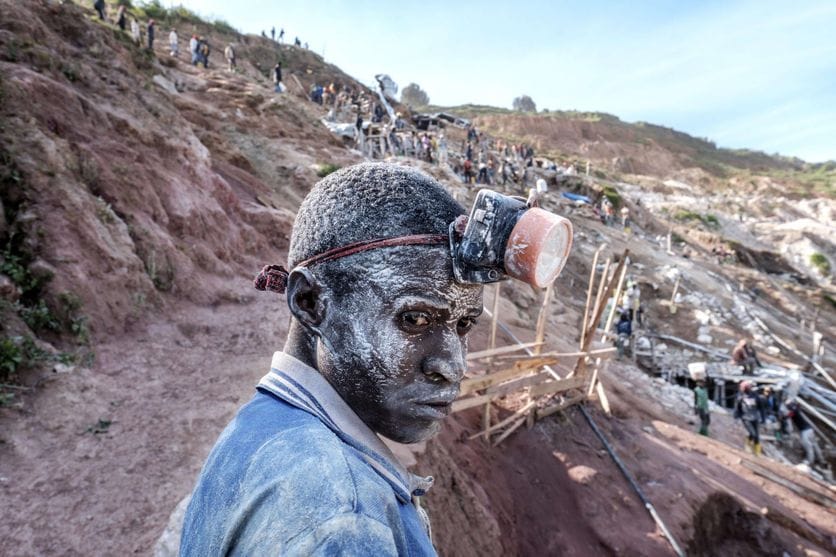
Neither the AFC/M23 nor Rwanda is exploiting the Rubaya mine
For years, propaganda has peddled claims that Rwanda is plundering the mineral resources of eastern DRC. Yet Katanga alone loses more than $20 billion a year to fraud and the looting of its mineral wealth, orchestrated by networks sustained by the authorities in Kinshasa.
For years, a grotesque campaign of propaganda and lies has been fed to international public opinion, alleging that Rwanda is plundering the DRC's mineral resources, coltan in particular.
Does Rwanda have coltan beneath its own soil?
Rwanda mainly produces the so-called "3T" minerals (tantalum/coltan, tin/cassiterite and tungsten/wolframite), as well as gold and lithium, and ranks as a major global exporter alongside the DRC. Rwandan coltan is well traced, contrary to the smuggling allegations relayed by certain media outlets and international organisations, propped up by the lobbying of the "diabolical" camp.
Who runs the Rubaya mine?
According to investigations by a fellow journalist, before the AFC/M23 arrived in the Rubaya area, this coltan-rich mine was run by Mai-Mai armed groups, now operating under the WAZALENDO banner. It should be stressed that these illegal armed groups are kept going by political figures from the Kivu region, who today have rallied around President Félix Tshisekedi.
Testimonies gathered by our colleague also indicate that Kinshasa allegedly handed part of the mine to the Burundian government in exchange for its army's participation in the war against the AFC/M23.
Rubaya was thus plunged into unprecedented anarchy: children were used and exploited by the WAZALENDO armed groups, sent down into the shafts to extract coltan, while prostitution and the exploitation of women were commonplace.
The AFC/M23 is not exploiting the Rubaya mine
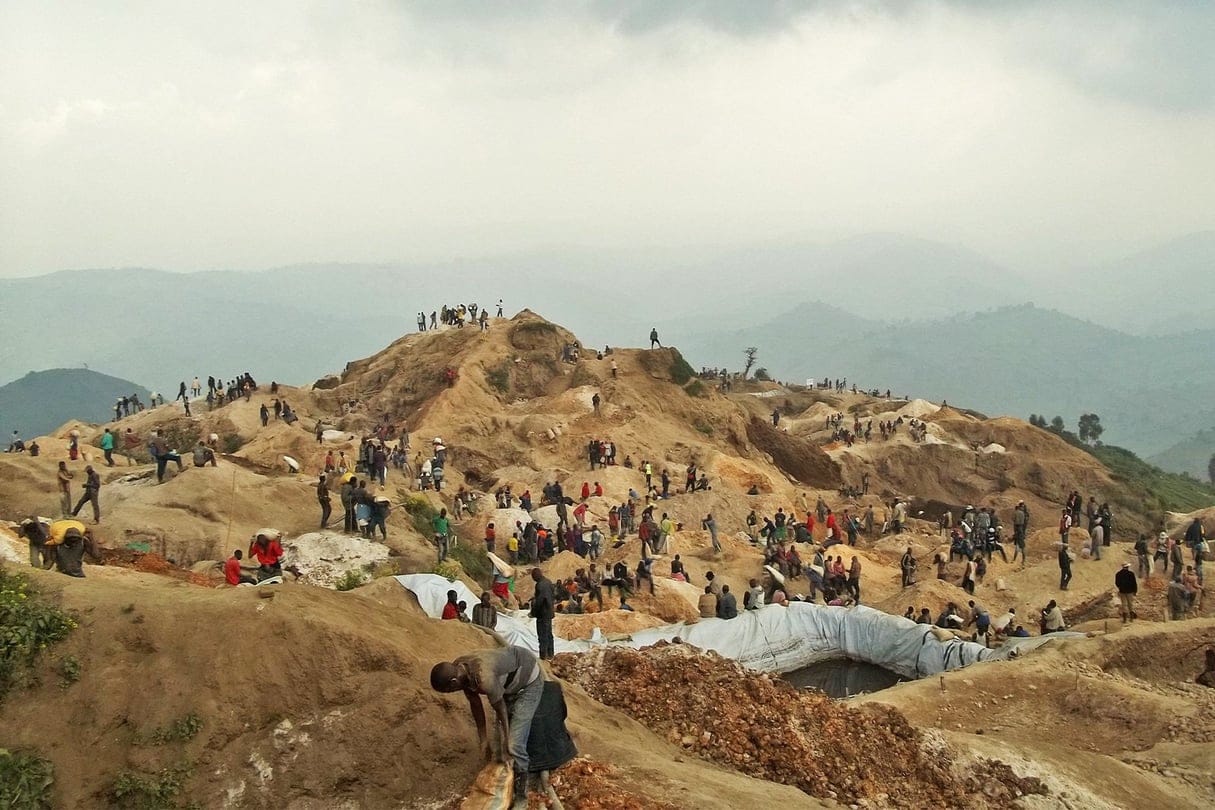
According to the investigations and testimonies gathered, there has been no military presence inside the Rubaya mine since the AFC/M23 arrived in the region. Troops are confined to the town of Rubaya itself, not the mine. Thousands of civilian diggers continue to work the site by artisanal methods. The one thing that has changed is the end of child and female exploitation in the mine, thanks to the AFC/M23.
“The authorities of this politico-military movement play a strictly administrative and law-and-order role in Rubaya and around the mine, contrary to the claims and propaganda bankrolled by the Kinshasa government's lobbying.”
Elsewhere in the country, chiefly in Katanga, which is under Kinshasa's control, cases of child labour are well documented in the mines of Haut-Katanga and Lualaba, as is mining fraud, skilfully orchestrated by dignitaries of the Kinshasa regime.
An estimated 20 billion dollars or more slips away from the DRC every year through the looting of mineral resources in Katanga alone, a sum equivalent to three years of the country's national budget.
Neither the AFC/M23 nor Rwanda holds any stranglehold over mining in Rubaya; on the ground, the system is well regulated, according to our colleague's investigations and testimonies. The rest is simply manipulation of public opinion and demonisation, and above all a refusal by the Congolese government to look itself in the mirror.
It should also be stressed that Rubaya is not the fabled mega-mine churning out vast riches. It is, rather, a sprawling field of coltan deposits, worked for decades by makeshift diggers using archaic, artisanal methods, simply to survive.
They sell their meagre output to trading houses, which clean and export it, taking a modest margin of their own. This is a networked, small-scale economy, far less impressive than the media and anti-AFC/M23 propagandists would have the public believe.
Comments
Join in — no account needed.
No one has replied yet. Start the conversation.