
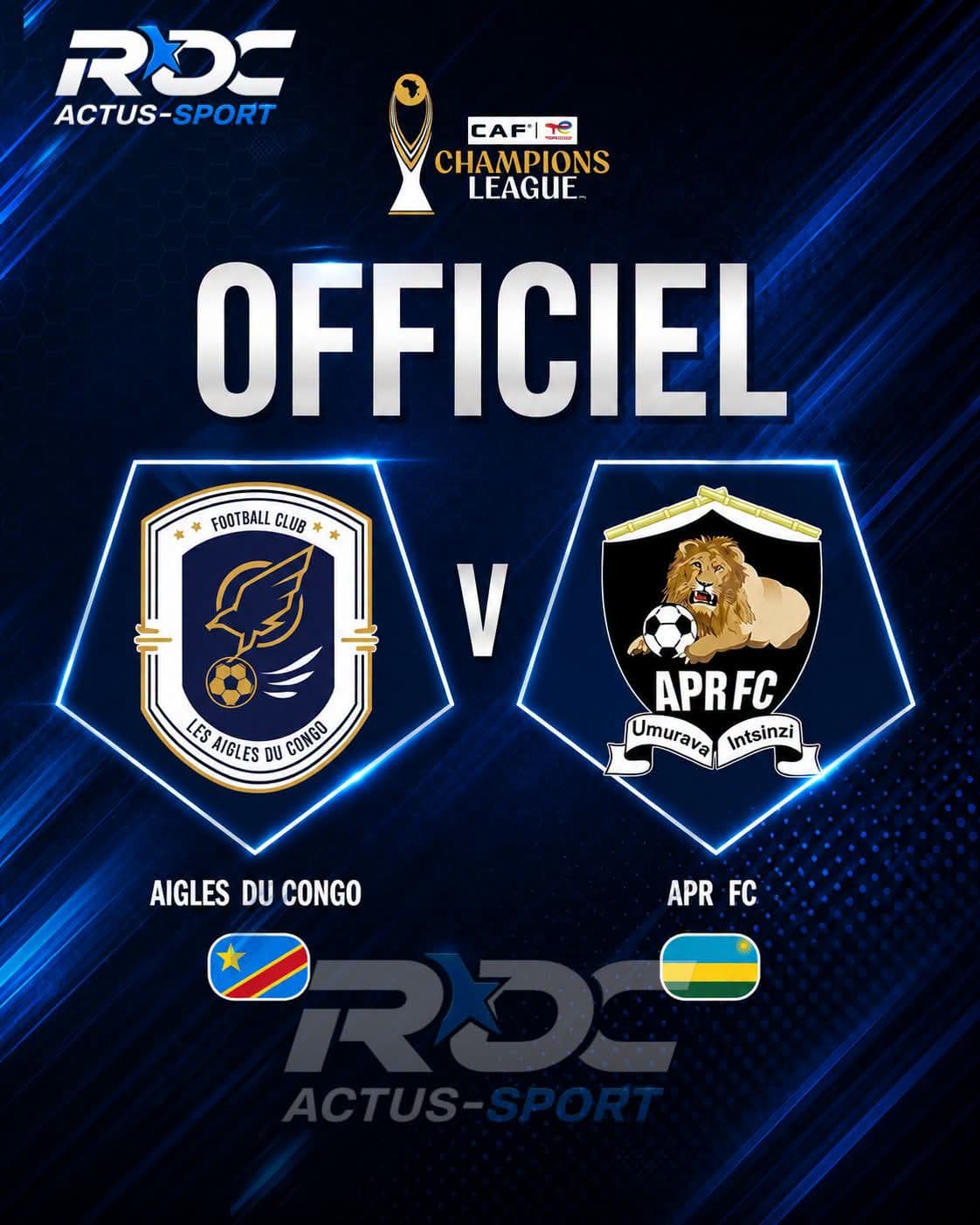
SPORT: The Rwandan Football Federation has filed a request with CAF over the tie between APR FC and Les Aigles du Congo
The Rwandan Football Federation’s reasons
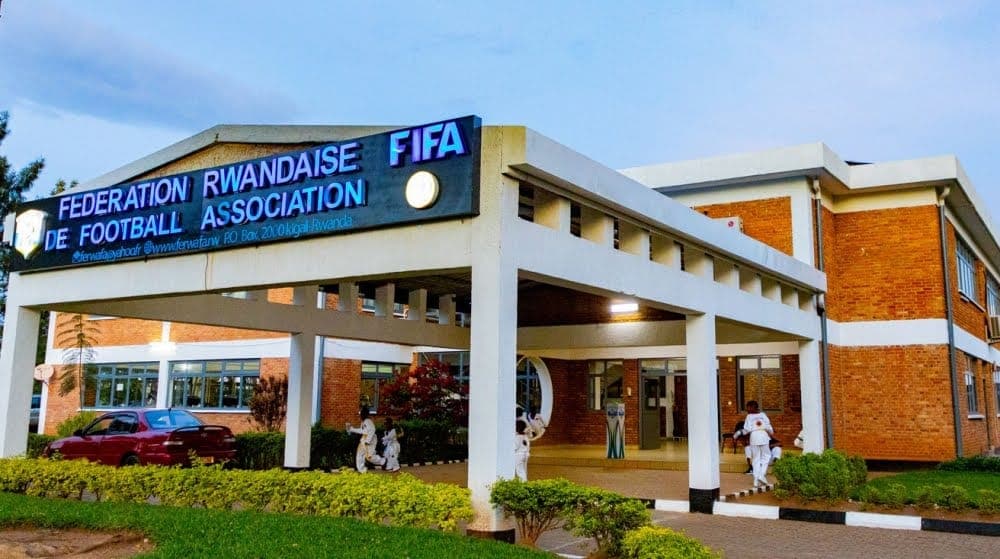
The draw for the preliminary rounds of the CAF Champions League (2026–2027 edition) produced a high-risk tie between FC Les Aigles du Congo and Armée Patriotique Rwandaise Football Club (APR FC). But as the two-legged confrontation scheduled for early September approaches, the controversy is growing. By refusing to travel to Kinshasa and by petitioning the Confederation of African Football (CAF) to move the fixture, the management of APR FC and the Rwandan Football Federation have provoked strong reactions.
Yet beyond sporting passions and knee-jerk responses, it is crucial to examine coolly the arguments advanced by Kigali. Far from being mere tactical manoeuvres, the Rwandan Federation’s position rests on objective and legitimate concerns: on one hand the health situation linked to the Ebola virus in the DRC, and on the other a security climate poisoned by an anti-Rwandan hate campaign actively encouraged by the Congolese authorities.
Legitimate caution in the face of Ebola
The first strand of the Rwandan request concerns public health, specifically the resurgence of alerts linked to the Ebola virus in certain regions of the Democratic Republic of the Congo. Although the capital, Kinshasa, is geographically distant from the initial epidemiological clusters, managing health crises of this magnitude traditionally calls for drastic precautionary measures at international level.
For a sporting delegation, exposing itself to travel in a country affected by Ebola alerts — in a context where control infrastructure and population movement can heighten uncertainty — is a risk the Rwandan Federation is entitled to want to avoid. Putting the health and physical integrity of players and staff first is a basic duty of precaution, quite apart from footballing considerations.

The security dimension of this file takes on a particular character in light of the opposing club’s identity. FC Les Aigles du Congo is run by Vidiye Tshimanga, an influential figure on the Congolese political scene and a former special adviser to President Félix Tshisekedi on strategic matters.
This proximity to the summit of the Congolese state crystallises Kigali’s fears. In a context where diplomatic relations are execrable, the fact that the host club is intrinsically tied to the presidential camp and to the government’s current political strategy reinforces the Rwandan delegation’s sense of vulnerability.
The Rwandan Federation is pointing here to an indisputable reality: the presence of a pervasive anti-Rwandan hate discourse, carried and normalised by the Congolese authorities themselves. By regularly making Rwanda the scapegoat for all the country’s political and security ills in official speeches and in the public media, Kinshasa’s political class has fostered a toxic climate. In such a white-hot environment, the arrival of an official club representing the Rwandan army in a Kinshasa stadium presents unacceptable risks. How can the safety of an opposing team be guaranteed when hatred of Rwandan citizens is sustained daily from the summit of the Congolese state?
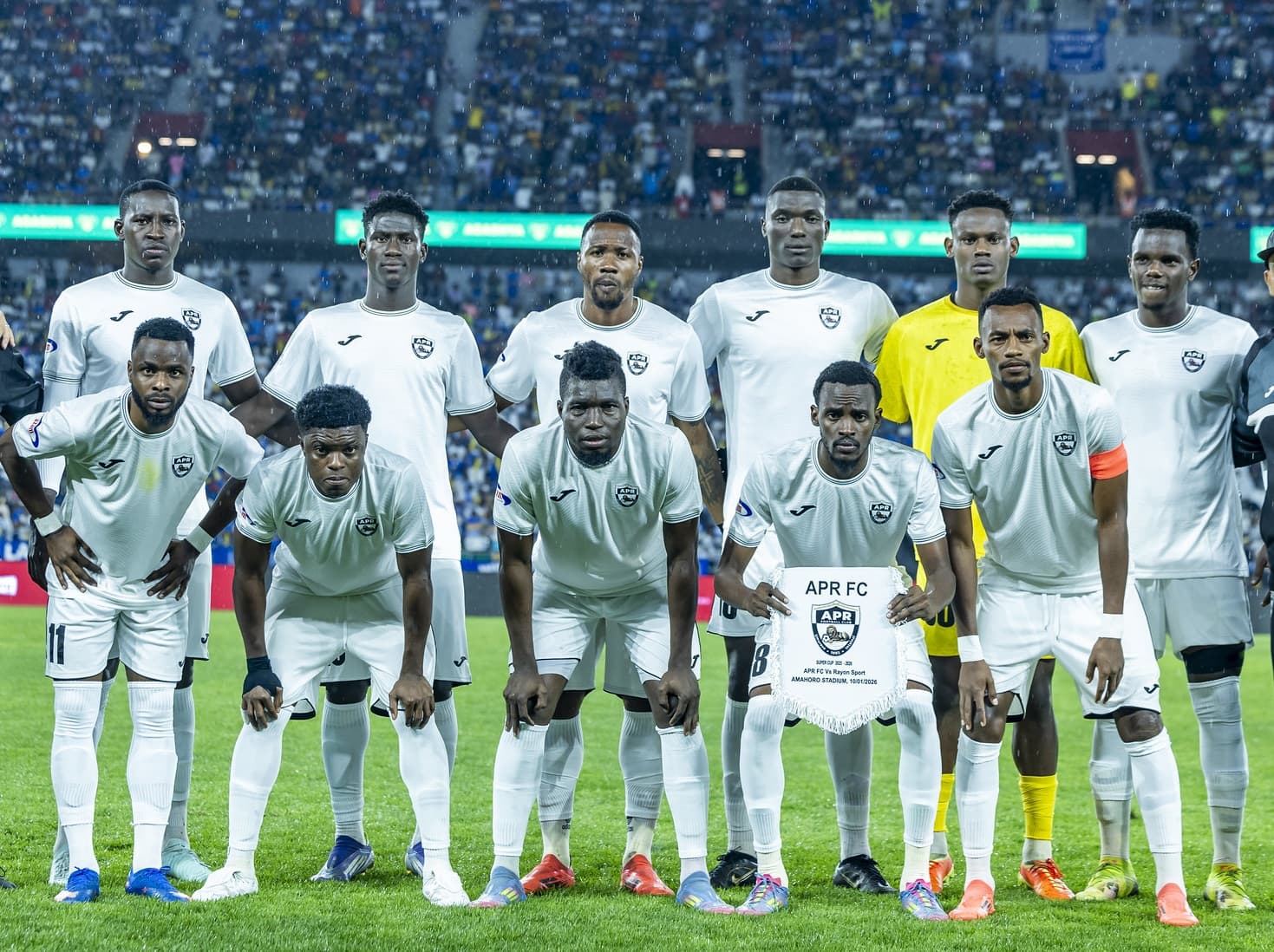
The Rwandan Football Federation’s move confronts CAF with its responsibilities. To claim that sport must absolutely ignore geopolitics is naïve when the lives and safety of athletes are directly threatened.
By raising the question of Ebola and, above all, by denouncing the climate of psychological and physical insecurity fed by official rhetoric in Kinshasa, Kigali highlights a major flaw in the organisation of regional competitions. CAF will have to rule with discernment: ignoring these legitimate alerts would amount to placing the sporting calendar above the most elementary human safety.
Comments
Join in — no account needed.
No one has replied yet. Start the conversation.